Find the right teacher
There’s a Japanese saying that I included in my book:
If it takes three years, find the right teacher.
But sometimes, you just need to get started. Simon Sarris has a great story about this. He decided to build a barn by trial and error, with little previous barn-building experience. But because he was doing this near the road in front of his house, it attracted the attention of a regular passer-by who just happened to know, in detail, how to build barns.
“Mike would have never stopped by if I was not working conspicuously in my driveway, every day, under a pop-up tent. But I was, and he became interested in my progress, and it happens that he has been timber framing since the 90’s. Had I waited for such a teacher—for he has now taught me a good deal—I would have never found him. But I chose to start, and he was drawn to my adventure. Only by virtue of starting the work was the intersection of our lives possible.” - Start With Creation - by Simon Sarris
The moral? If it takes three years, find the right teacher. But if you start your learning journey with action, the right teacher might just find you.
So now here’s a question: Who was the right teacher for you, and how did you find them, or alternatively how did they find you?
(And yes, I have a story about a teacher who found me, but that’s a story for another time.)
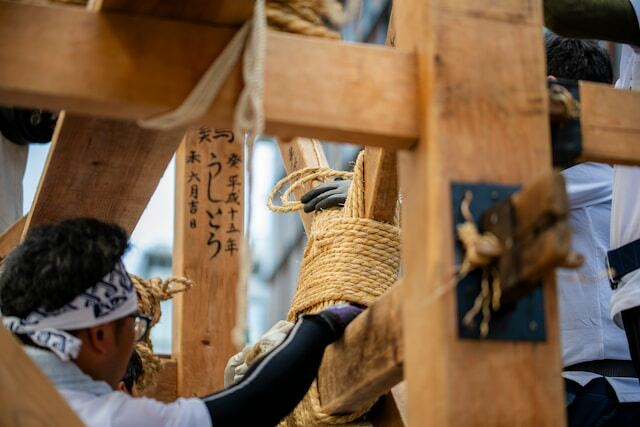
Photo by Kazuhiro Yoshimura on Unsplash
Meanwhile, my book, Shu Ha Ri: The Japanese Way of Learning, for Artists and Fighters, is out now. Please check it out.
Discovery, aesthetics, and the art of self-publishing: my latest post explores Leonard Koren’s influence on my new book, Shu Ha Ri.
#WabiSabi #ShuHaRi #Japan #Aesthetics #WritingCommunity
Leonard Koren on Life as an Aesthetic Experience
I’ve never been much of a bathing person. Perhaps that’s due to unpleasantly lingering memories of luke warm water in freezing cold bathrooms in the UK when I was a child. The bath was fine enough, but getting out would be a real test. Even bathing, as an adult, in natural hot springs on Orcas Island in the US Pacific Northwest didn’t really do it for me. That was a little ‘rustic’, and not in a good way.
True, swimming here in Sydney where I live is fabulous, especially in the Summer, when the cool refreshment of the ocean waves is totally restorative. But bathing? Not so much. Until a few months ago, that is, when I visited Japan.
Every interface is an argument about how you should feel. - Phantom Obligation | Terry Godier
This is my view of writing and note-making apps, but we can change them, to feel how we want, not how someone else wants us to.
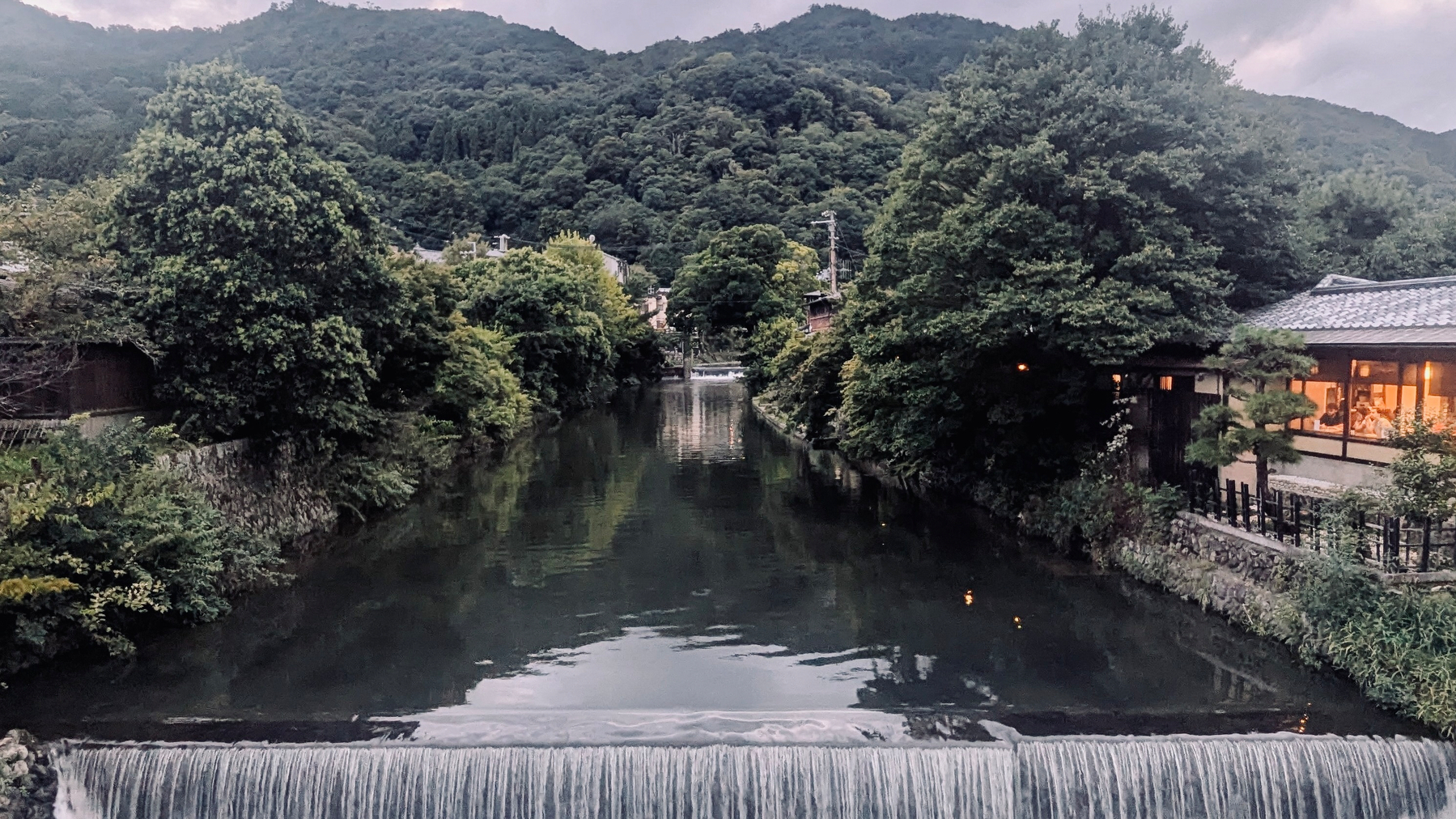
A channel of the Katsura River at Arashiyama, Kyoto.
Reviewing my photographs really makes me wish I was back in Japan.
I’m the author of Shu Ha Ri: The Japanese Way of Learning, for Artists and Fighters, available now.
#Japan #Kyoto #ShuHaRi #JapaneseCulture #JapaneseAesthetics #Photography
The Toe of the Year and the Curious Case of John Donne's Missing Commonplace Book
Last month, while my sister was moving house, she discovered a box of papers she’d never seen before. Inside was a collection of documents, decades old, that our parents must have gathered and kept from our childhood. There in a carefully wrapped pile was a sheaf of my sister’s old school reports. And next to them was a set of poems I must have written way back when I was a primary school student.
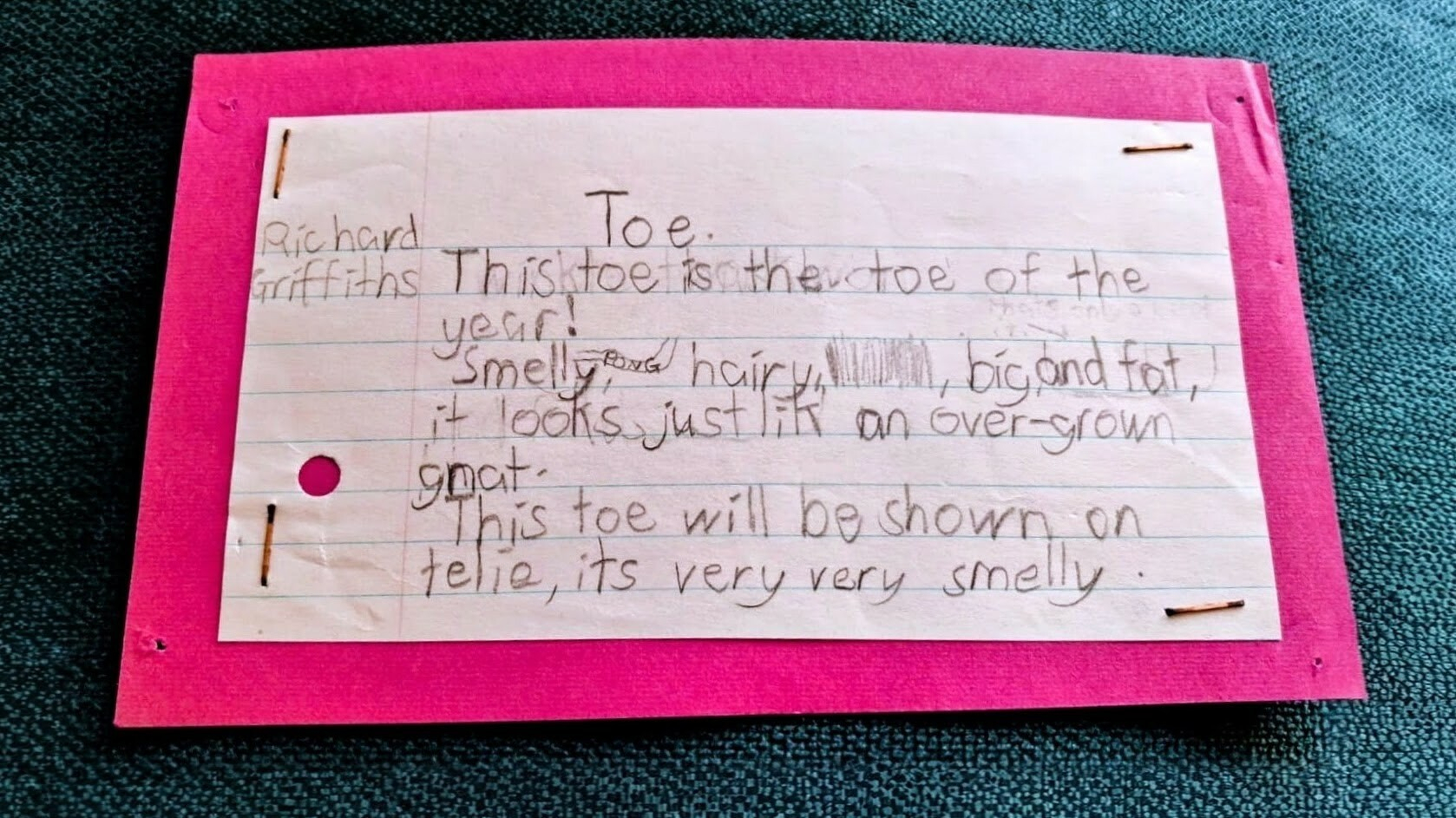
Perhaps you’ve had the experience of venturing into the attic or the basement and finding long-forgotten documents like these. But this chance rediscovery got me thinking about just how much has been lost to time.
Mostly we don’t bother archiving, and even when we do, there are later moments when we decide to spring-clean, rationalise, declutter, or tidy up.
These are all euphemisms for destroying the evidence.
Why your note-making tools don’t quite work the way you want them to - and what to do about it
Every so often I stumble upon a really clear articulation of a concept that makes sense of something I’ve been feeling but didn’t previously have a word for. I knew there was something there but I didn’t have the language to express it.
One of the most interesting articles I’ve come across recently is Artificial memory and orienting infinity by Kei Kreutler.
In this particular case the concept illuminated is the subtle, niggling tension between what I want to use my digital writing tools for and what they actually do. My writing tools, and possibly yours too, nearly do what I want, but not quite. What’s that about? Well, on reading this article, the tension became a whole lot clearer.
The Spiral of Mastery: Why the Greatest Experts Are Serial Beginners
The greatest experts aren’t afraid of starting again
Apparently, my tennis is rusty
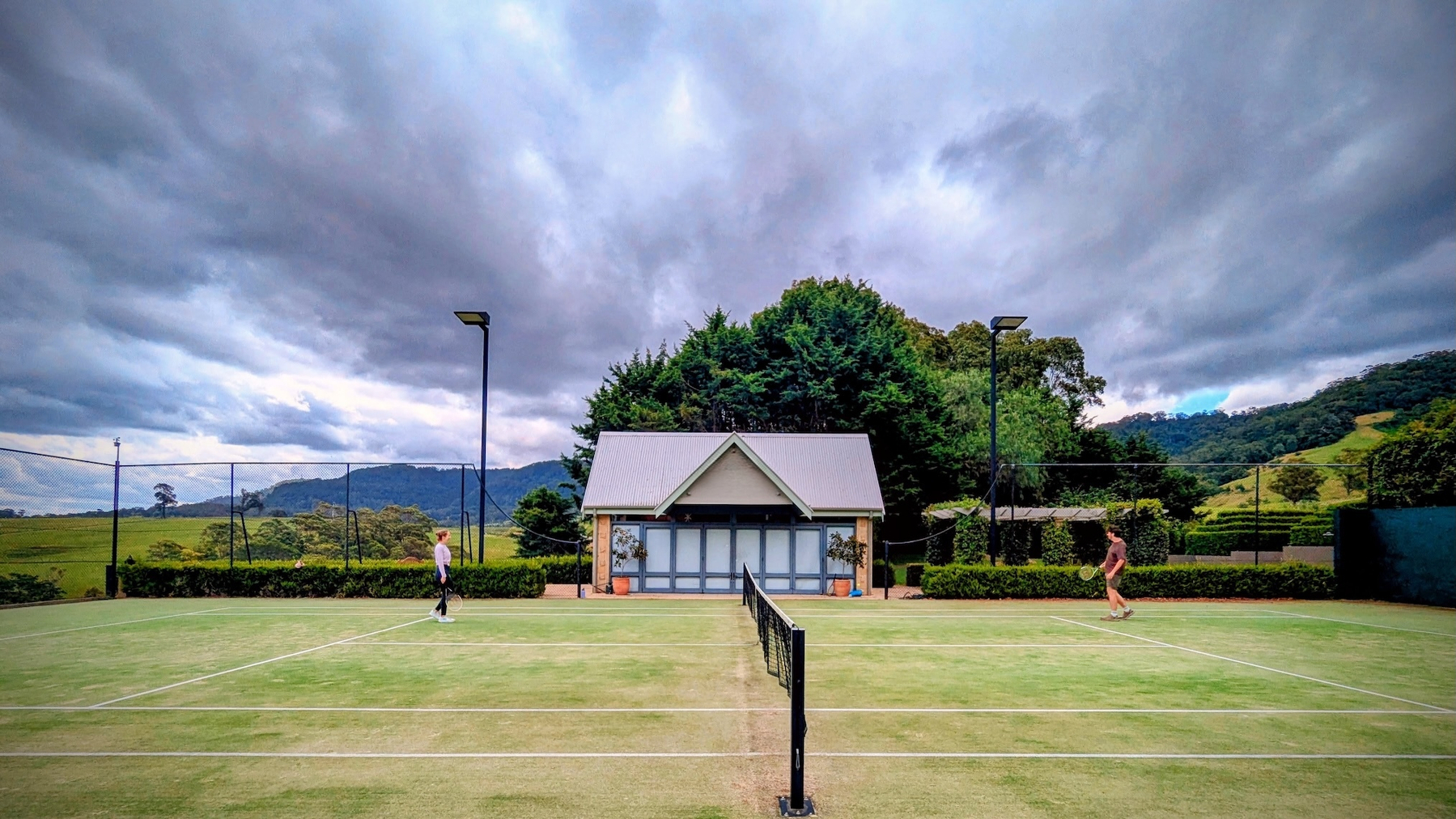
Here in Australia the Christmas holidays take place in mid-summer, and my family spent a few days at a house with a tennis court. It was an amazing opportunity, for which we were hardly prepared. I hadn’t played in years. One family member had barely held a racquet before. But we all shared the same problem: our serves were terrible. The ball hit the net, or it veered wildly off court. The serve seemed like some monolithic, unreachable skill you either had or you didn’t.
The view from the court — that was amazing, but the tennis, to say the least, wasn’t flowing.
That was until someone suggested we break it down: grip, swing, ball toss, contact. We stopped trying to play and started drilling. Within a short while, the court was alive with movement and we were laughing instead of frowning with effort. Our natural talent hadn’t changed; it was just that our willingness to break the seemingly impossible into achievable parts made it somehow seem doable. And after a short while, it actually was doable. We were delivering serves that made it over the net, that you could also imagine returning.
This experience was a reminder that expertise is hardly ever about making a single massive effort to achieve something that seems impossible. You don’t get good at tennis all at once. Playing the game well is really a whole portfolio of tiny pieces of expertise you have to master one by one and piece together smoothly before you can reach actual proficiency. And even when you get there, that’s not the end. There’s always something, some element of your play, you can improve. Is mastery a destination to reach and then enjoy forever? No. It’s more like a spiral that requires us to return to the beginning again and again of a long series of micro-skills.
2025 marked 250 years since the birth of author Jane Austen. In 2026 she still has something important to teach us: “Feel the importance of every day, and every hour as it passes”.
—-
I’m the author of Shu Ha Ri. The Japanese Way of Learning, for Artists and Fighters, available now in paperback and ebook.