The posts of 2025
I’m much better at writing new stuff than consolidating the old, but it’s time to review what’s been posted here during 2025. Short posts excluded, it’s quite a lot, considering I’m Writing Slowly.
There’s also a list of the posts of 2024 and the posts of 2023 too.
And don’t forget to check out my book, Shu Ha Ri: The Japanese Way of Learning, for Artists and Fighters.
To get the latest posts straight to your in-box, subscribe to the weekly Writing Slowly email newsletter.
Fact checking the good news
I expect 2026 to be a better year than 2025, not through some kind of magic but because millions of people like you and me are working hard to make it so. Since I posted a link to a round-up of the under-reported good news from 2025 someone said ‘some of this was definitely written with ai, so might be worth fact checking 😂’.
I was a bit disappointed, since I wanted the good news to be true, and since I have to admit this could easily make me susceptible to getting taken in by unreliable slop. Well, life’s too short to check all the facts, even if someone is wrong on the Internet (obligatory xkcd link), and that famous cartoon of the guy trying to fix it is actually an accurate drawing of me. But I thought I should at least do a quick audit. And what did this reveal?
The right kind of optimism in 2026
Happy New Year! May the next 12 months bring you peace and joy and blessing.
Here are a handful of hopeful articles to get your 2026 started on a positive note. I especially recommend the first one which I found deeply inspiring.
-
All the news the media missed in 2025 fixthenews.com (via Miraz Jordan.)
-
“The right kind of optimism is disciplined. It begins with the premise that action changes outcomes, then organizes institutions, incentives, and narratives to make that premise true.” mongabay.com.
-
The Sydney I know isn’t like what they’re showing on the news writingslowly.com.
“Bun without bu means authority withers, while bu without bun means the people remain in fear and distant.” —Fujiwara Shigenori, 1254.
Medieval Japan understood that true mastery requires balance. My latest article explores bunbu ichi and why “artists and fighters” belong together.
Read more: The unity of pen and sword: understanding bunbu ichi
#Bunbu #JapanesePhilosophy #Shuhari #SamuraiCulture #MedievalJapan #ArtAndWar #LifelongLearning #CulturalHistory #Mastery
The Unity of Pen and Sword: Understanding Bunbu Ichi
My recent book is subtitled “The Japanese Way of Learning, for Artists and Fighters”. But why artists and fighters, and why mention them together?
In medieval Japan, warriors weren’t really expected to choose between intellectual pursuits and martial prowess. Instead they were required to master both. This philosophy is captured in the concept of bunbu ichi (文武一), which literally means “the civil and the martial are one.”
I've written a book and here are the details!
Shu Ha Ri: The Japanese Way of Learning, for Artists and Fighters
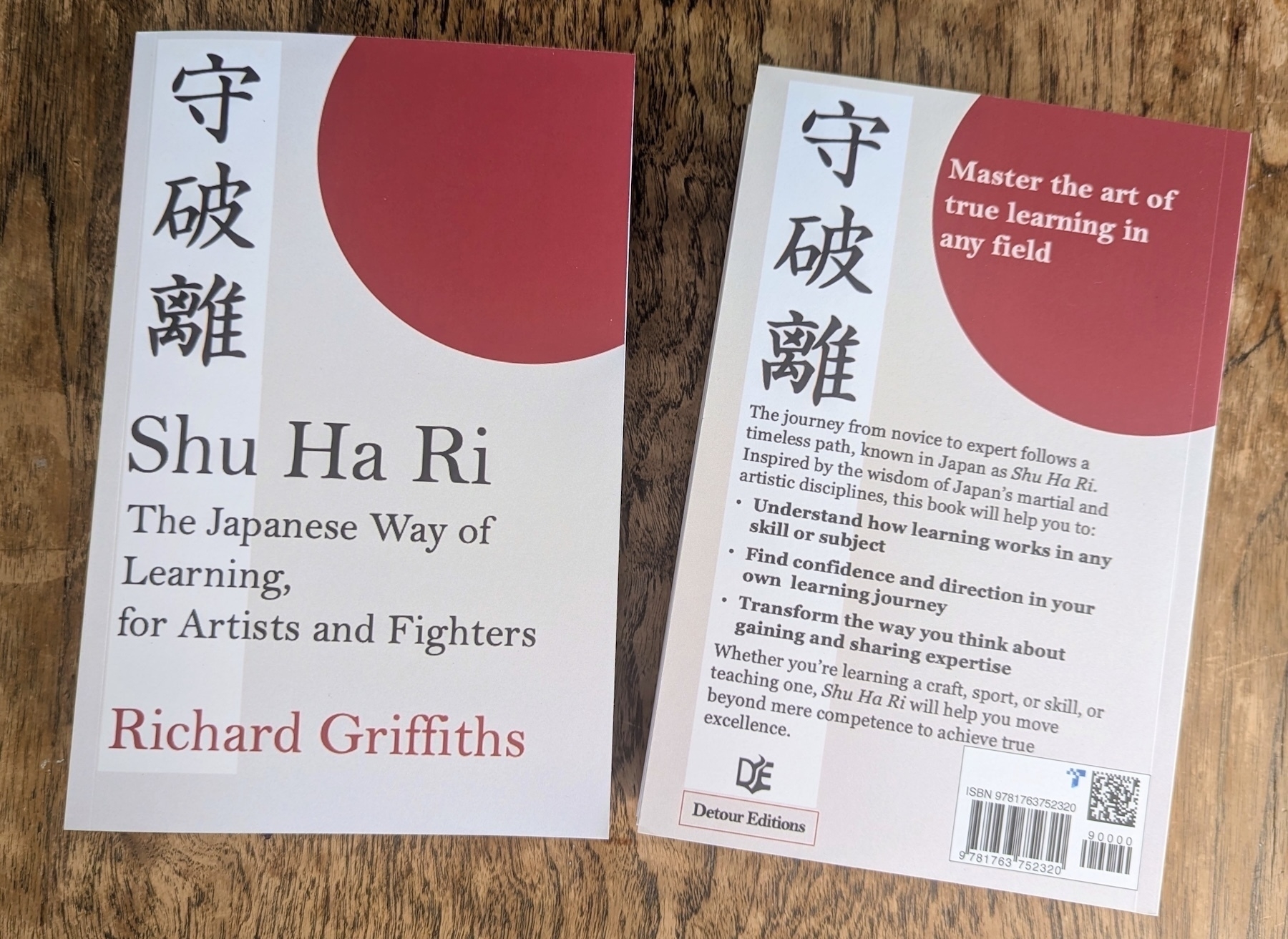
Master the art of true learning in any field
The journey from novice to expert follows a timeless path, known in Japan as Shu Ha Ri. Inspired by the wisdom of Japan’s martial and artistic disciplines, this book will help you to:
- Understand how learning works in any skill or subject
- Find confidence and direction in your own learning journey
- Transform the way you think about gaining and sharing expertise
In an era dominated by digital learning and AI, we’ve lost sight of a fundamental truth: true learning is a deeply human and social act. Technology offers resources, but it can never replace the nuanced transmission of knowledge between a committed teacher and a keen student.
Shu Ha Ri: The Japanese Way of Learning highlights the dynamic partnership between student and teacher. It demonstrates that true expertise is a continuous cycle of learning, adapting, and passing on wisdom. To learn is to connect with past generations and bravely guide the next.
Whether you’re learning a craft, sport, or skill, or teaching one, Shu Ha Ri: The Japanese Way of Learning will help you move beyond mere competence to achieve true excellence. If you’re ready for a more effective, human-centered path to mastering any skill, “Shu Ha Ri” is your essential guide.
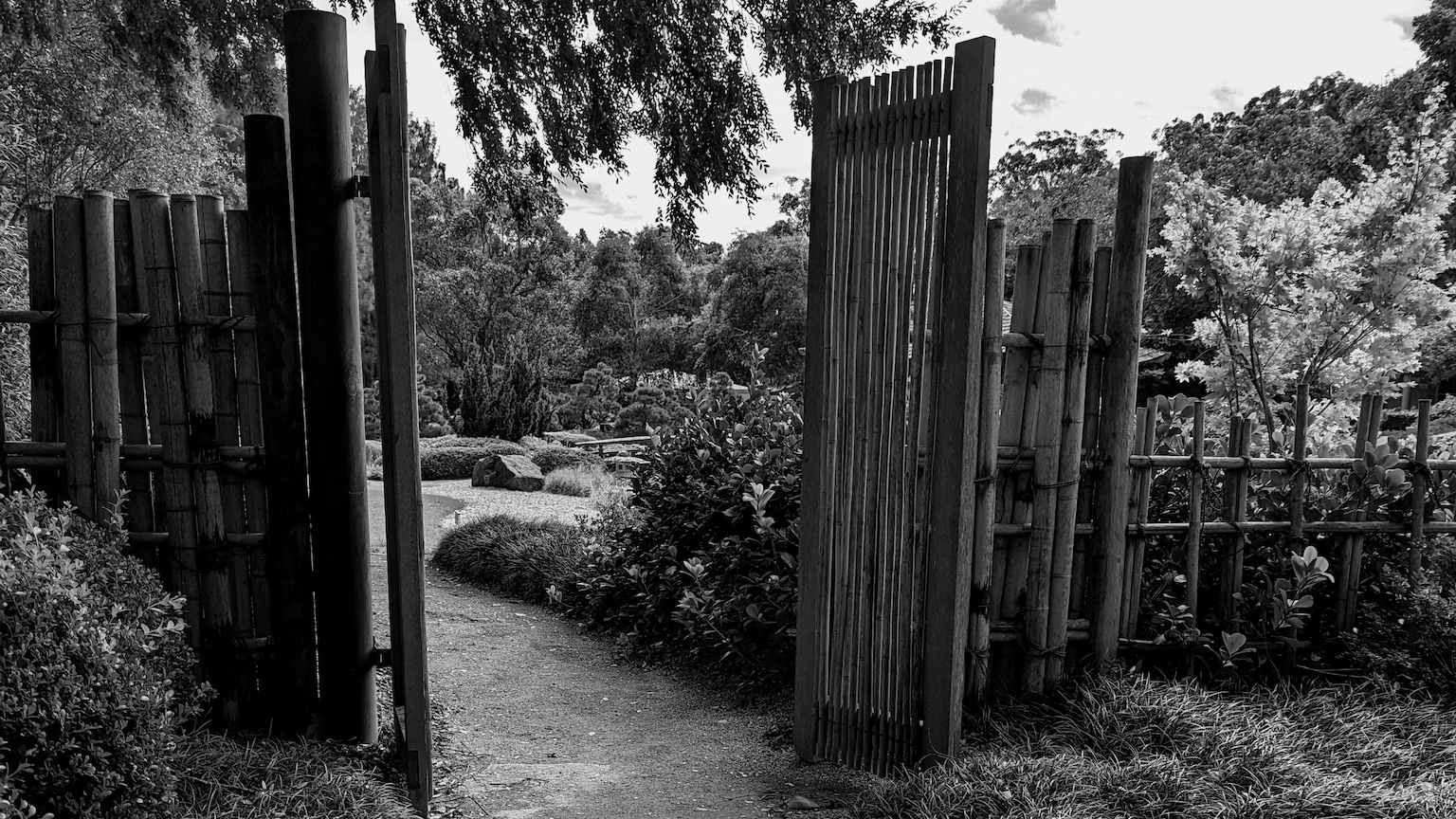
守 破 離
Shu Ha Ri, the powerful concept from the traditional Japanese arts, provides an enduring framework for understanding the distinctly human journey of learning. Although it originated in Japan, it’s a set of ideas that go beyond cultural boundaries. This deceptively simple phrase, of just three short syllables, is key to passing on knowledge from one generation to the next, yet without stifling innovation and change.
Shu Ha Ri can be translated, quite simply, as ‘hold-break-leave’, a phrase which captures the evolving stages of learning:
守
Shu (Hold): At first the students meticulously imitate their teacher, grasping the fundamentals through close observation and practice. The teacher provides essential guidance in a protective environment, ensuring that students build a solid foundation right from the start of their learning journey.
破
Ha (Break): The students begin to experiment and develop their own style. Meanwhile, the teacher encourages exploration and independent thinking, helping students move beyond their frustrations to refine their skills and discover their unique flair.
離
Ri (Leave): The students transcend the teacher’s teachings, ultimately to emerge as experts themselves. The focus shifts from copying to creating. Students are now capable of not only applying their knowledge but also contributing to the field themselves, potentially even becoming teachers to future generations.
But proficiency isn’t the end of this journey. The path of learning is far from linear. It’s a cycle. True experts return again and again to their ‘beginner’s mind,’ the root of their quest for excellence.
その道に入らんと思う心こそ我身ながらの師匠なりけれ
(Sono michi ni iran to omou kokoro koso waga mi nagara no shishō narikere)To have the mind to enter this path
is, indeed, to have an inherent teacher.
— Rikyū, Hundred Verses, 1
To read Shu Ha Ri. The Japanese Way of Learning for Artists and Fighters, simply order the book (ebook or paperback) on Amazon, wherever you live.
Here are a few links to get you started:
- United States
- Australia
- UK
- Canada
- Japan (English language edition)
There’s a growing library of articles and practical discussion about Shu Ha Ri and how to implement it in both learning and teaching.
You can also subscribe to the weekly email digest.
💬 “I’m not posting memes and ‘hot takes’. No goats were surprised by amateur divers in the making of this article. I’m trying to provide thoughtful, eccentric observations for thoughtful (not at all eccentric) readers, so context is everything.”
The Sydney I know isn’t like what they’re showing on the news
Tragically my home city has been in the international news for all the wrong reasons and we’re all feeling traumatised and shocked and heartbroken.
What about you?
You only know what you see in the media, like the photo below. So beyond the Harbour and the Opera House, perhaps you don’t know what Sydney is actually like.
I thought I’d show you a snapshot of what it’s really like where I live, on Bidjigal land, the unceded territory of the Eora Nation.

12 days of Winter Wonder Photo Challenge by Micro.blog: Dec 15 - Frost 📷

We don’t have frost here so this is the best I could do. Also, it’s not Winter in Australia. Just saying.
💬“The term “breaking the mold” is common, but without having learned anything from others, one cannot depart from or break away from anything.” - Prof. Shigeru Ushida.
#shuhari #education #lifelonglearning