The strange return of the continuous need to make sense of things
The idea of reading continuous narrative may be relatively recent. For example, the Bible is arranged in many places with a long sequential narrative, and some have seen it as ‘the greatest story ever told’. But liturgical practice, both Jewish and Christian, is to split this extended narrative up into excerpted readings (’the reading’ or ’the lesson’; ’the portion’ or parashah).
The novel, meanwhile, encourages readers to assume continuous reading is the natural way of things, even though many novels even into the 20th century were actually serialised on first publication. Here’s Robert Darnton on the significance of fragmentary reading.
“Unlike modern readers, who follow the flow of a narrative from beginning to end (unless they are digital natives and click through texts on machines), early modern Englishmen read in fits and starts and jumped from book to book. They broke texts into fragments and assembled them into new patterns by transcribing them in different sections of their notebooks. Then they reread the copies and rearranged the patterns while adding more excerpts. Reading and writing were therefore inseparable activities. They belonged to a continuous effort to make sense of things, for the world was full of signs: you could read your way through it; and by keeping an account of your readings, you made a book of your own, one stamped with your own personality. . . By selecting and arranging snippets from a limitless stock of literature, early modern Englishmen gave free play to a semi-conscious process of ordering experience. The elective affinities that bound their selection into patterns reveal an epistemology — a process of knowing — at work below the surface”
— (Robert Darnton, “Extraordinary Commonplaces,” New York Review of Books 47 (20)[December 21, 2000] 82, 86).
I note this because these days it feels like the age of fragmentary reading has well and truly returned. Every medium has cracked into splinters. Along with this fragmentation comes a revival of the need for a continuous effort to make sense of an increasingly disordered experience. As a result there’s a great need to work out new ways of knowing.
A question I asked on Hyde’s under/over:
Before we find our own voice, we usually copy our mentors or heroes. Who was the teacher or model that inspired you when you started blogging, and how did following their example eventually help you find your own style?
And here’s software engineer Alex Hyett’s excellent answer.
#indieweb #blogging
📷 🍳Sunday morning is time for shakshuka.


Currently reading: Wise Finding Purpose, Meaning and Wisdom Beyond the Midpoint of Life by Frank Tallis 📚
I’m delighted to be featured in Hyde’s intriguing series Under/Over, where bloggers are asked for their thoughts on what they find under-rated and over-rated. I have opinions on Zettelkasten, POSSE, solitude, journalling, pavlova(!) and more. Read on at lazybea.rs.
#indieweb
Currently reading: Wise. Finding Purpose, Meaning and Wisdom Beyond the Midpoint of Life by Frank Tallis 📚
One reason I write:
“We remember only a tiny fraction of existence. We have forgotten most of what it is like to be alive, long before we die. Oblivion starts seeping into our heads as soon as we are self-aware.” (p.44)
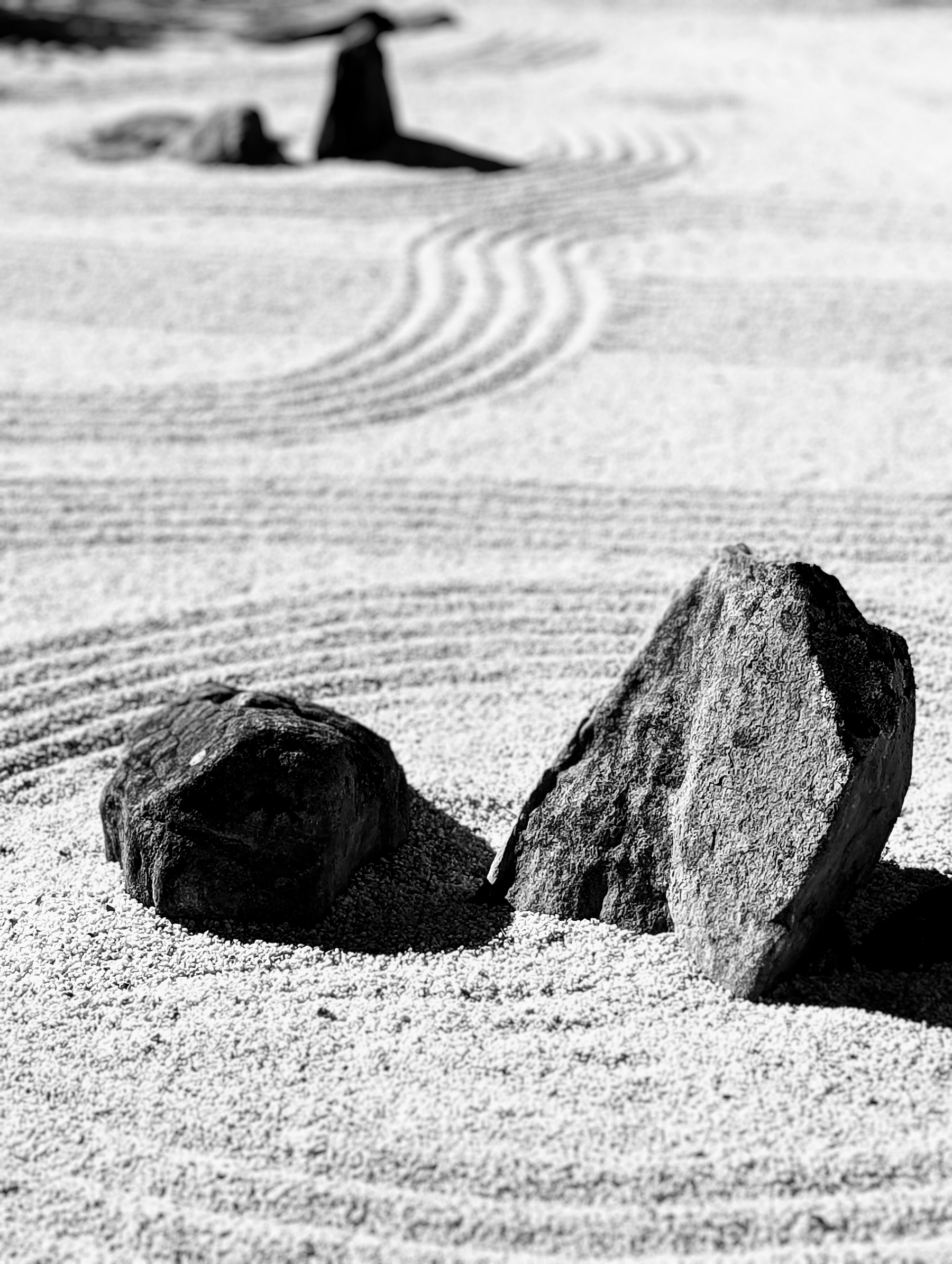
I made the twenty photographs that accompany the text of Shu Ha Ri as part of a personal learning process, inspired by David Ulrich’s Zen Camera. I was influenced by Empire of Signs by Roland Bathes. As the author said of that work, “The text does not ‘gloss’ the images, which do not ‘illustrate’ the text.” During the COVID pandemic it was impossible to travel far, but several Japanese-style gardens were within reach. The images included here are of three in particular: Himeji Garden in Adelaide, Edogawa Commemorative Garden in East Gosford, and Auburn Botanic Garden in Sydney.
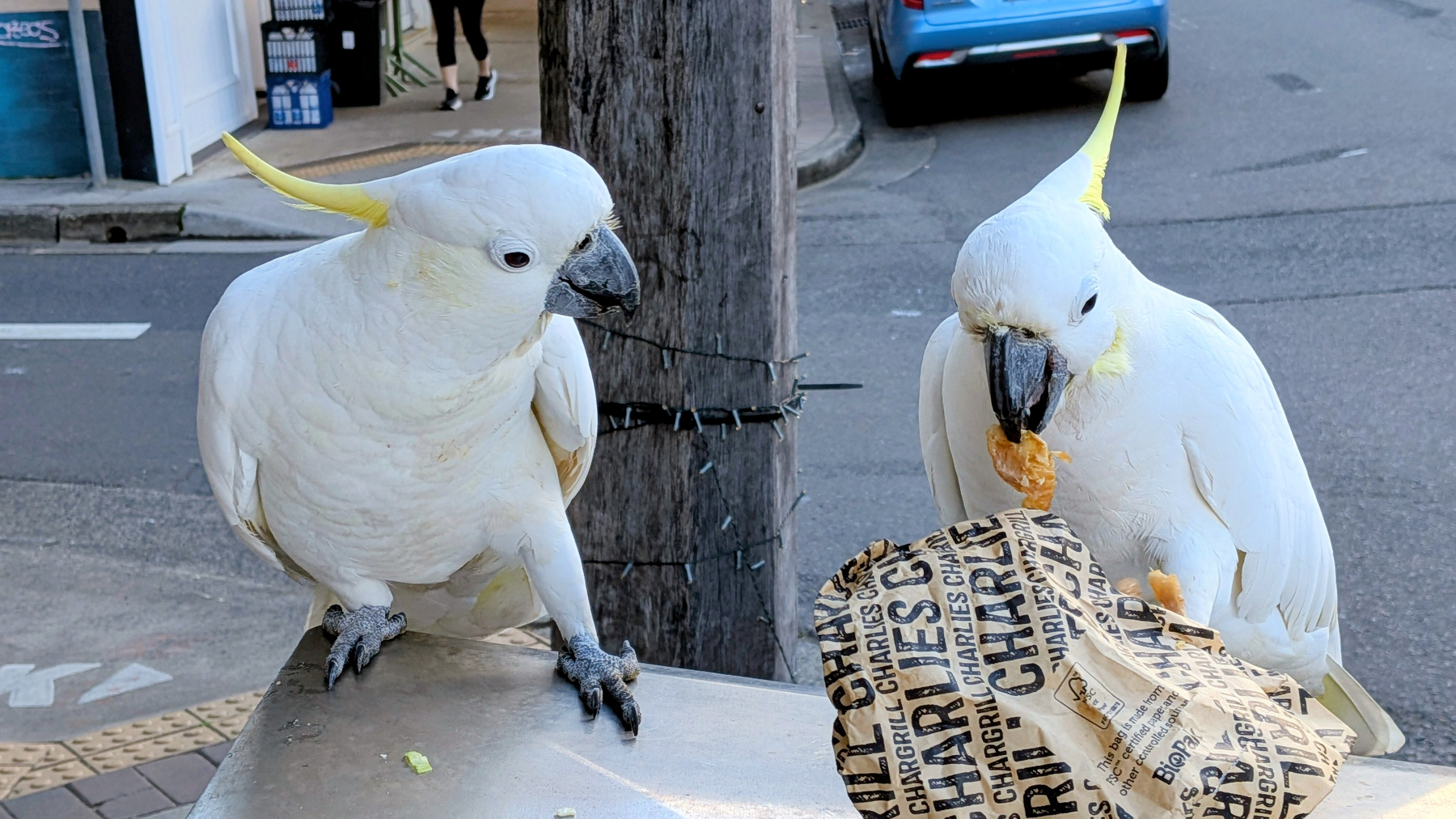
📷 A pair of cockatoos, feeding each other while scavenging.
#BirdsOfAustralia #WildlifePhotography #FeatheredFriends
The Atlantic suggests that the end of reading is here. It used to be easier to imagine the end of the world than the end of capitalism. But now its easier to imagine the end of literacy than the end of YouTube.
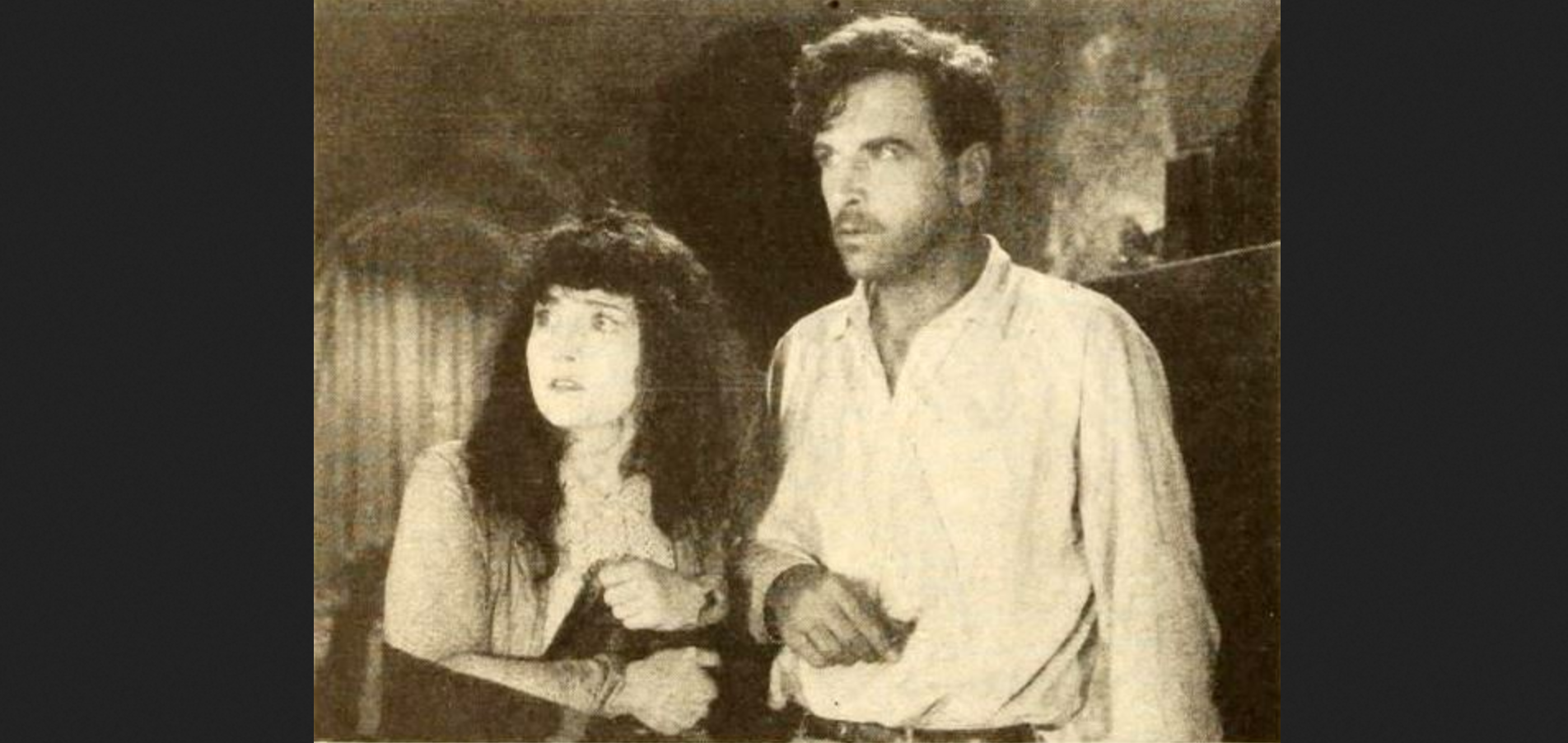
At the End of the World (1921) with Betty Compson and Milton Sills. Public domain.
_-_Compson_%26_Sills.jpg#file)