Quote

Currently reading: Wise Finding Purpose, Meaning and Wisdom Beyond the Midpoint of Life by Frank Tallis 📚
Currently reading: Wise. Finding Purpose, Meaning and Wisdom Beyond the Midpoint of Life by Frank Tallis 📚
One reason I write:
“We remember only a tiny fraction of existence. We have forgotten most of what it is like to be alive, long before we die. Oblivion starts seeping into our heads as soon as we are self-aware.” (p.44)
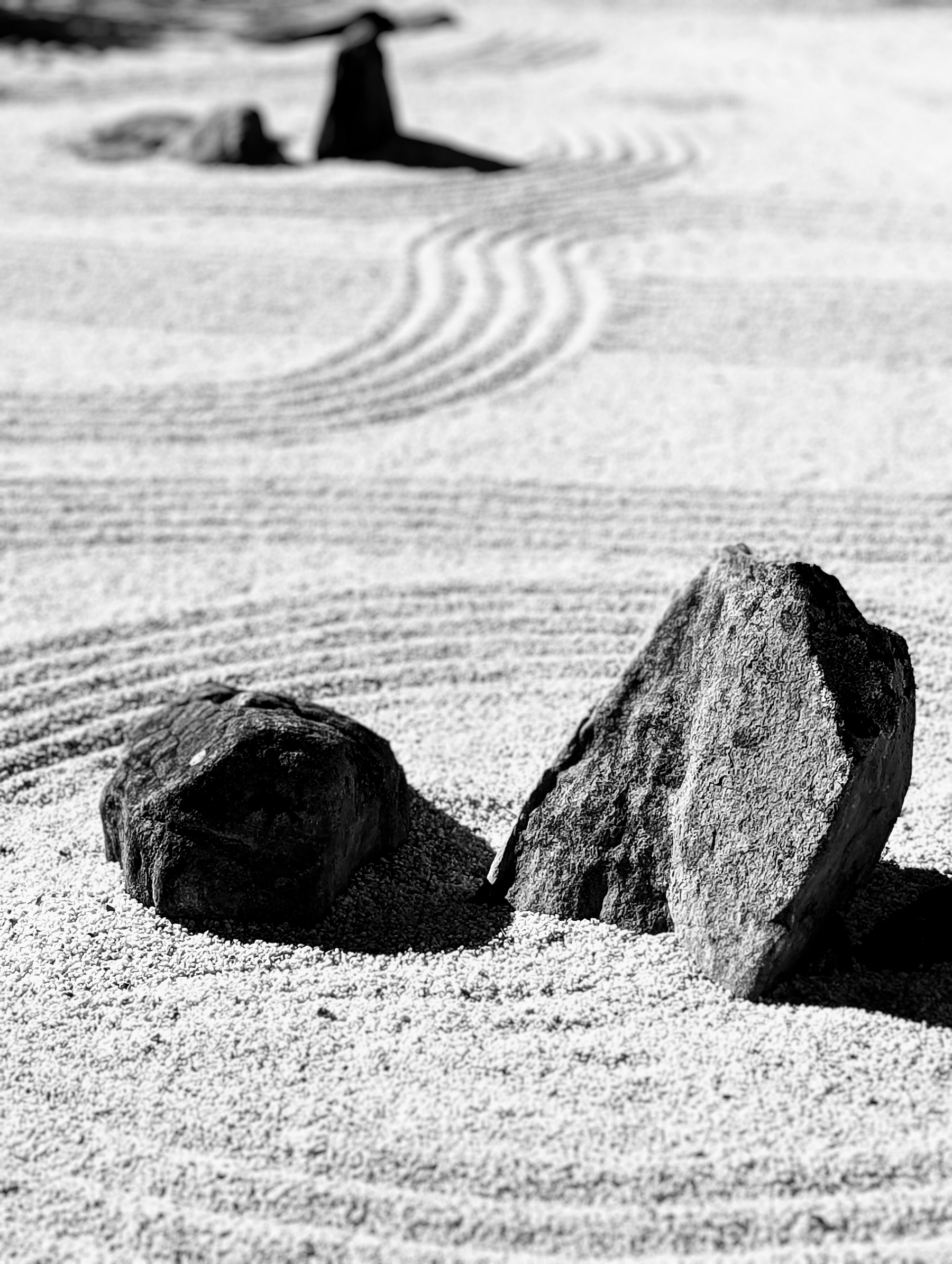
I made the twenty photographs that accompany the text of Shu Ha Ri as part of a personal learning process, inspired by David Ulrich’s Zen Camera. I was influenced by Empire of Signs by Roland Bathes. As the author said of that work, “The text does not ‘gloss’ the images, which do not ‘illustrate’ the text.” During the COVID pandemic it was impossible to travel far, but several Japanese-style gardens were within reach. The images included here are of three in particular: Himeji Garden in Adelaide, Edogawa Commemorative Garden in East Gosford, and Auburn Botanic Garden in Sydney.
Only in silence the word,
Only in dark the light,
Only in dying life:
Bright the hawk’s flight
On the empty sky. – Ursula K. LeGuin
You might care to check out the shortlist for the 2026 Ursula K. LeGuin Prize for Fiction.

Learning to tell a bright cow from a dull one
You might be wondering how anyone can grow from being an advanced learner to becoming an expert. It might seem like an impossible step to climb.
According to the traditional Japanese approach of Shu Ha Ri, a vital step in the learning process is to so absorb the rules that the student transcends them. The rules and conventions become second nature. But what does that look like in practice?
Here’s a great example from the world of veterinary medicine, where veterinary students were trained to identify whether an animal is bright (i.e healthy) or dull (i.e. sickening):
“Eventually, the students get good enough at evaluating bright vs. dull. What’s interesting is that, by then, they’ve lost the rules. What was once effortful and algorithmic is now perceptual and automatic. They can see things you and I do not.” – Oddly-Influenced

I’m the author of Shu Ha Ri: The Japanese Way of Learning, for Artists and Fighters, available now.
And if you found this article interesting you might like to sign up to the Writing Slowly weekly email digest. You’ll receive all the week’s posts in a handy email format which you might prefer. But this site does of course have an RSS feed.
Odysseus: A name that spells trouble
Since we’re currently lost somewhere in the middle of wars that seemingly have no end-point, and arguably no point, I wonder just what film director Christopher Nolan will make of The Odyssey, his blockbuster movie of which comes out mid-2026.
After I watched another recent movie version of the story, The Return, I found out about the work of psychologist Jonathan Shay with Vietnem veterans. He wrote two books linking the works of Homer – The Iliad and The Odyssey – with the modern experience of warfare and with the travails of homecoming.
Two quotes from Jonathan Shay’s work stood out particularly. First, this one about war-induced PTSD:
The ascended Christ of this mural at St. Vitus’s Cathedral in Prague seems so happy I couldn’t help but think of the song by The Postal Service:
They will see us waving from such great heights
Come down now, they’ll say
But everything looks perfect from far away
Come down now, but we’ll stay.

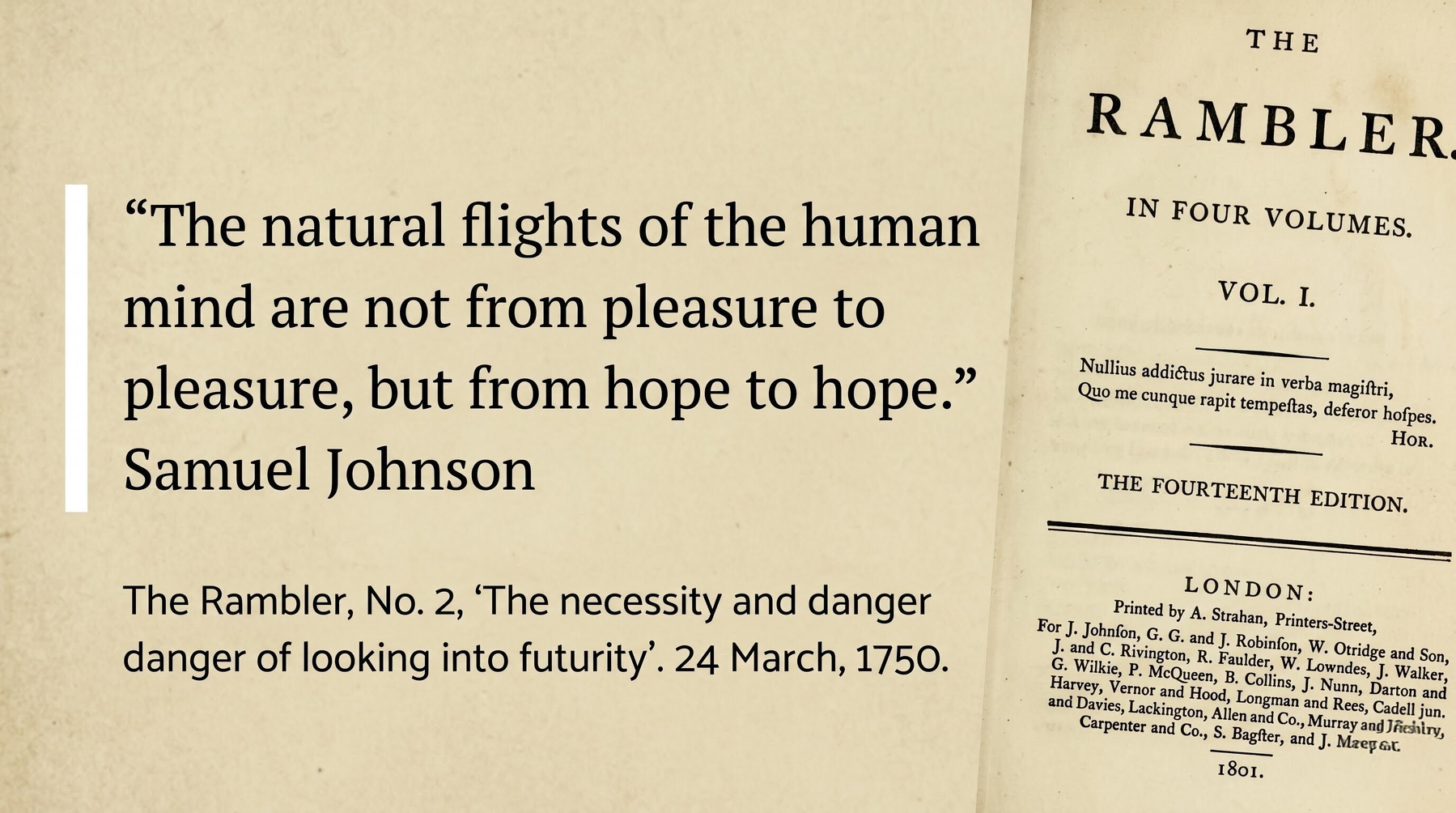
”A student’s understanding of particular subjects forms in collaboration with teachers, peers and the daily friction of being one mind among many.” – W. Ian O’Byrne
A thoughtful article on the messy process that helps kids learn.
💬 ”Roughly speaking, the world is divided into two classes: those who use the Card Index System and those who do not.”
Byles, R. B, 1911. The card index system; its principles, uses, operation, and component parts (London: Sir Isaac Pitman & Sons), page v.
Still true after more than a century!

#Zettelkasten
#NoteTaking
#PKM