Atomic Notes
Sinister Zettelkasten?
The 2025 Sydney Film Festival program features Jodie Foster’s new film, “Vie privée,” accompanied by a marketing image that evokes mystery with index card boxes in the background.
“You only come to know these things in hindsight – when you look back and see the precarious chain of events, happenstance, and good fortune that led to wherever you are now. Before you reach that point, you have no way of predicting which idea will make a difference and which will die on the vine. That’s why you record them all. No matter how random, how small, how half-baked, how unfinished it may be; if you have a thought, record it right away.” ― Antony Johnston, The Organised Writer.
I found a way to create order from my jumbled ideas
A discussion of the SOLO taxonomy model of learning, which emphasizes the progression from disorganized ideas to structured knowledge through atomic notes and meaningful connections.
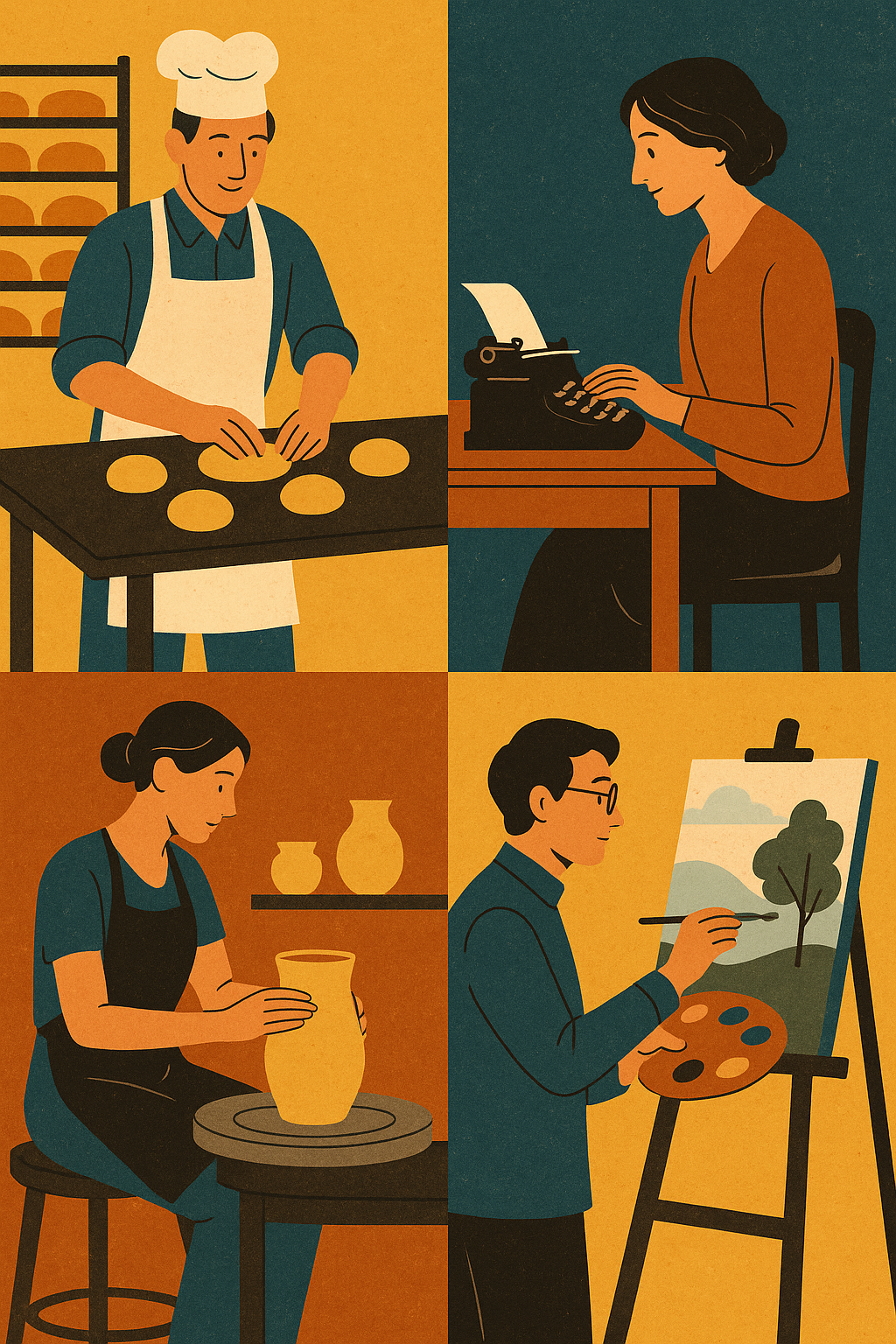
“It is surprising how much one can produce in a year, whether of buns or books or pots or pictures, if one works hard and professionally for three and a half hours every day for 330 days. That was why, despite her disabilities, Virginia was able to produce so very much."—Leonard Woolf. Source.
My take: Choose your own race and finish it. The image is an example of how AI already looks unfashionable.
From tiny drops of writing, great rivers will flow
A river is made of water droplets. Breaking large writing projects into smaller parts makes the task more manageable and less daunting. Who knew?
Have you ever read a book by mistake?
Confession time: a mistaken identity led to the discovery of Cynthia Ozick’s novel The Messiah of Stockholm, which I enjoyed despite initially confusing it with a work by Ruth Ozeki.
Writing notes is much more than just writing notes. Done right, it’s a way of working with ideas:
I’m organising my notes right now and stumbled over this quote:
You’re not building a note-taking system, but rather a way to capture, explore, and generate ideas. by Jorge Arango on page 181 Duly Noted
The future of the humanities is wide open
The humanities within universities are facing decline and financial prioritization, yet interest in liberal arts thrives outside academic institutions.
To understand the future of AI, look to the past
The hype about AI isn’t new. In his day, Victor Hugo was breathless about the book.
Why not publish all your notes online?
Contemplating whether to publish personal notes online reveals both the potential benefits of motivation and community engagement and the drawbacks of self-doubt and privacy concerns.