Atomic Notes
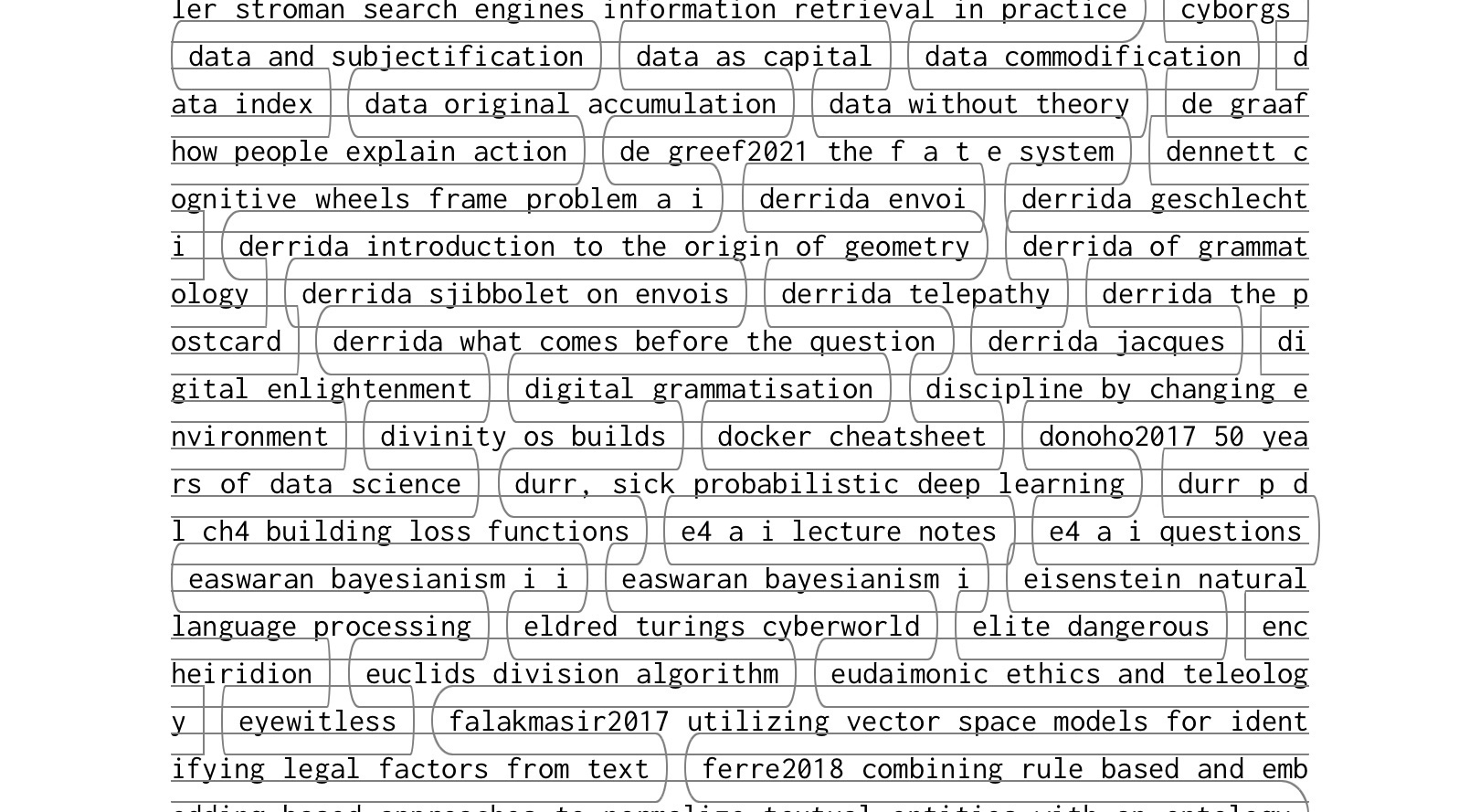
In his intriguing Zettelkasten, machine learning engineer Edwin Wenink has made 899 of his private notes public edwinwenink.xyz.
These notes are a constant work in progress and not necessarily intended for your reading. Nevertheless, I submit them to your “voyeurism.”
(HT: Annie)
And previously, Andy Matuschak has recommended working with the garage door up.
But where’s the limit?
Some say that due to AI, “the vast majority of human beauty that will exist has already been created”. I’m pointing out the opposite:
It’s a great time to be writing the future.
Why? Well, by nature humans innovate. Humans equipped with AI?
They just innovate harder.
Legendary computer game Myst started life as an interconnected network of cards in the equally legendary app HyperCard. To be precise, 1,355 cards in 6 HyperCard stacks.
Now, through graph analysis the last secrets of that network are finally being ‘deMystified’.
An interesting Zettelkasten discussion.
malikalimoekhamedov.substack.com/p/bob-dot…
See also: my review of A System for Writing.
Five solutions to link rot in my personal note collection
Link rot on the Web poses significant challenges, which have prompted me to consider various strategies for preserving information, including summarizing sources, using archives, creating personal archives, accepting impermanence, and sharing knowledge.
Tame the chaos with just four folders for all your notes
Bob Doto’s A System for Writing recommends a structured Zettelkasten (note box) using four folders: In-box, Sleeping, References, and Main. With just these four you can manage your notes effectively and enhance the writing process.
💬 This is a quiet space…
Moving to Sydney offered cheap train travel compared with Europe. “Never mind arriving,” I would say, “it’s great value just for the view.”
Looks like they’ve finally worked out the real value proposition.

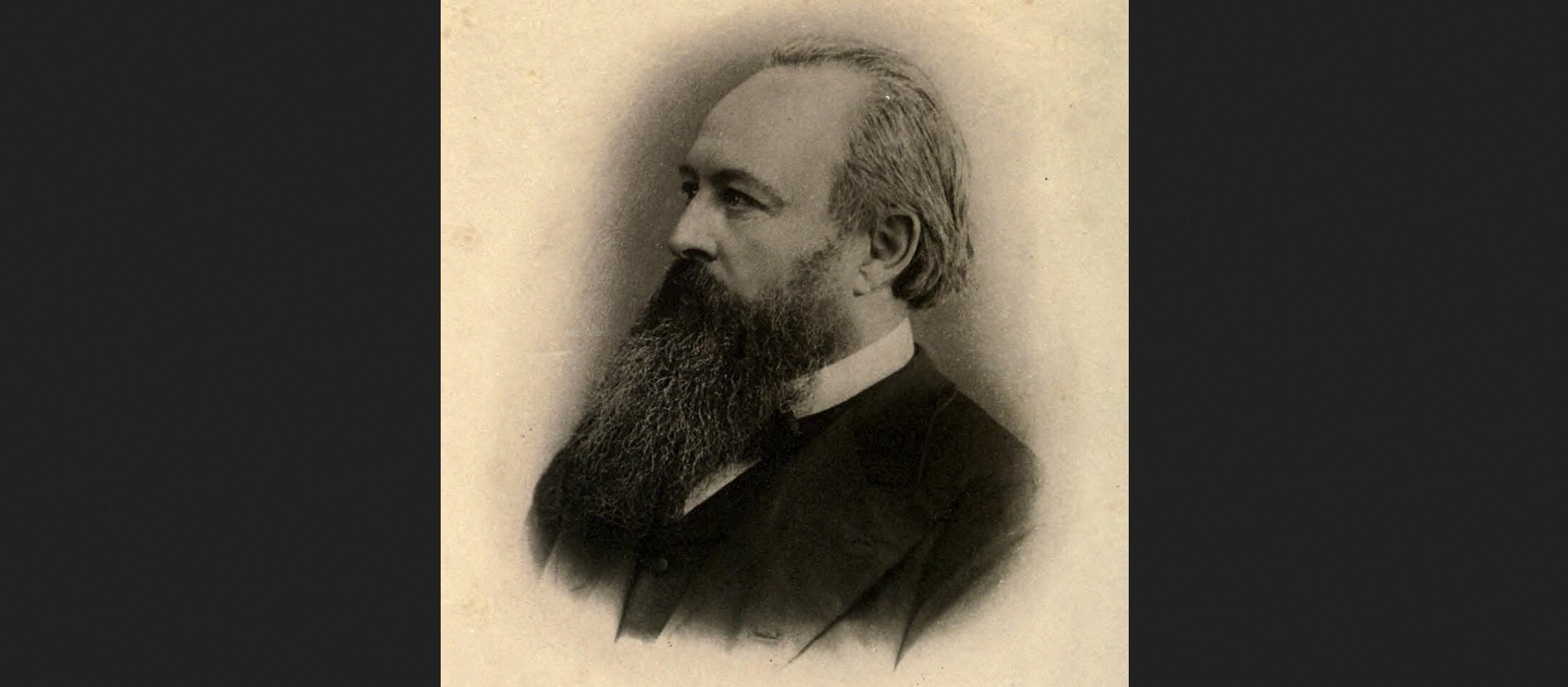
Lord Acton took too many notes, but that doesn't mean you have to
Excessive note-taking can hinder productivity and completion of work, as illustrated by Lord Acton’s struggle to publish significant historical writings despite his vast knowledge. Oh, those Victorians.
The Dance of Joyful Knowledge: Inside Georges Didi-Huberman's Monumental Note Archive
Georges Didi-Huberman’s extensive collection of over 148,000 notes exemplifies the enduring relevance and creativity of the Zettelkasten method in art and philosophy.