books
-
but don’t take my word for it, what do I know? Read the book and the close reading archive. ↩︎
I designed a book in three and a half hours
A while ago, well, quite a long while ago, I designed a book in three and a half hours. Fun, yes, but it wasn’t very publishable.
Now, years later, I’ve finally got round to updating and redesigning the whole thing.
Yes, I’m still writing slowly but I’m excited to say it will soon be available for sale - so watch this space for more information.
Worth repeating and re-repeating:
“the evidence shows that regularising migration is a positive-sum game, in economic, social and security terms.”
A definitive study of a hotly debated phenomenon: migration into Europe and America, its socioeconomic impacts, and the eternal policy efforts to stop the inevitable.
#migration
A search for meaning in the palace of lost memories: Thoughts on Piranesi, a novel by Susanna Clarke
Susanna Clarke’s novel Piranesi has got me thinking about memory, identity, the fallibility of writing, and the paradox that intrinsic value might be created rather than found
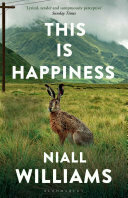
Finished reading: This Is Happiness by Niall Williams 📚
A shaggy dog story in the best possible sense. I re-read several passages to try to work out how the author achieved his almost magical prose. Friends who read it said they felt not much happened. I felt not much happened, miraculously.
Daniel Wisser’s notecards as art and archive
Daniel Wisser’s exhibition in Vienna features 60 index cards with sketches of stories displayed in a note box (Zettelkasten).
Have you ever read a book by mistake?
Confession time: a mistaken identity led to the discovery of Cynthia Ozick’s novel The Messiah of Stockholm, which I enjoyed despite initially confusing it with a work by Ruth Ozeki.
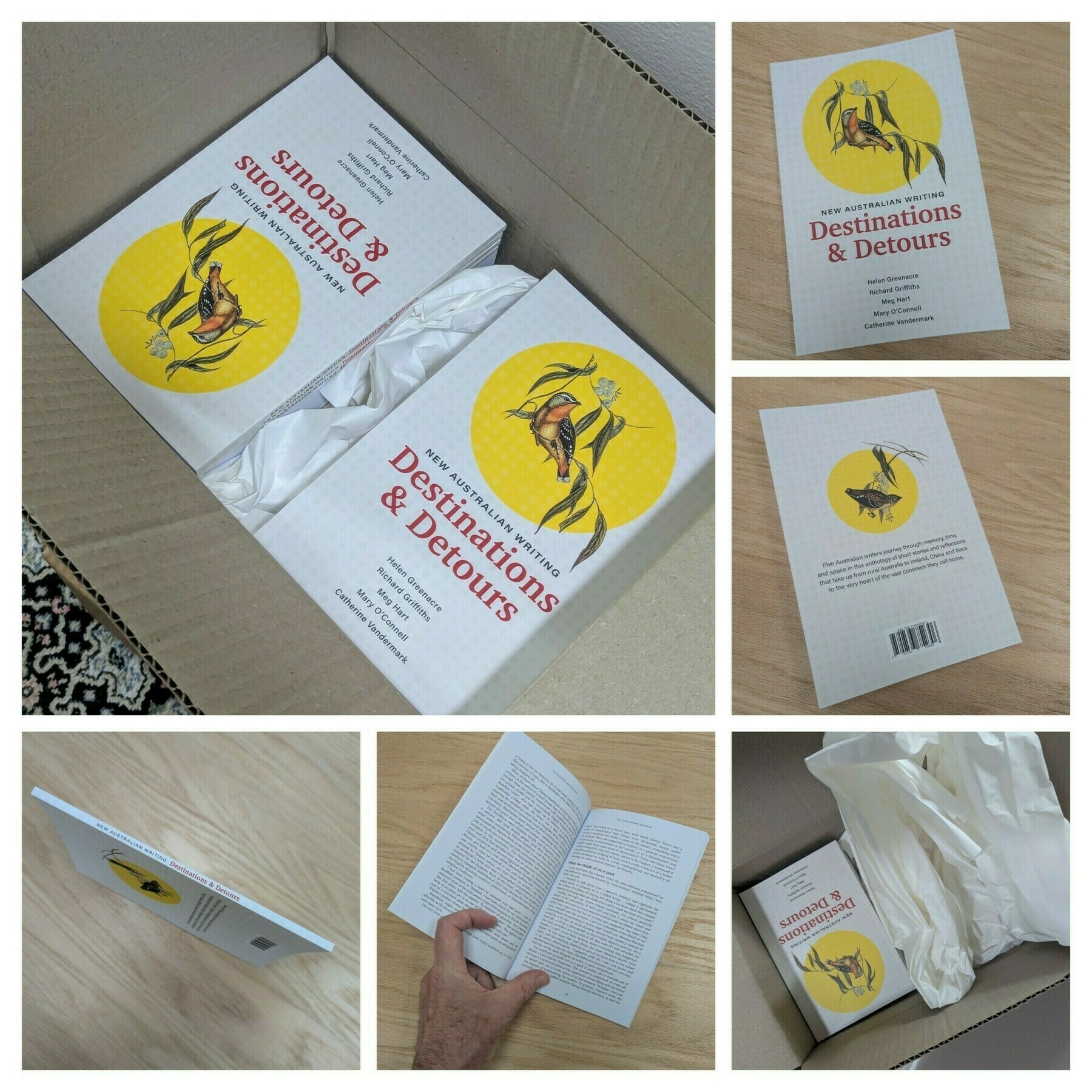
Well the book arrived this morning. Now I really am publishing slowly!
Publishing slowly
I’m writing so slowly that you might be wondering if I’m ever going to get anything published.
Well wonder no more. I’m happy to say extracts of my memoir, ‘The Green Island Notebook’ are published in the anthology Destinations & Detours: New Australian Writing.
Published by Detour Editions, the collection launches here in Sydney on Sunday 2nd March 2025, and if you happen to be in the vicinity, I’d be delighted to meet you in person.
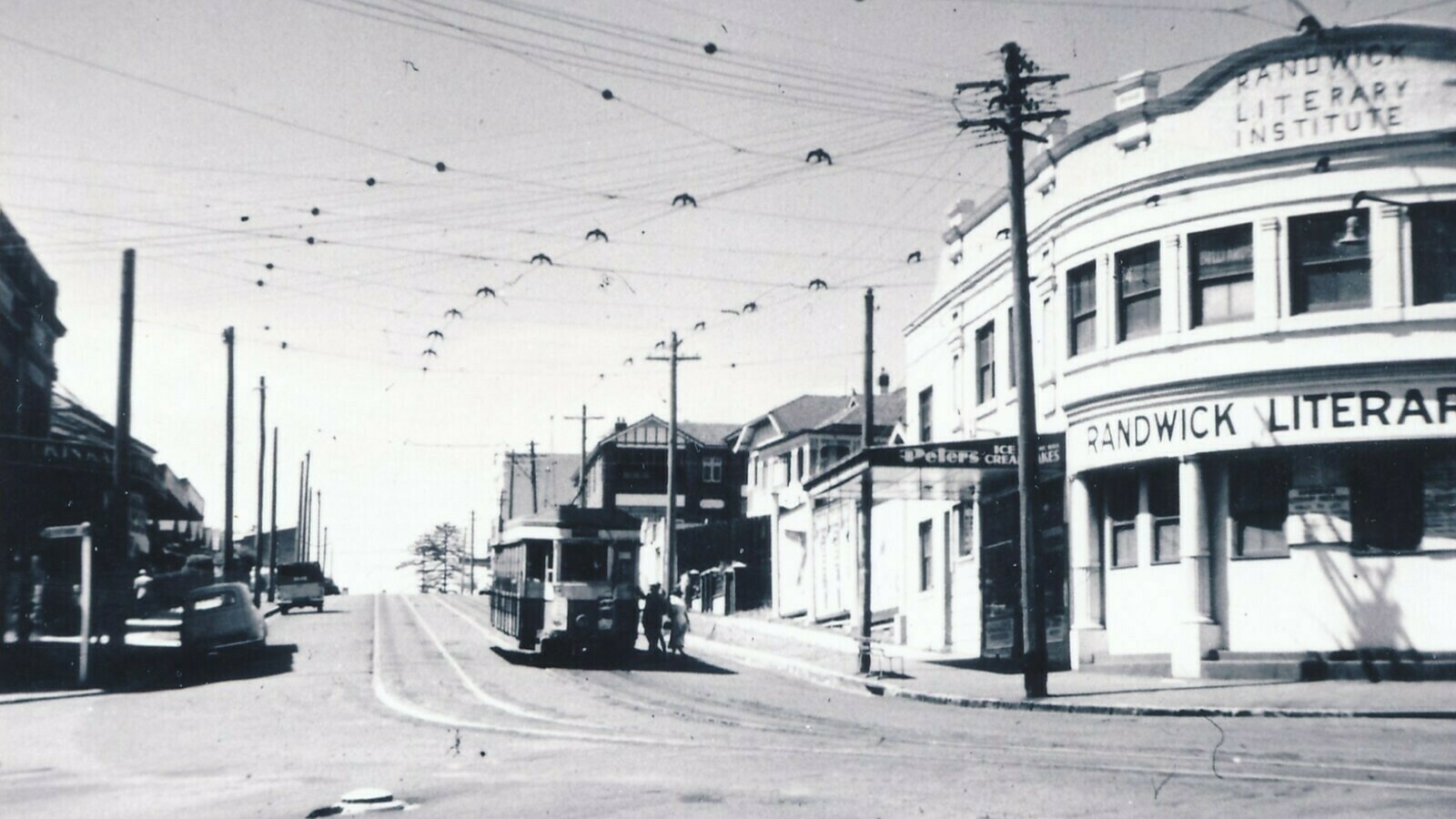
Book Launch 2pm, Sunday 2nd March, at Randwick Literary Institute, 60 Clovelly Road, Randwick NSW
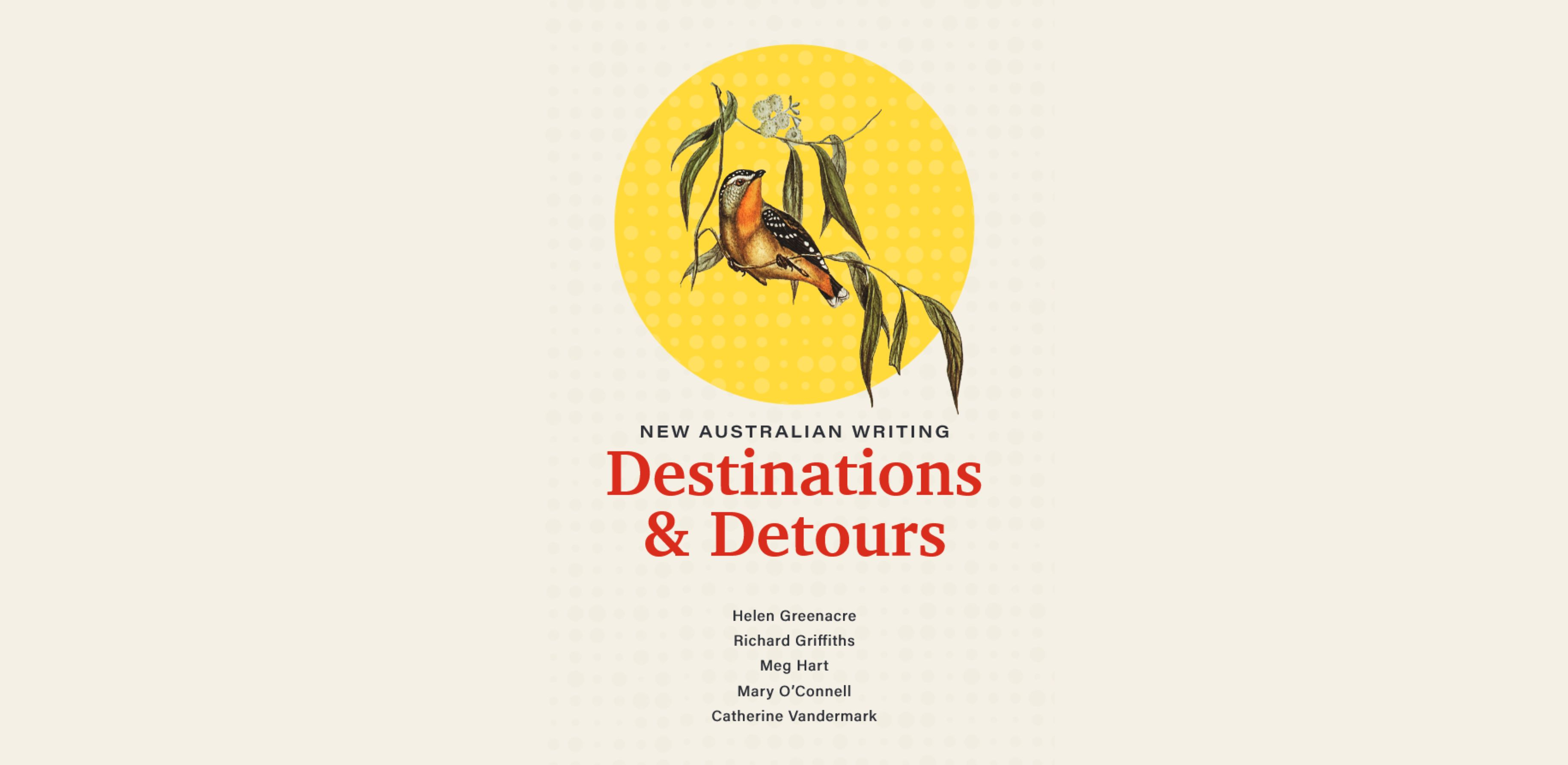
Watch out too for news of how you can get your hands on a copy, wherever in the world you find yourself.
And this isn’t the only news on the publishing front. I’ll be sharing details of some further publishing adventures very soon.
But don’t worry, whatever happens, I’ll still be writing slowly.
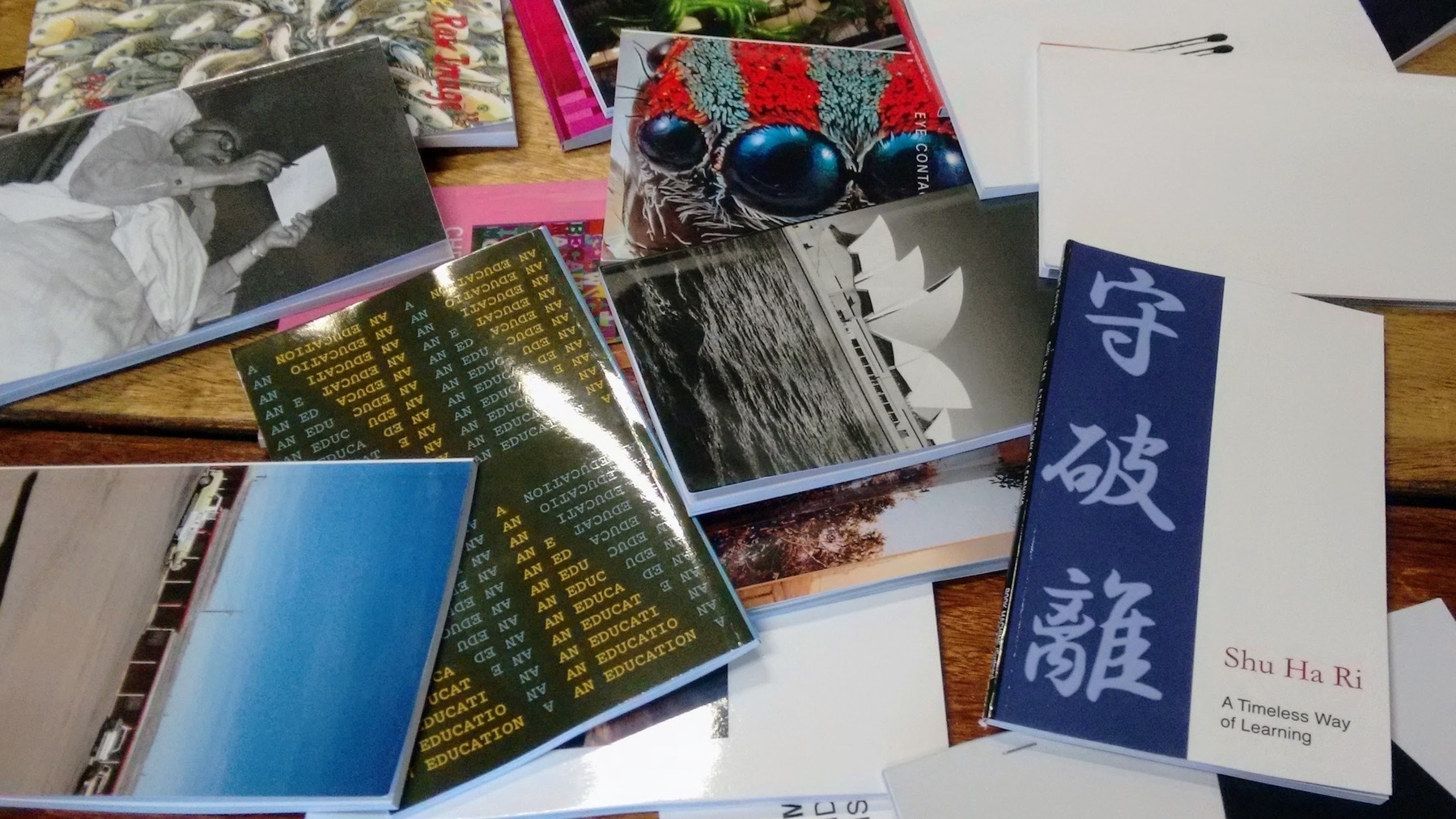
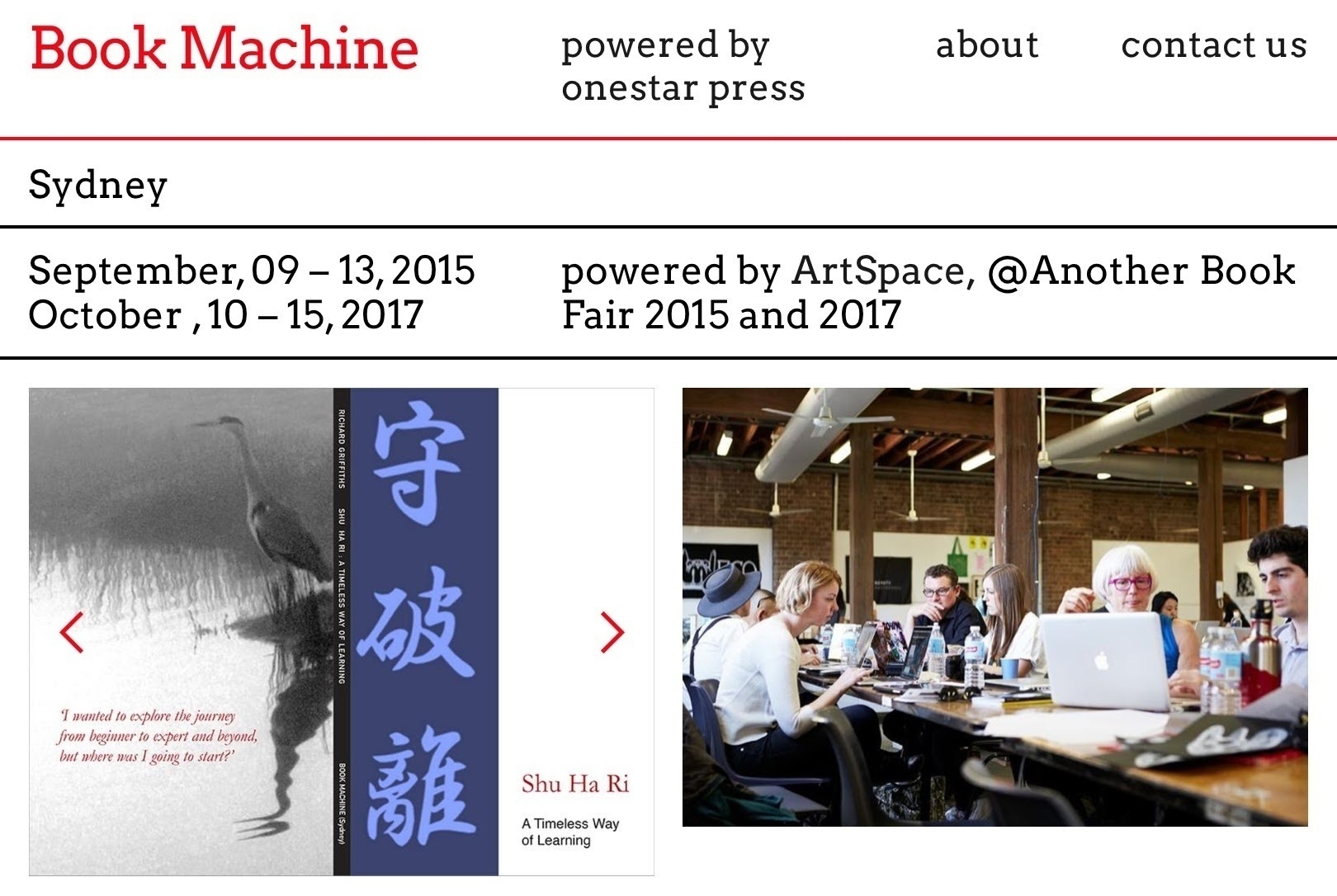
Update: Oh look, I wrote another book: Shu Ha Ri: The Japanese Way of Learning, for Artists and Fighters.
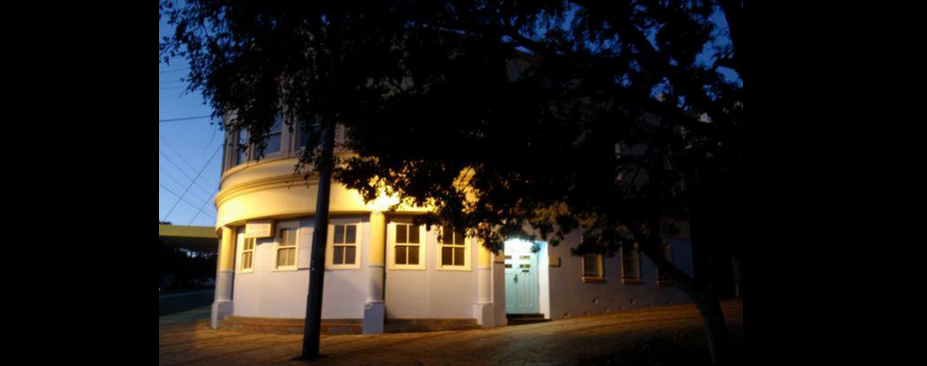
Randwick Literary Institute, the venue for our book launch, celebrates its 100th anniversary in 2025. Here it is in 1957, and it hasn’t changed much since then:
Subscribe to the Writing Slowly weekly digest (unsubscribe any time):
To care is to disobey
The book Pirate Care discusses how the act of caring for others has been criminalized, and it advocates for a grassroots political practice of solidarity against oppressive legal measures.
Read better, read closer
For anyone seeking clues on better techniques for reading, Scott Newstok, author of How to Think Like Shakespeare, has created a marvelous resource: a close reading archive. Here is where all your close reading questions will be answered, including, what is it? how do you do it? what have people done with it? and does it have a future in a digital age?
Close reading is one of those two-word phrases that seem to take on a life of their own. Anyone connected to the humanities has probably heard of it, but it’s not necessarily well understood. Is it finished? Apparently not. Not at all.
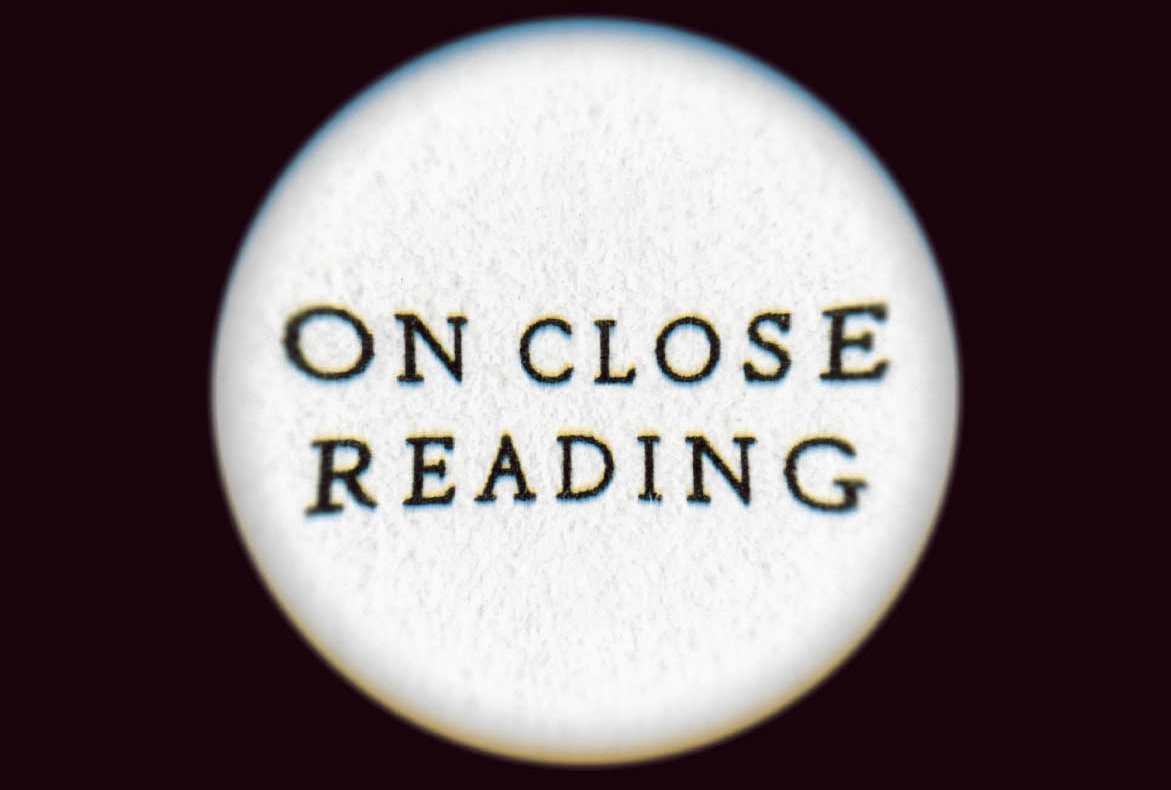
Professor Newstok’s close reading archive is an openly available companion to John Guillory’s cultural history, On Close Reading, published January 2025.
Newstok is also editor of a book on Montaigne’s view of teaching, which is how I discovered Gustave Flaubert’s endorsement of what might perhaps be seen as a kind of close reading avant la lettre1:
“Read Montaigne, read him slowly, carefully! He will calm you . . . Read him from one end to the other, and, when you have finished, try again . . . But do not read, as children read, for fun, or as the ambitious read, to instruct you. No. Read to live.”
Now consider: three ways to make notes while reading.
For even more, please subscribe.