books
- What is the real work of serendipity?
- A library of good neighbours
- The Dewey Decimal System pigeonholes all knowledge, like cells in a prison
Notemaking helps you remember - and helps you forget
Do we really need to remember everything?
This is the question posed by Lewis Hyde’s memorable book, A Primer for Forgetting: Getting Past the Past 📚
He says:
“Every act of memory is an act of forgetting. The tree of memory set its roots in blood. To secure an ideal, surround it with a moat of forgetfulness. To study the self is to forget the self. In forgetting lies the liquefaction of time. The Furies bloat the present with the undigested past. “Memory and oblivion, we call that imagination.” We dream in order to forget.” ― Lewis Hyde, A Primer for Forgetting: Getting Past the Past
Forgetting is the essence of what makes us human
The subtitle of Joshua Foer’s book, Moonwalking with Einstein, promotes the art and science of ‘remembering everything’. Yet Foer accepts that forgetting is an essential aspect of memory. He quotes the Argentinian author Jorge Luis Borges:
“It is forgetting, not remembering, that is the essence of what makes us human. To make sense of the world, we must filter it. “To think,” Borges writes, “is to forget.” – Joshua Foer, Moonwalking with Einstein: The Art and Science of Remembering Everything
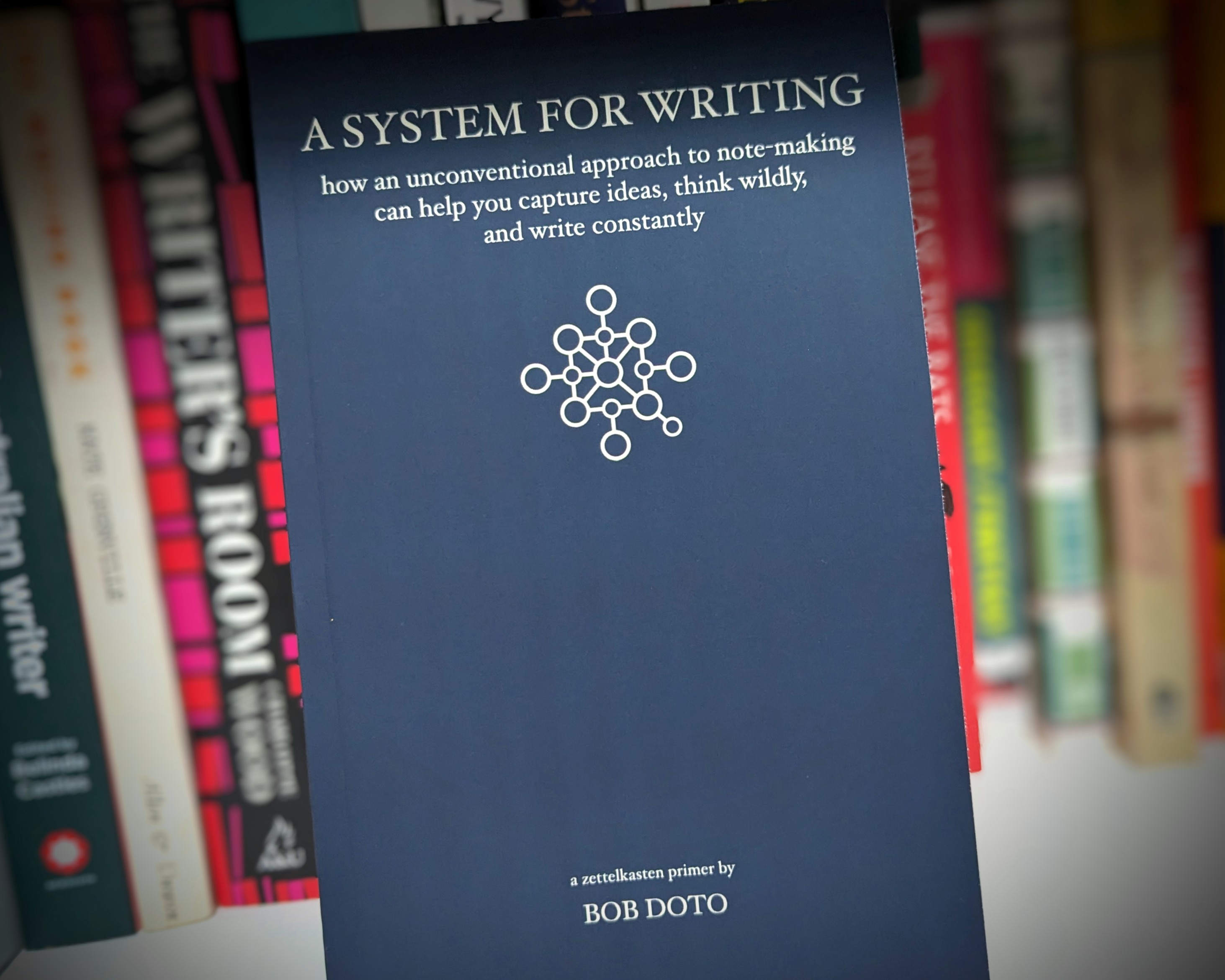
A System for Writing by Bob Doto
“The note you just took has yet to realize its potential.” - Bob Doto.
Another ‘Zettelkasten primer’ won’t be needed for some time, since this one is direct, concise, thorough and strongly practical. A System for Writing by Bob Doto is out!
💻 Ebook
Why not let your reading be a smorgasbord of serendipity?
Yes indeed, why not let your reading be a smorgasbord of serendipity?
Here’s Anna Funder, author of Wifedom: Mrs Orwell’s Invisible Life, on working at the University of Melbourne English Department library as a student:
“It sounds prehistoric now, but I sat at the front desk, typing out index cards for new acquisitions or requests from staff for books or journals — anything from the latest novel, to psychoanalysis, poetry or medieval studies. I read things that had nothing to do with my studies: a smorgasbord of serendipity. Despite my time there, I have never understood the Dewey decimal system: how can numbers tell you what a book is, to a decimal point?” - Every book you could want and many more
My take on this?
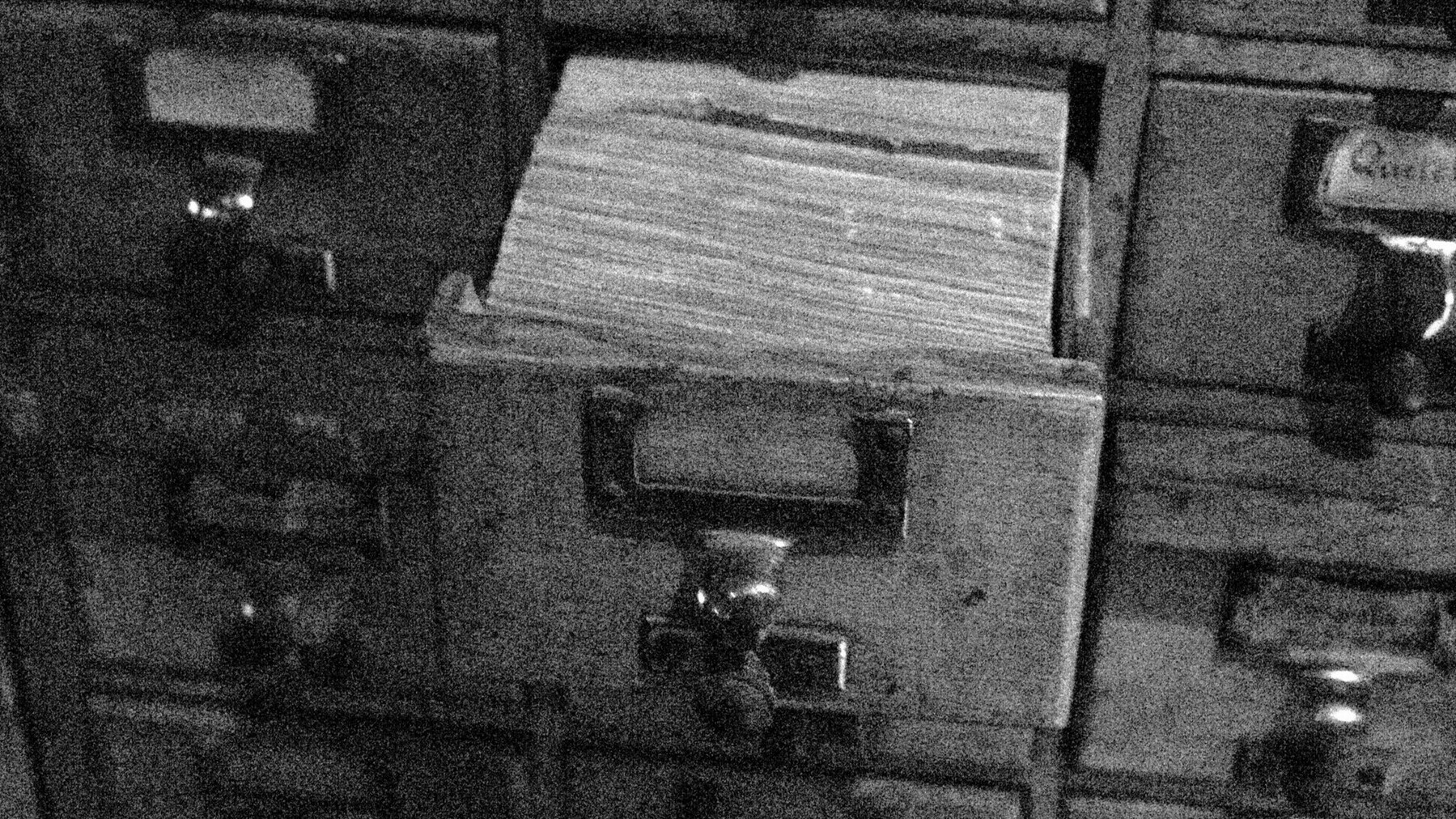
HEAJ:Mundaneum by Marc Wathieu is licensed under CC BY 2.0

🐙 Octopus intelligence is intriguing. Having read Ray Naylor’s The Mountain in the Sea 📚, I now want to try Other Minds: The Octopus and the Evolution of Intelligent Life by Peter Godfrey-Smith. I’d also like to read Children of Ruin by Adrian Tchaikovsky, which has a somewhat similar theme.
Finished reading: Ian Gentle: The Found Line, edited by David Roach 📚
I’ve posted about this interesting artist previously, because I loved The Gentle Project.
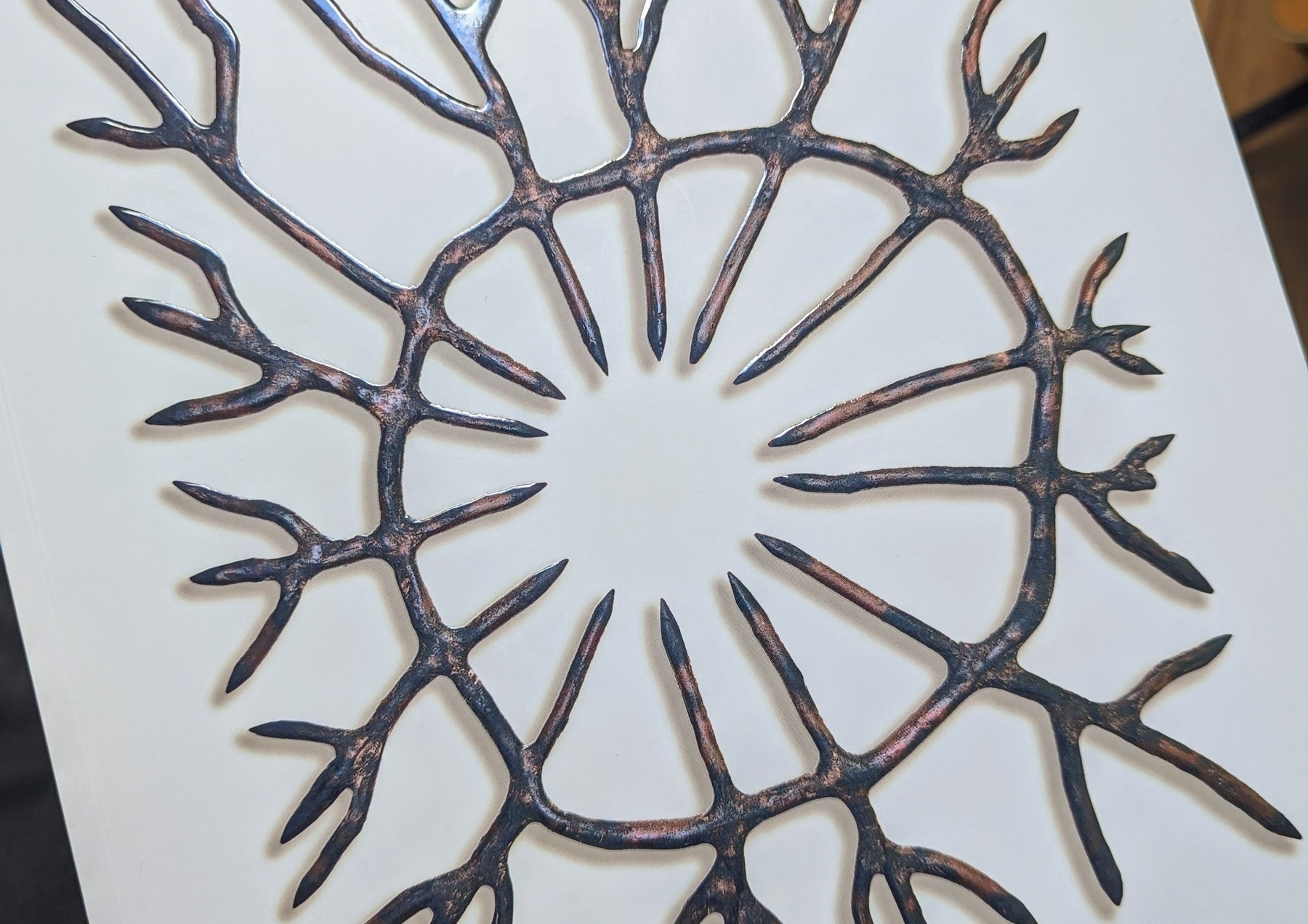
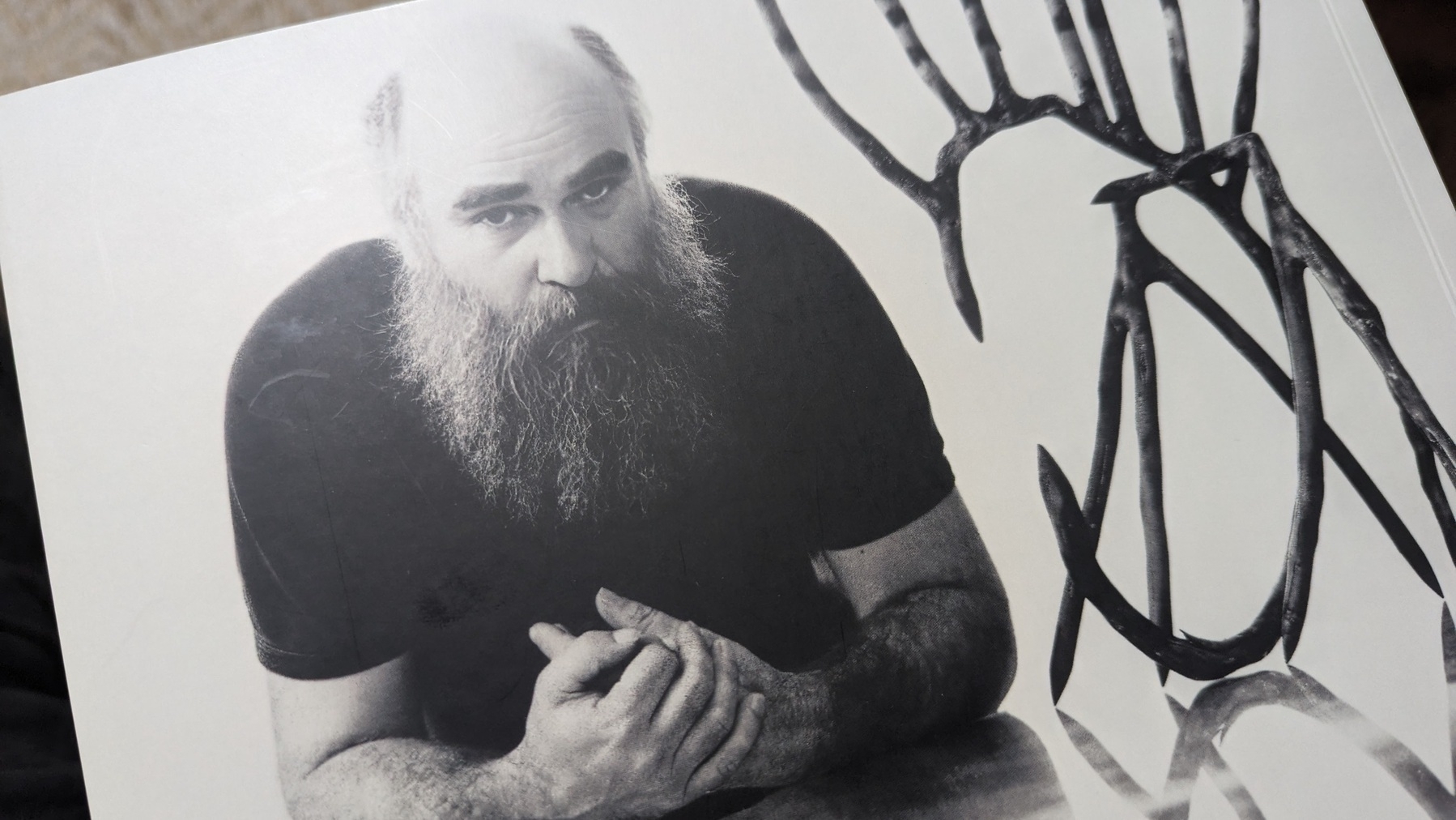
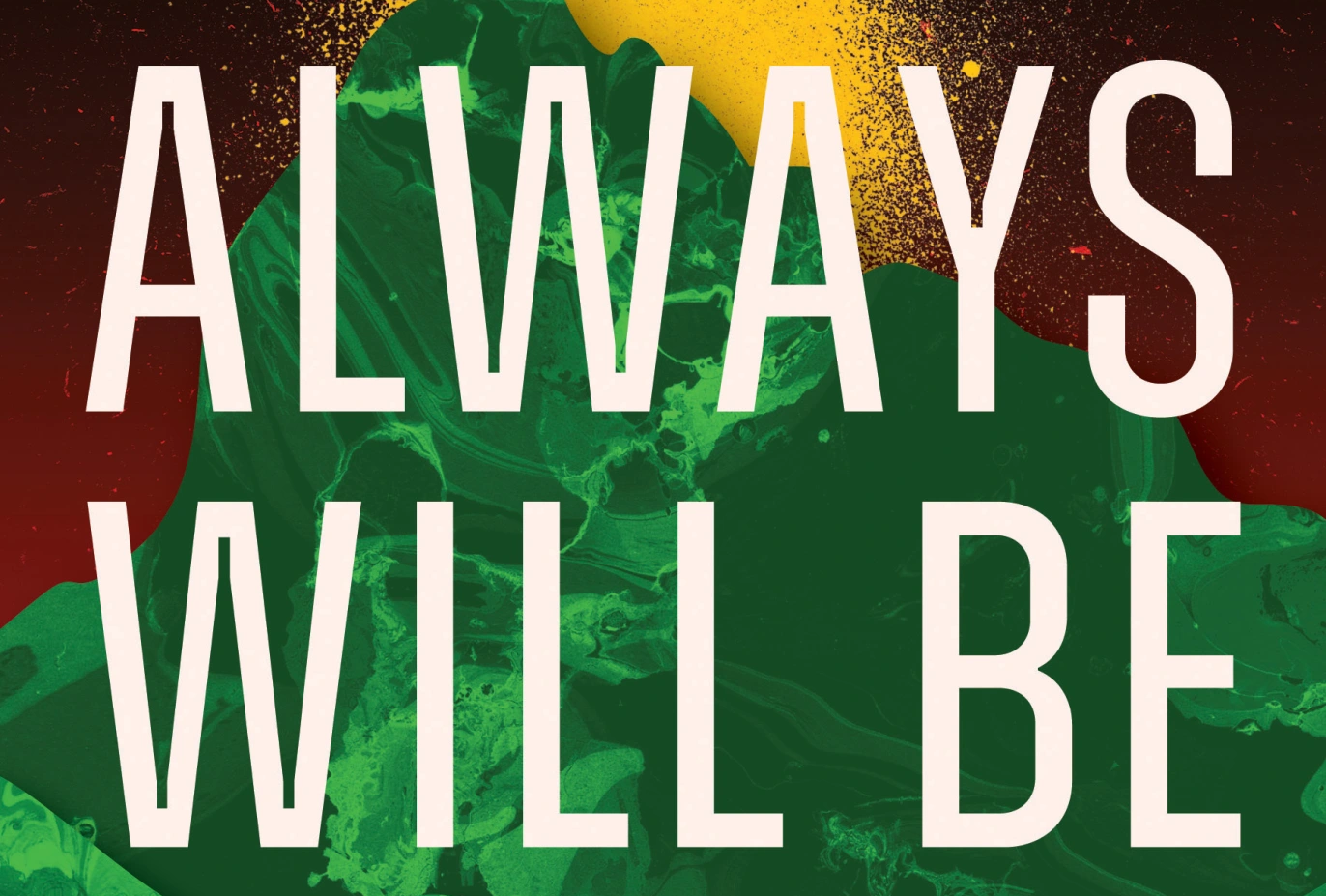
Finished reading: Always Will Be by Mykaela Saunders 📚
These short stories are set entirely in Australia’s Tweed region, but they range over a vast time-frame: from the more-or-less present to the far distant future. I loved the tough optimism. Always will be Aboriginal land - an ideal sci-fi theme.
Finished reading: Orbital by Samantha Harvey 📚
This reads curiously well alongside To be Taught, if Fortunate. Both describe spaceflight in mundane but compelling detail. Harvey is the stronger writer, but Chambers has the stronger story. Both are writing, for want of a better term, space pastoral.
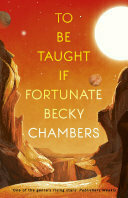
Finished reading: To Be Taught, If Fortunate by Becky Chambers 📚My backlog of sci-fi reading is getting a little smaller.
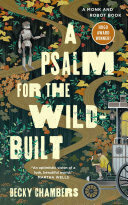
Finished reading: A Psalm for the Wild-Built by Becky Chambers 📚I seem to be getting through the pile of sci-fi books that never shrinks but only grows.
At last, writing slowly is back in fashion!
Cal Newport, author of the forthcoming book, 📚Slow Productivity, has finally latched on to the premise of this website: you can get a lot done by writing slowly.
Speeding up in pursuit of fleeting moments of hyper-visibility is not necessarily the path to impact. It’s in slowing down that the real magic happens.
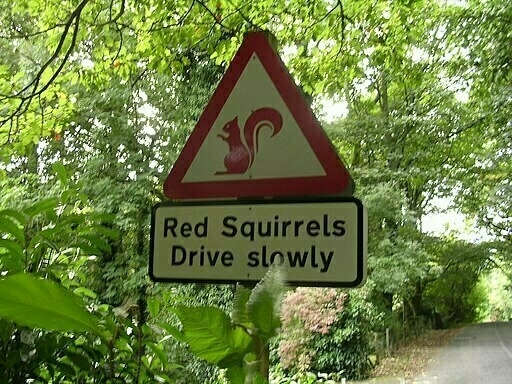
I didn’t even know they could drive.
See also:
