Atomic Notes
- What is the real work of serendipity?
- A library of good neighbours
- The Dewey Decimal System pigeonholes all knowledge, like cells in a prison
- How to think in writing, part 1: The thought behind the thought by Henrik Karlsson.
- Chase your reading by Robin Hanson.
- Learning by writing by Holden Karnovsky.
- How to make writing less hard by Oliver Burkeman.
- When to begin writing by Sheldon Richmond (it’s an old one but a good one).
- Plain text (Markdown) notes.
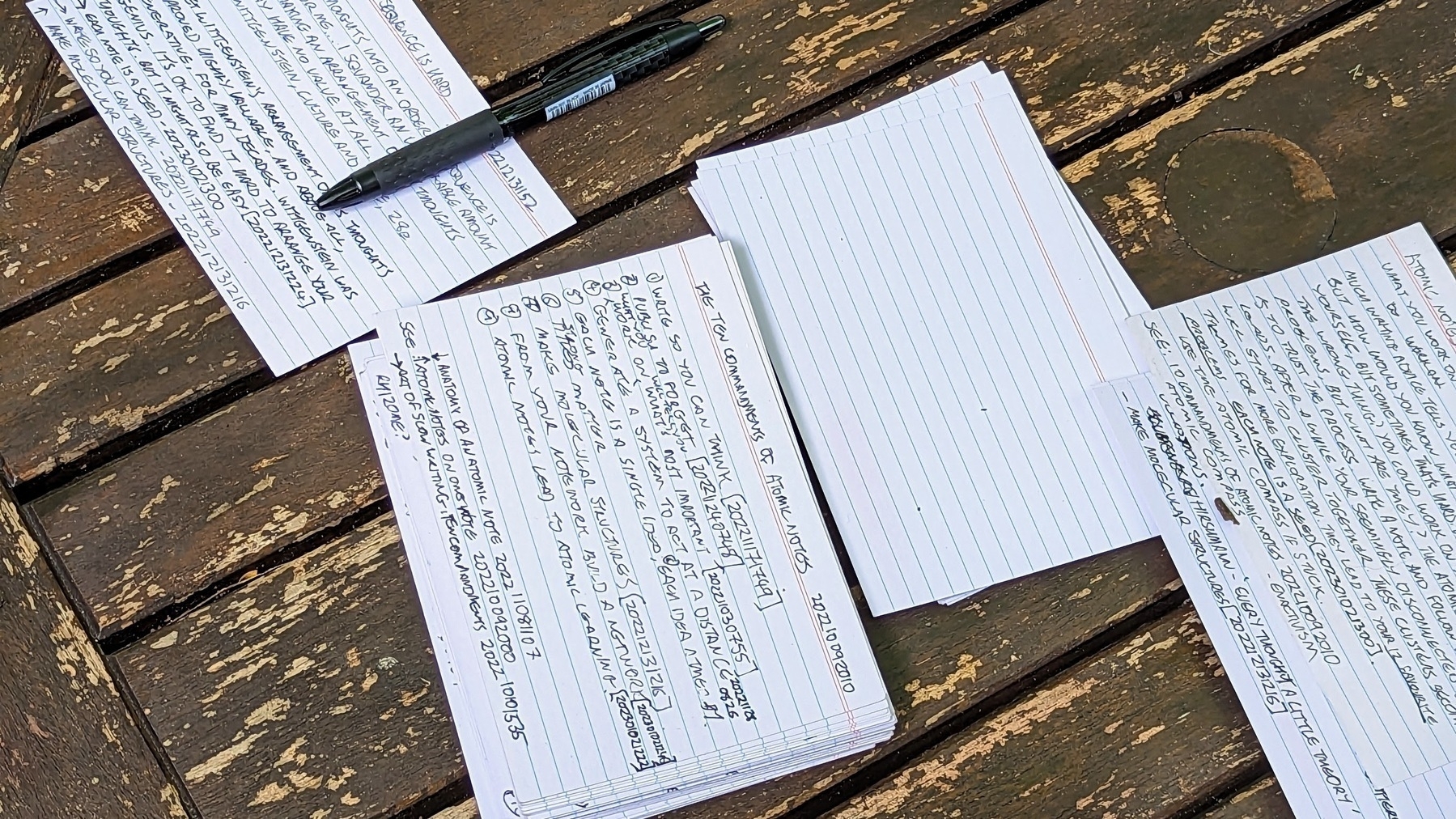
- Each note is a single idea with a unique ID.
- Each note deserves a clear title.
- Notes link meaningfully to other notes.
- Tiago Forte’s summary of How to Take Smart Notes, by Sönke Ahrens
-
Don’t build a magnificent but useless encyclopaedia
-
Document your journey through the deep forest
-
Avoid inert ideas
-
Converse about what really matters to you
-
Imagine, then build, new knowledge products
-
Where (and how) you go is more important than where you start from
-
An example
Why not let your reading be a smorgasbord of serendipity?
Yes indeed, why not let your reading be a smorgasbord of serendipity?
Here’s Anna Funder, author of Wifedom: Mrs Orwell’s Invisible Life, on working at the University of Melbourne English Department library as a student:
“It sounds prehistoric now, but I sat at the front desk, typing out index cards for new acquisitions or requests from staff for books or journals — anything from the latest novel, to psychoanalysis, poetry or medieval studies. I read things that had nothing to do with my studies: a smorgasbord of serendipity. Despite my time there, I have never understood the Dewey decimal system: how can numbers tell you what a book is, to a decimal point?” - Every book you could want and many more
My take on this?
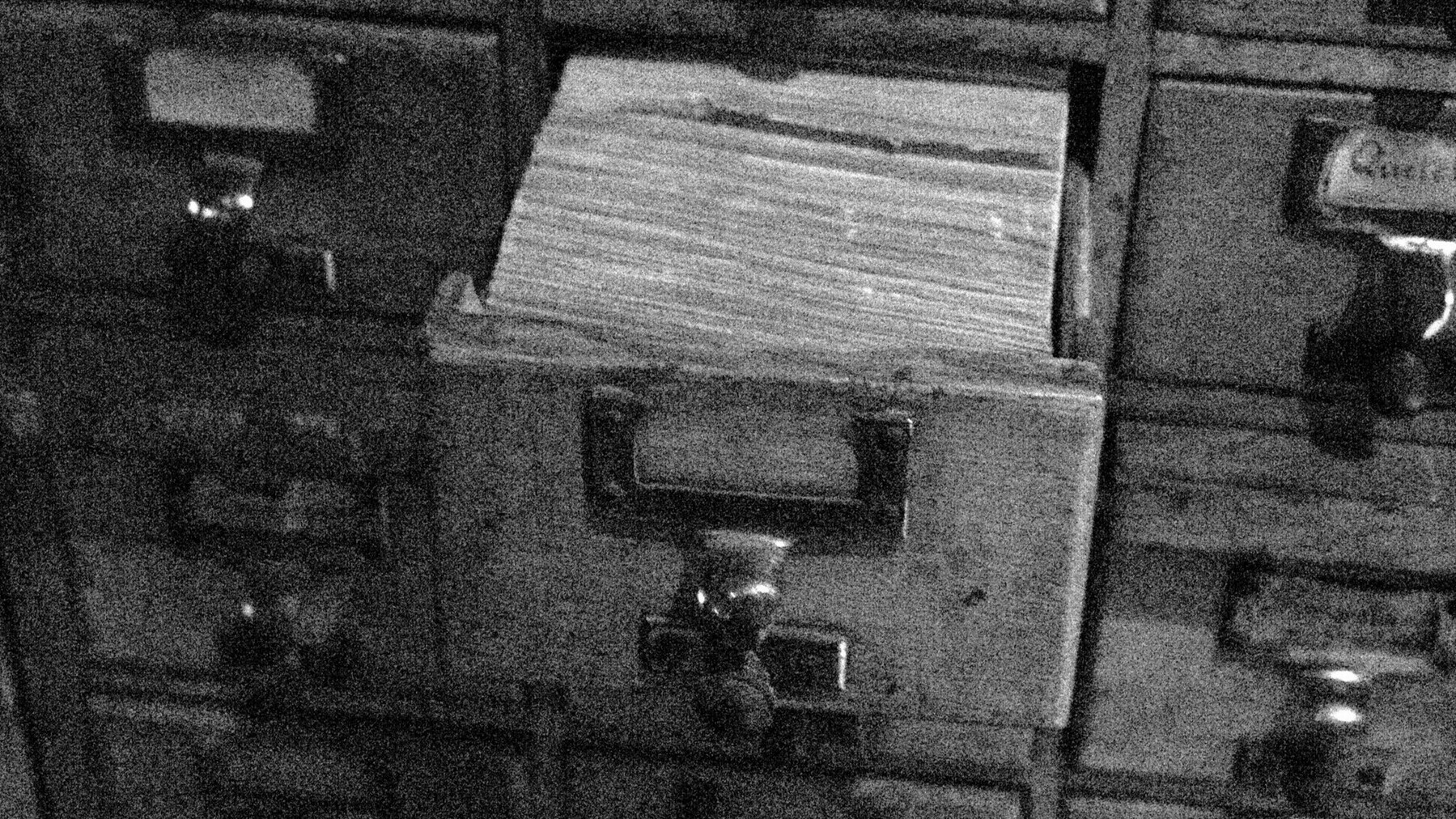
HEAJ:Mundaneum by Marc Wathieu is licensed under CC BY 2.0
A minimal approach to making notes
I want a minimal approach to making notes.
I don’t want anything fancy, just enough structure to be useful.
When I see people’s souped-up Obsidian note-taking vaults my head spins (OK, I’m jealous). I also wonder, though, what extra result is achieved with a fantastically complex system. Having said that, I’m keen on people creating a working environment that works for them, and I do admire people’s creativity in this area.
I just can’t be bothered to do it myself.
When discussing the Zettelkasten approach to making notes, it seems there are a lot of different note types to consider, which confuses people. The extensive discussion about different types of notes caused by reading Sonke Ahrens’s book How to Take Smart Notes makes me think this multiple-note-types approach is just too complicated for me. So what do I do instead?
Five useful articles about writing
Here are five links with worthwhile writing advice. 🖋️
A forest of evergreen notes
Jon M Sterling, a computer scientist at Cambridge University, has created his own ‘mathematical Zettelkasten’, which he also calls ‘a forest of evergreen notes’.
He maintains a very interesting website, built using a tool he created, named, appropriately enough, Forester.

The implementation of his ideas raises all sorts of ideas and questions for me, almost all enthusiastic. Here are a few in no order at all:
Make your notes a creative working environment
“Do you have an ideal creative environment? Also do you believe the physical space influences your creativity?”
This is a question Manuel Moreale regularly asks his guests on the People and Blogs newsletter. The answers are always fascinating and well worth a read.
This got me thinking about my own working environment and maybe I overthought it. It looks like I’ve totally ignored Barry Hess’s reminder that you’re a blogger not an essayist.[^1] Anyway, here goes.
Note: This post is part of the Indieweb Carnival on creative environments.
When it comes to writing notes, how much mess is just enough?
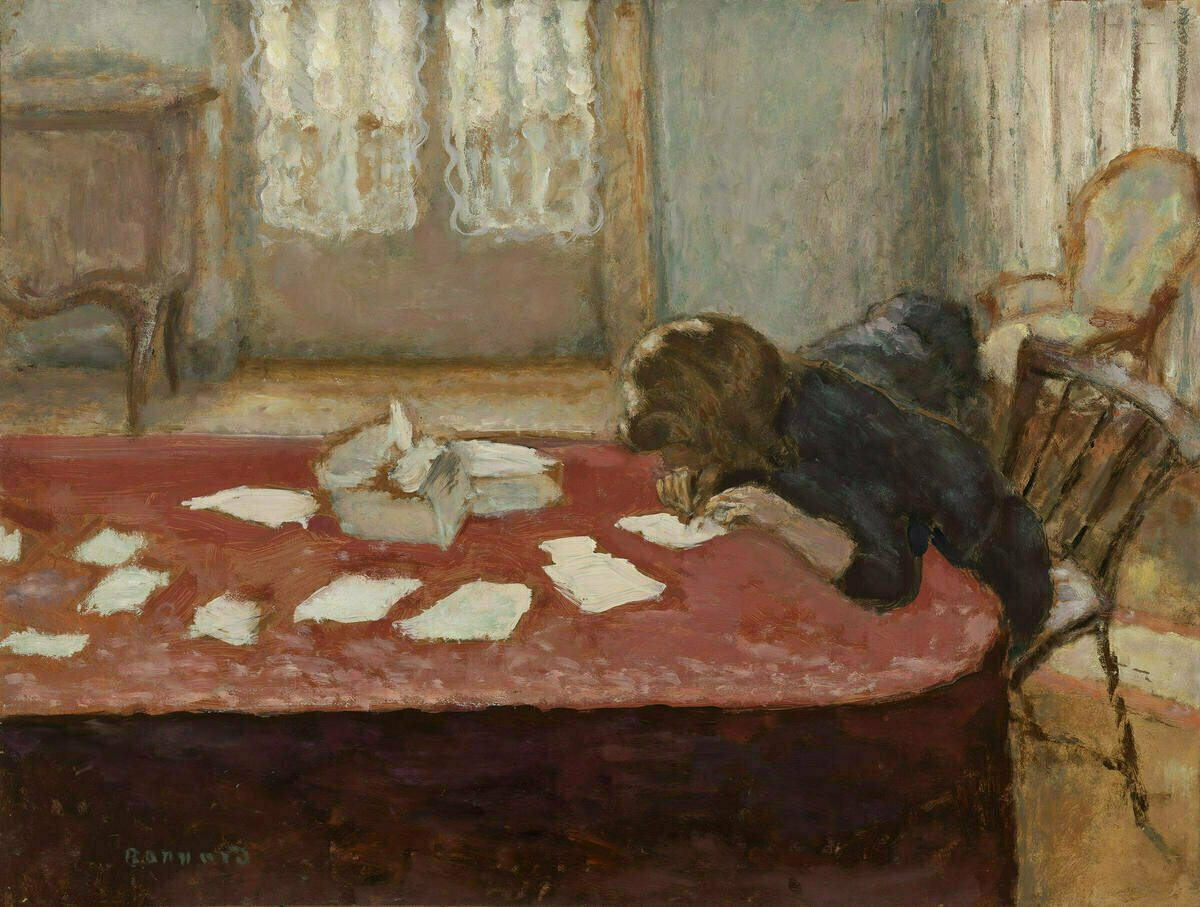
Oliver Burkeman, author of Four Thousand Weeks, likes to keep his notes messy1:
“‘Messiness’, in this context at least, is just the state of not being so hubristic as to imagine that you know, in advance, precisely what’s required in order to do or to create something worthwhile. Which, of course, nobody does.” - The life-changing magic of not tidying up
I really appreciate the benefits of serendipity, but I also need some structure, which is why I’m happy with making atomic notes, densely linked. You might call it a Zettelkasten. Burkeman says he tried a Zettelkasten approach to his notes, but found it too organised.
That’s not at all how I’ve experienced it.
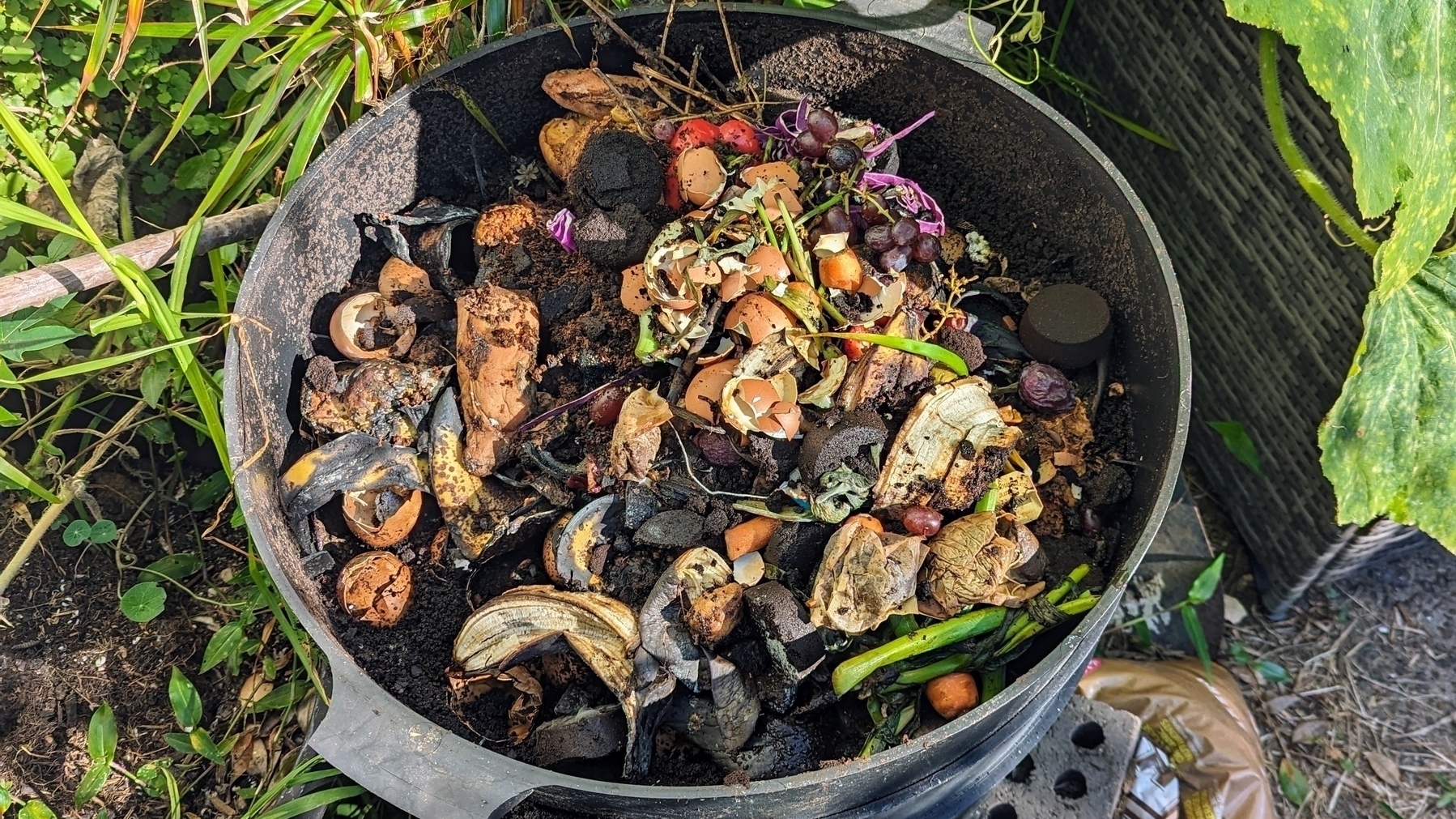
The image that for me best sums up this process of making short notes to create longer pieces of writing is that of my little worm farm. All sorts of scraps get dumped in at the top. And mostly unseen, the worms turn everything into nourishing compost.
It’s almost magical.
So instead of being obsessive, I just have a few simple rules that I mostly stick to.
And while this little system might not result in much tidiness, it’s still really neat.
Don't make a Zitatsalat out of your writing
Zitatsalat? What does that even mean?
Yes, Zitatsalat. I found this lovely but rarely used German term in the title of a book by the journalist Stephan Maus. The book’s name is Zitatsalat von Hinz & Kunz.[^1]
I love the rhyming rhythm of this compound term, but what does Zitatsalat actually mean?
Well, Zitatsalat translates as Quote Salad. It’s not a compliment.

Zitatsalat, by Stephan Maus (2002).
But what’s wrong with quoting other writers?
Work as if writing is the only thing that matters
“Work as if writing is the only thing that matters. Having a clear, tangible purpose when you consume information completely changes the way you engage with it. You’ll be more focused, more curious, more rigorous, and more demanding. You won’t waste time writing down every detail, trying to make a perfect record of everything that was said. Instead, you’ll try to learn the basics as efficiently as possible so you can get to the point where open questions arise, as these are the only questions worth writing about. Almost every aspect of your life will change when you live as if you are working toward publication. You’ll read differently, becoming more focused on the parts most relevant to the argument you’re building. You’ll ask sharper questions, no longer satisfied with vague explanations or leaps in logic. You’ll naturally seek venues to present your work, since the feedback you receive will propel your thinking forward like nothing else. You’ll begin to act more deliberately, thinking several steps beyond what you’re reading to consider its implications and potential.”
The card index system is ‘a thing alive’ - or is it?
Niklas Luhmann, the famed sociologist of Bielefeld, Germany, wrote of how he saw his voluminous working notes (his ‘Zettelkasten’) as a kind of conversation partner, which surprised him from time to time. But he wasn’t the first to suggest that a person’s notes might be in some sense alive.
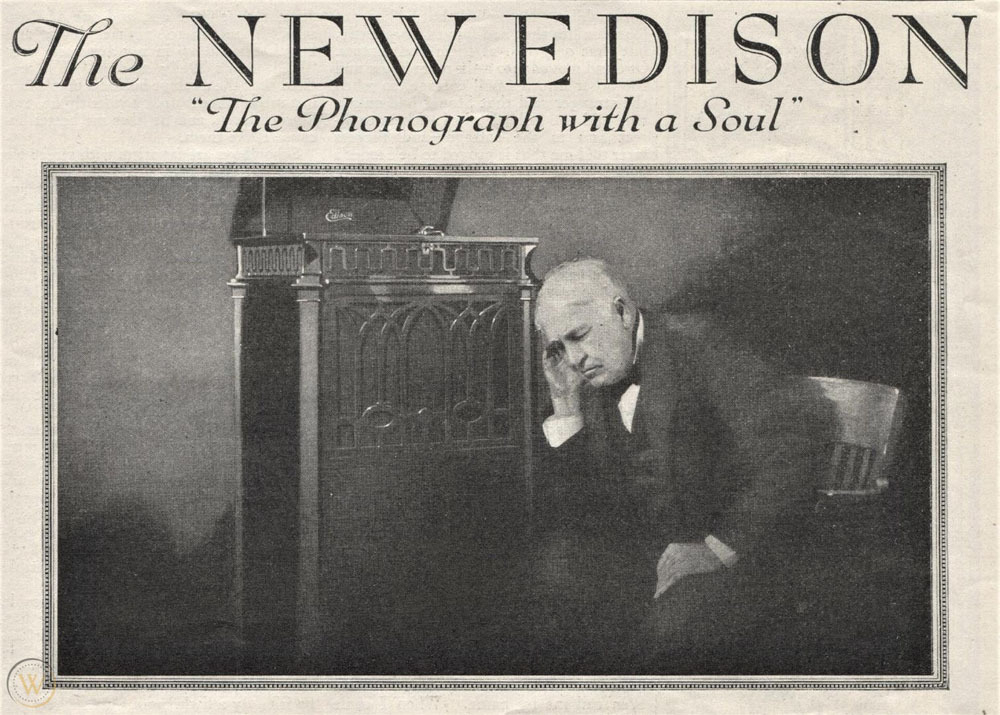
At the end of the Nineteenth century there was a massive explosion of technological change which affected almost every aspect of society. People marveled at new invention after new invention and there was a tendency to see mechanical and especially electrical advances as somehow endowed with life. The phonograph, for example, was held to be alive and print adverts even claimed it had a soul.
How to start a Zettelkasten from your existing deep experience
An organized collection of notes (a Zettelkasten) can help you make sense of your existing knowledge, and then make better use of it. Make your notes personal and make them relevant. Resist the urge to make them exhaustive.