Faint praise for categories
Author and activist Rebecca Solnit isn’t too keen on the apparent eagerness to categorise.
“Categories too often become where thought goes to die. That is, there’s a widespread tendency to act as if once something has been categorized, no further consideration is required.” — A is for Airtight Categories
I’m not all that keen on the established categories myself. Not in my notes, anyway, and often not in my life. I’m not looking for categories. Instead, I’m usually looking for patterns.
I feel that placing an idea or concept in a category tends to close down further thought, like closing the lid on a box. In contrast, discovering a pattern tends to be just the start of consideration, of enquiry, of conversation, not the end of it.
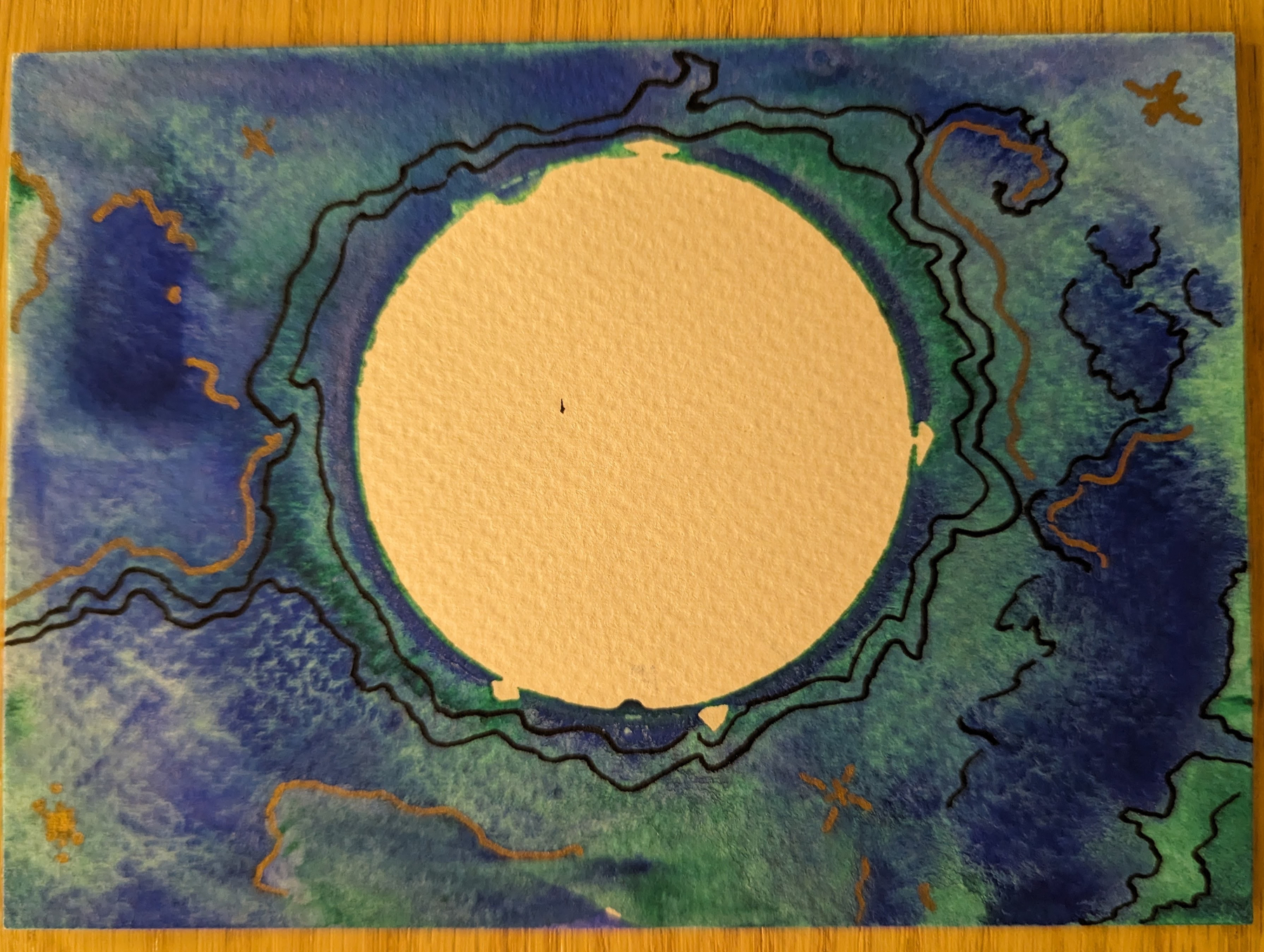
Patterns invite a sense of wonder; categories tend to deny it. As Solnit said I her book Hope in the Dark, “the Moon is profound except when we land on it”.
Being quick to categorise can look like a neat short-cut to understanding, but it often doesn’t work out that way. Established categories can hide more than they reveal. Relying on them can be a way of fooling yourself into believing you know more than you do. One of the reasons I write slowly is to allow myself space and time to think through my ignorance — and to think things through by writing them down. Solnit says:
“We live in a time where people are more isolated then ever from the kind of private, personal engagement where you can wonder, doubt, improvise, or just admit you don’t know, and where many of us are instead more than ever in the para-public sphere of social media where you perform for an audience of casual acquaintances and strangers who may savage you if you get anything wrong or even seem weak or uncertain or uncommitted.”
Well, I feel being uncertain or uncommitted isn’t necessarily a sign of weakness, and writing slowly isn’t necessarily a sign of laziness. Look where certain, committed and fast has got us in recent times.
And admitting that you don’t know, far from being a sign of ignorance, is often a hallmark of expertise. That’s the paradox of mastery. It’s why the expert must remain a beginner.
One kind of category I do have time for is the category that no one has thought of yet. Creating new categories of thought is how the world is re-made. It’s curious that those who are the keenest on categories tend to be the least receptive to the idea that we just made them up.
“The stars we are given. The constellations we make. That is to say, stars exist in the cosmos, but constellations are the imaginary lines we draw between them, the readings we give the sky, the stories we tell.” ― Rebecca Solnit, Storming the Gates of Paradise: Landscapes for Politics.
Further reading:
- Improve your notes and your life with two-word phrases.
- Does the Zettelkasten have a top and a bottom?
- Even the index is just another note.
- Top level categories in my notes.
- When it comes to writing notes, how much mess is just enough?