Apocaloptimism, is that even a word?
The AI Doc on Netflix, subtitled ‘How I became an Apocaloptimist’, was a little disappointing (Wikipedia). It mainly tried to showcase ‘both sides’ of the argument about AI heralding the end of civilisation. It was interesting to see how uncomfortable everyone seemed to be when addressing existential questions about AI’s future development. But I’m not convinced the main question is whether or not we should have children – even though the interviewer, Daniel Roher, seemed to think it was.
Along the way there was quite a bit of angst about computers making people redundant both materially and spiritually. I’ve written about how fear of AI is nothing new and how the concept of Promethean shame, where we feel embarassed not to be machines, has been around for quite some time. And for the record there’s no need to feel ashamed of being yourself, though the very idea does demonstrate a deep-seated, pre-existing cultural anxiety about human vulnerability.
Among the interviewees was at least one ’effective accelerationism’ cheerleader. To say the least it whiffed strongly of regulation for thee but not for me. And it all seemed very religious, but not in a good way. Also there’s the argument, implied at least, that if we don’t destroy the world quickly with data centres then the world will be destroyed.
Seems like it’s apocalypse if you do and apocalypse if you don’t. Maybe I’m just out of touch with how to make money these days.
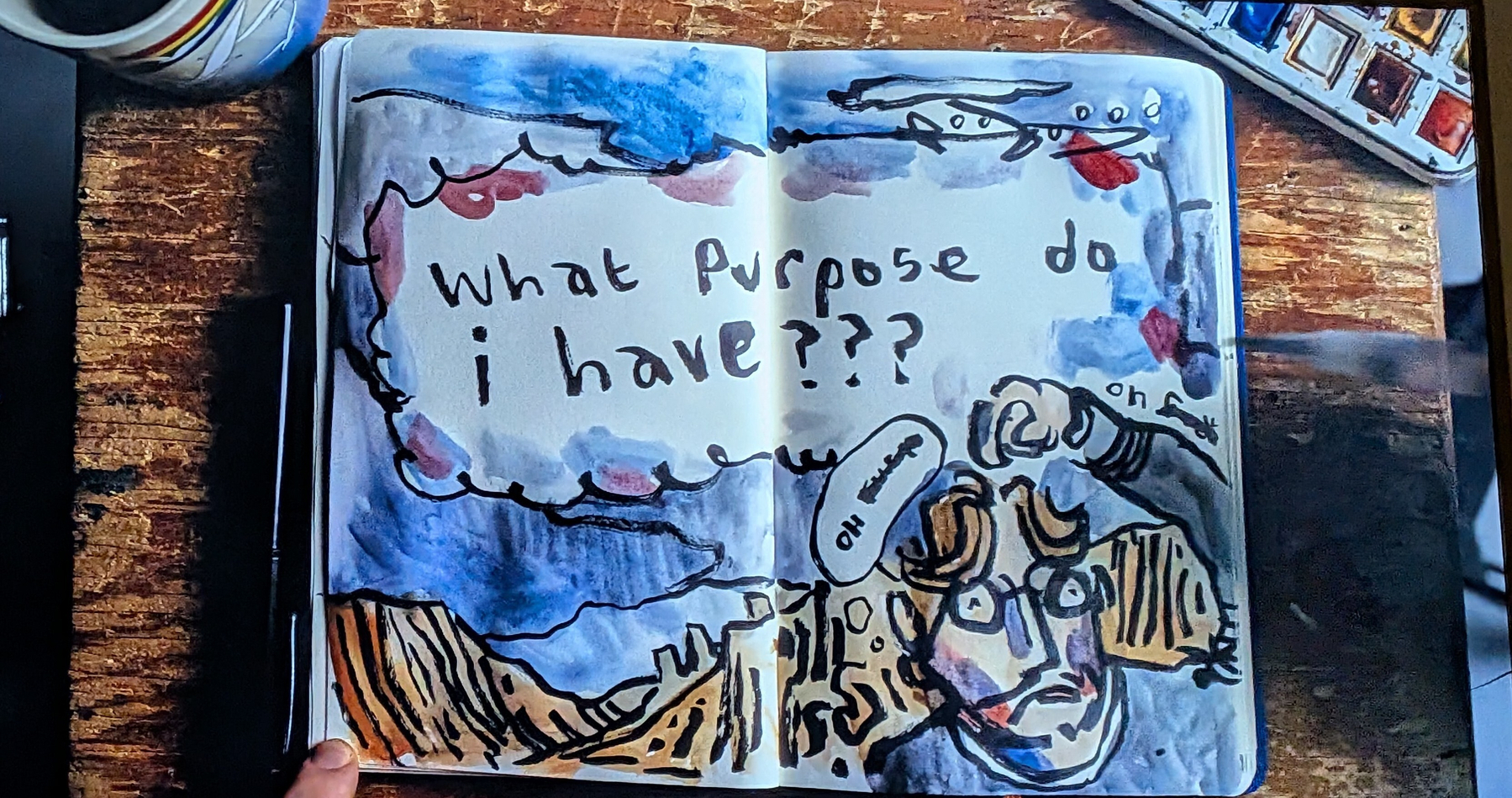
The graphics were good though, especially the hand painted notebook entries. But if you haven’t seen Daniel Roher’s previous documentary, Navalny, I suggest you watch it first.
That really is terrifying.