A minimal approach to making notes
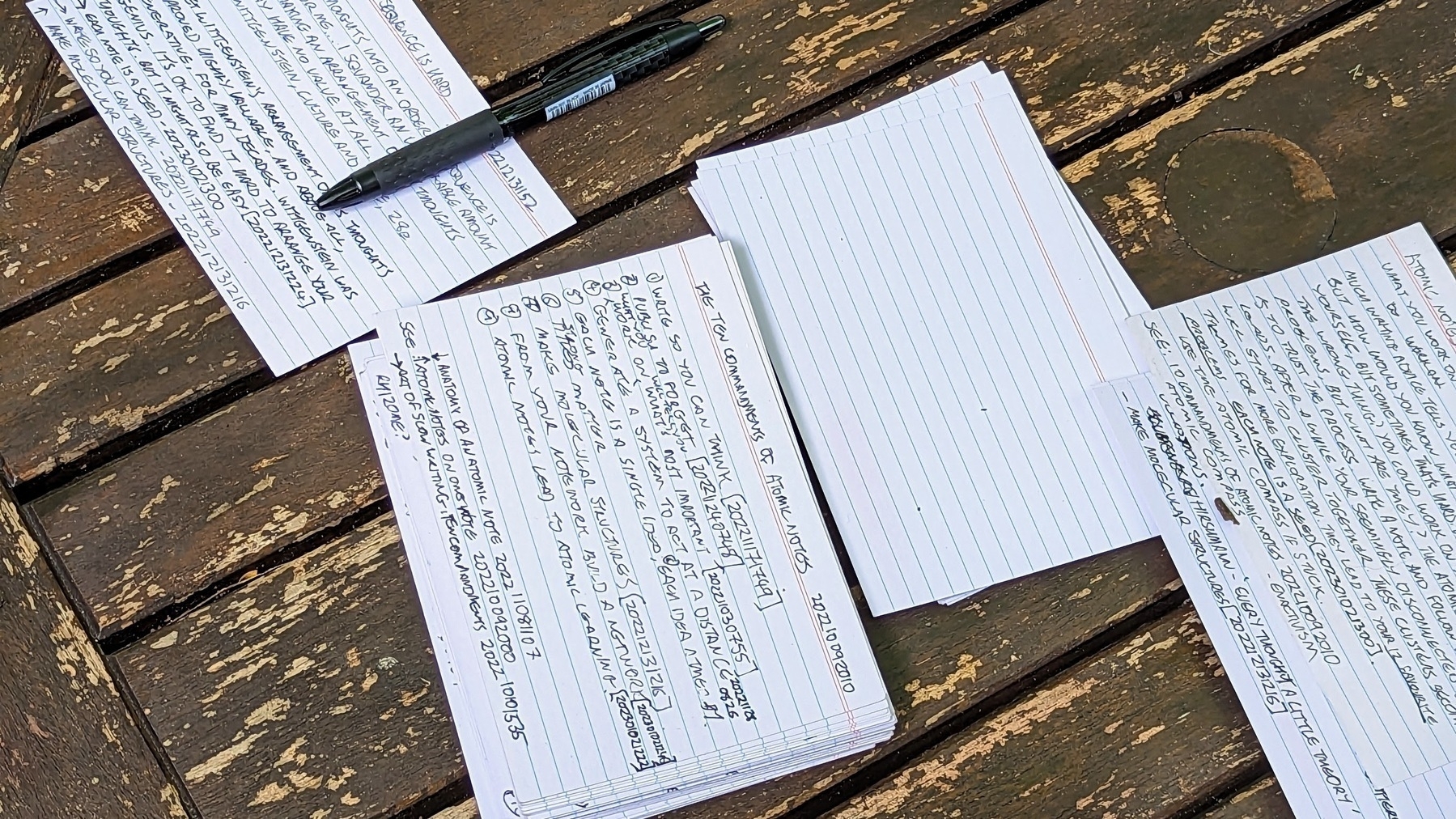
I want a minimal approach to making notes.
I don’t want anything fancy, just enough structure to be useful.
When I see people’s souped-up Obsidian note-taking vaults my head spins (OK, I’m jealous). I also wonder, though, what extra result is achieved with a fantastically complex system. Having said that, I’m keen on people creating a working environment that works for them, and I do admire people’s creativity in this area.
I just can’t be bothered to do it myself.
When discussing the Zettelkasten approach to making notes, it seems there are a lot of different note types to consider, which confuses people. The extensive discussion about different types of notes caused by reading Sonke Ahrens’s book How to Take Smart Notes makes me think this multiple-note-types approach is just too complicated for me. So what do I do instead?
Five useful articles about writing
Here are five links with worthwhile writing advice. 🖋️
- How to think in writing, part 1: The thought behind the thought by Henrik Karlsson.
- Chase your reading by Robin Hanson.
- Learning by writing by Holden Karnovsky.
- How to make writing less hard by Oliver Burkeman.
- When to begin writing by Sheldon Richmond (it’s an old one but a good one).
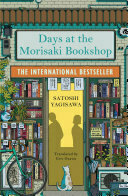
Finished reading: Days at the Morisaki Bookshop by Satoshi Yagisawa 📚
This made me want to visit Kanda Jimbochu, the second-hand bookstore quarter of Tokyo, where the novel is set. Perhaps it’s a bit of a tourist trap, but hey, books!
The story is a little thin, but then just yesterday I heard an amazing true story about a book shop, that would sound unbelievable if it was ever put in a novel - so maybe this experience has set the bar a little high.

Image: Kenichiro MATOHARA, CC BY 2.0, via Wikimedia Commons

A forest of evergreen notes
Jon M Sterling, a computer scientist at Cambridge University, has created his own ‘mathematical Zettelkasten’, which he also calls ‘a forest of evergreen notes’.
He maintains a very interesting website, built using a tool he created, named, appropriately enough, Forester.
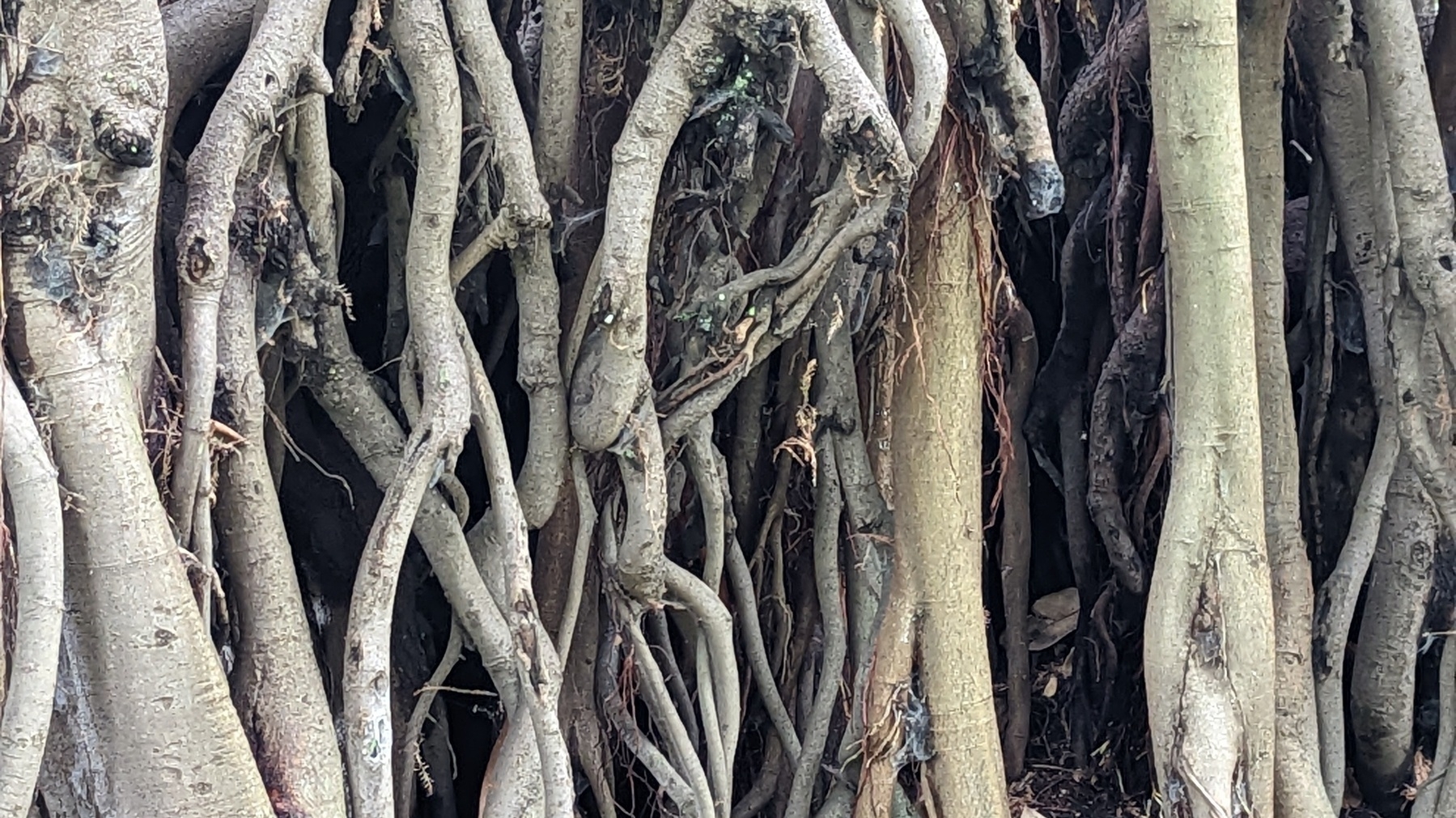
The implementation of his ideas raises all sorts of ideas and questions for me, almost all enthusiastic. Here are a few in no order at all:
“let’s look at all the apps that live under our thumbs, and interrogate the choices they’re making, and then imagine what they would look like if we demanded that our tools don’t tie our hands.” - Anil Dash 💬
My take: Don’t let your technology dictate your aesthetic experience. We can make choices!
Andy Bell found 14 ways to supercharge your workflow with AI, but I’ve found the single best one.
Make your notes a creative working environment
“Do you have an ideal creative environment? Also do you believe the physical space influences your creativity?”
This is a question Manuel Moreale regularly asks his guests on the People and Blogs newsletter. The answers are always fascinating and well worth a read.
This got me thinking about my own working environment and maybe I overthought it. It looks like I’ve totally ignored Barry Hess’s reminder that you’re a blogger not an essayist. Anyway, here goes.
Note: This post is part of the Indieweb Carnival on creative environments.
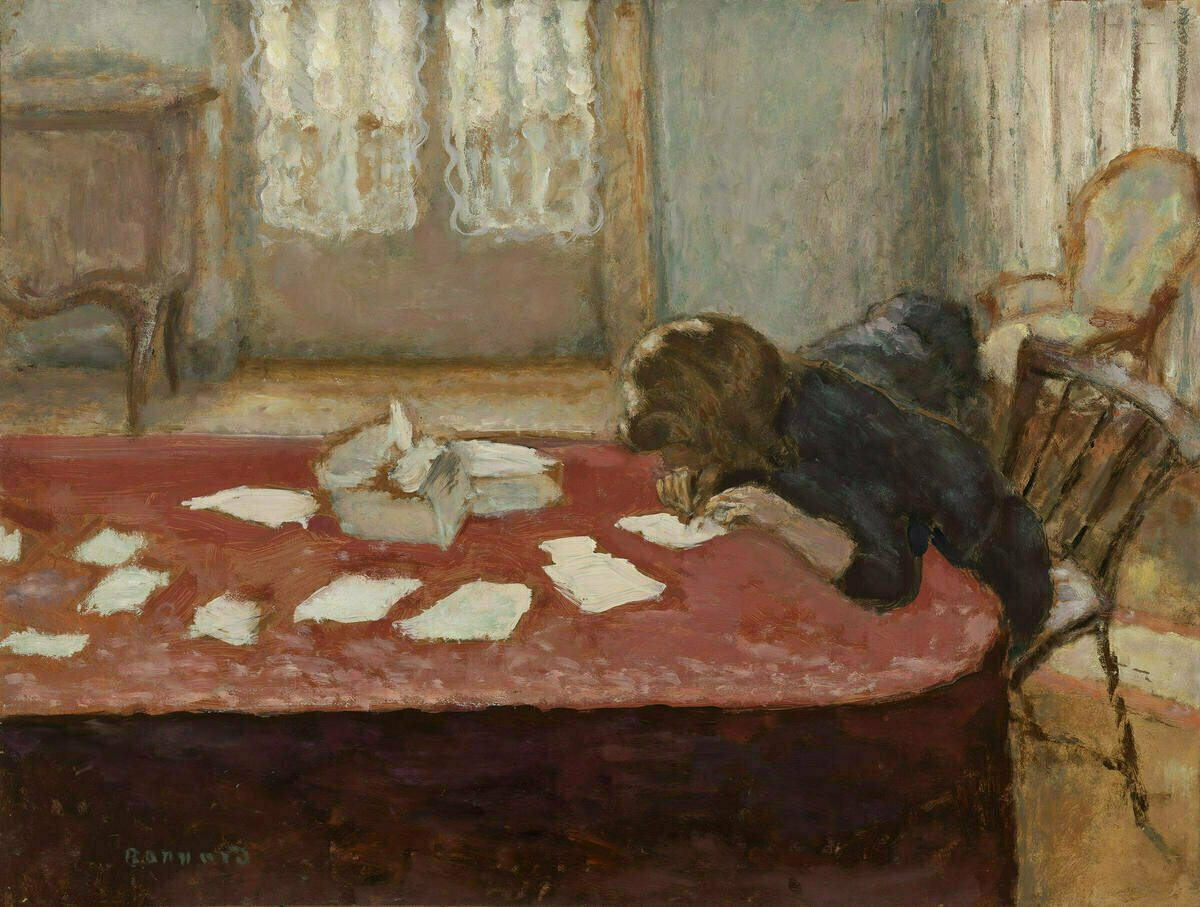
Being human is a trend now.
According to the Mintel Global Consumer Trends Report for 2024:
“Today’s rapidly advancing AI-powered technologies seem to be on track to outpace human output. While consumers and businesses learn to balance the use of this emerging technology, consumers will begin to appreciate what makes humans so unique. A new ‘human-as-premium’ label will emerge, giving greater influence to artisans who can take on the creative spirit that exists outside of an algorithm. As the collective memory of a pre-tech world grows more distant, nostalgia will appeal, even to younger generations that only know the conveniences of a digitised world. From this will rise services that teach human skills like self-expression and focus on how to connect with fellow humans.”

🐙 Octopus intelligence is intriguing. Having read Ray Naylor’s The Mountain in the Sea 📚, I now want to try Other Minds: The Octopus and the Evolution of Intelligent Life by Peter Godfrey-Smith. I’d also like to read Children of Ruin by Adrian Tchaikovsky, which has a somewhat similar theme.
I really enjoyed the latest micro.blog photo challenge, both taking part and seeing all the great photos you people posted. As ever, there were some very imaginative responses to the daily prompts.
Why not check out the photo grid? My own little photo wall is also open for viewing.