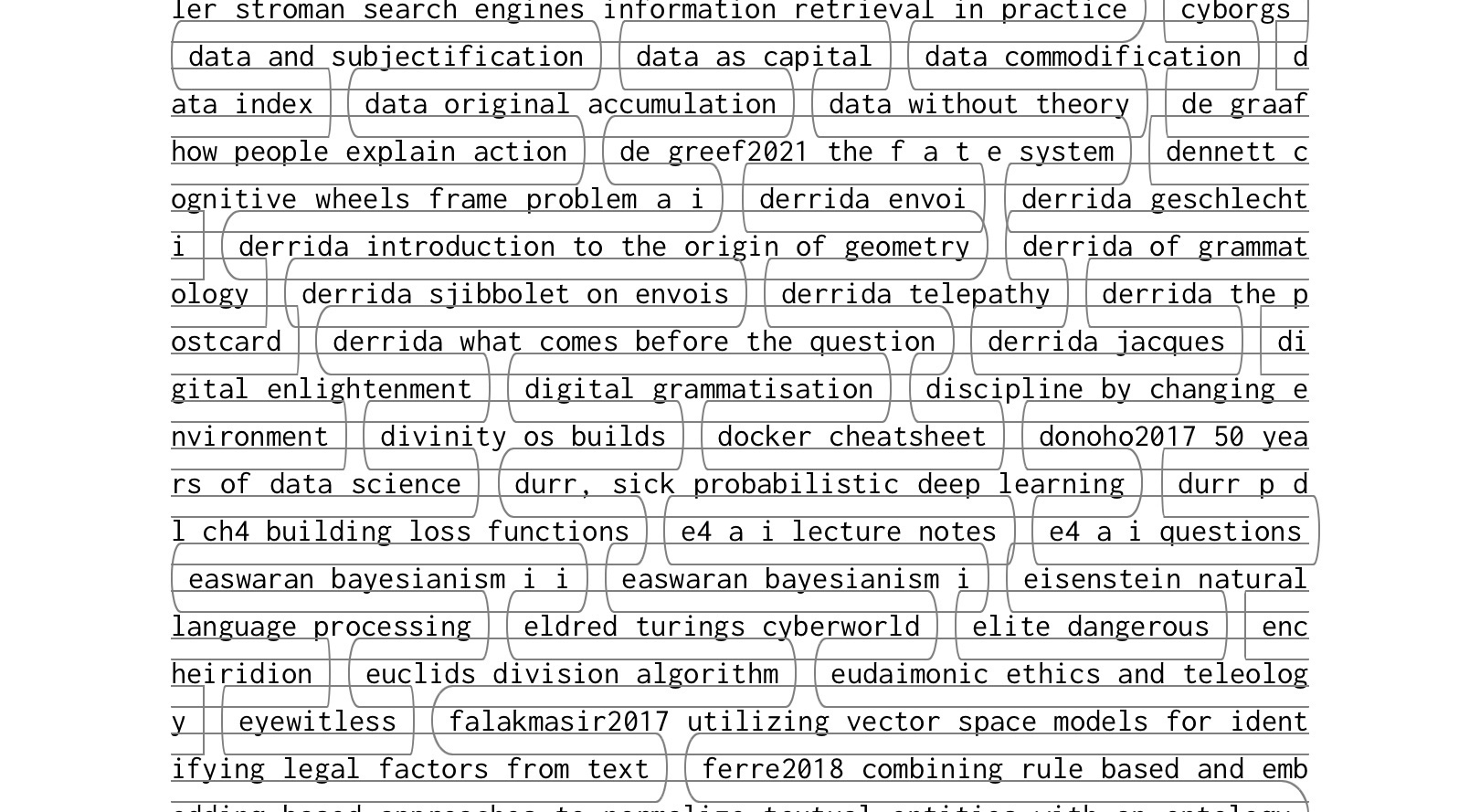
In his intriguing Zettelkasten, machine learning engineer Edwin Wenink has made 899 of his private notes public edwinwenink.xyz.
These notes are a constant work in progress and not necessarily intended for your reading. Nevertheless, I submit them to your “voyeurism.”
(HT: Annie)
And previously, Andy Matuschak has recommended working with the garage door up.
But where’s the limit?
Some sound advice from a less crazy time (two whole months ago): Write it Down | dansinker.com
Some say that due to AI, “the vast majority of human beauty that will exist has already been created”. I’m pointing out the opposite:
It’s a great time to be writing the future.
Why? Well, by nature humans innovate. Humans equipped with AI?
They just innovate harder.
Legendary computer game Myst started life as an interconnected network of cards in the equally legendary app HyperCard. To be precise, 1,355 cards in 6 HyperCard stacks.
Now, through graph analysis the last secrets of that network are finally being ‘deMystified’.
So many, many books I really want to read. Here are just a couple on this towering tsundoku pile:
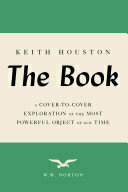
The Book: A Cover-to-Cover Exploration of the Most Powerful Object of Our Time by Keith Houston 📚
The Best of all Possible Worlds by Michael Kempe
An interesting Zettelkasten discussion.
malikalimoekhamedov.substack.com/p/bob-dot…
See also: my review of A System for Writing.
It's a great time to be writing the future
Writers are worrying about AI taking their livelihoods. But unless you were already writing like a robot, that’s not how it works.
Now is a truly fantastic time to be writing. The future is absolutely wide open for the first time in a more than a century. That’s because the idiom of the whole culture is transforming and it’s up to us to change it.
Just as no one these days writes like Jane Austen, or Thomas Hardy or Louisa May Alcott, in ten years time, no one will be writing the way we do now. Large language models (LLMs) have taken our entire idiom and trashed it. And that’s a good thing. Our prose, and therefore the prose of AI, sounds like it’s still living in the Twentieth Century. But it’s well past time for radically new ways of speaking, writing and therefore being.
The key driver is simply fashion. What seems amazingly cutting-edge today will rapidly go stale. AI prose (which imitates our older siblings) is about to taste like last week’s dinner.
But we’re not just dreaming of what comes after content - it’s also time to seize the means of containment.
Since AI is now providing all the ‘content’ the container industry can ever handle (i.e. all the content platforms without exception), we’re now free to make new human-shaped places beyond its reach.
We’re inventing both what AI can’t say, and where it can’t say it, so let’s go!
Five solutions to link rot in my personal note collection
Link rot on the Web poses significant challenges, which have prompted me to consider various strategies for preserving information, including summarizing sources, using archives, creating personal archives, accepting impermanence, and sharing knowledge.
Tame the chaos with just four folders for all your notes
Bob Doto’s A System for Writing recommends a structured Zettelkasten (note box) using four folders: In-box, Sleeping, References, and Main. With just these four you can manage your notes effectively and enhance the writing process.