💬 “There’s a left-field way of thinking about the world that doesn’t follow the straight path. The route forward doesn’t have to lead in one true direction but potentially many.”
Non-linear narratives inspire non-linear notes.
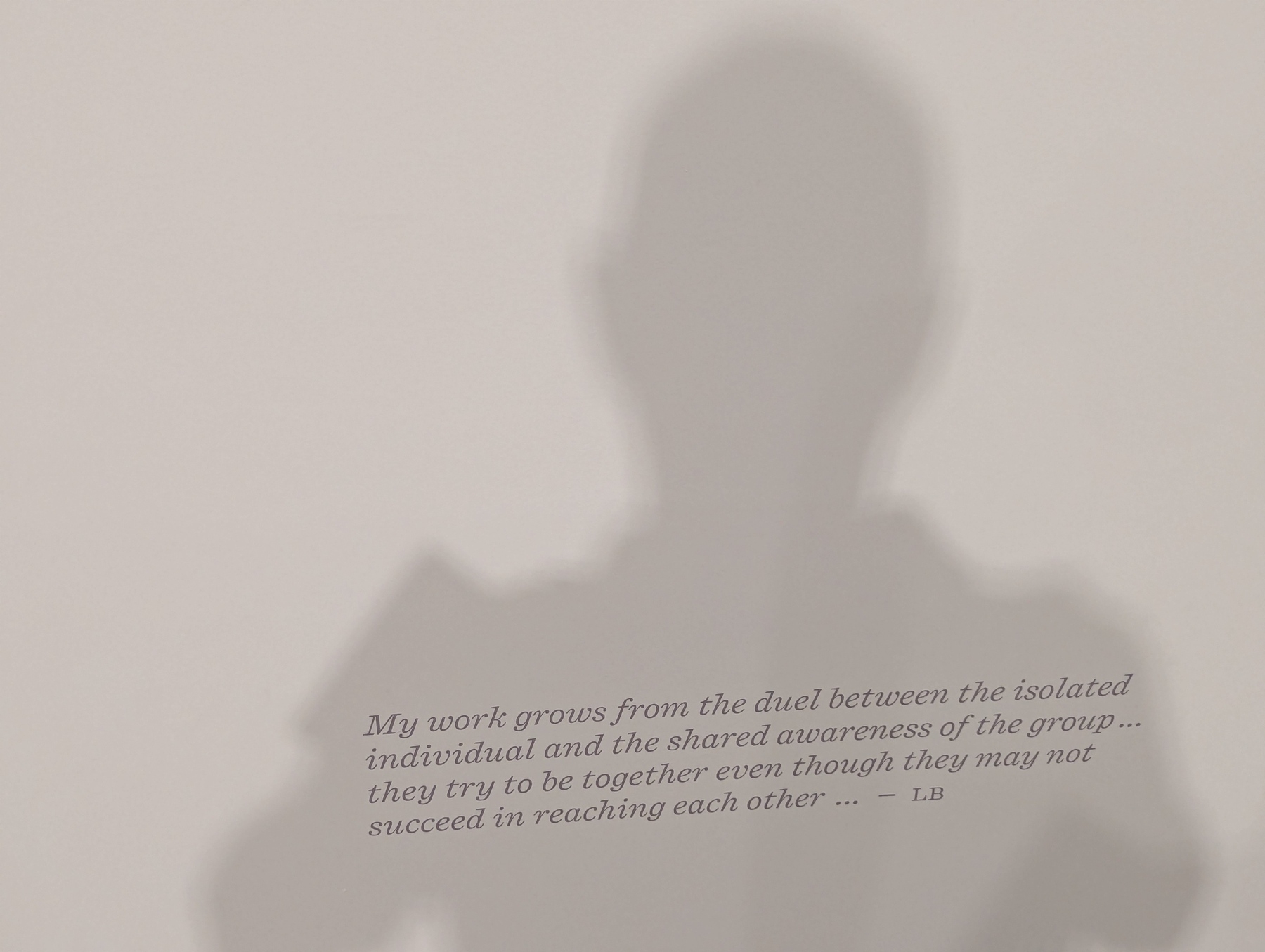
📷 Day 3: shadow #mbjune.
💬 “My work grows from the duel between the isolated individual and the shared awareness of the group.” - Louise Bourgeois, 1954.
See the whole photogrid.

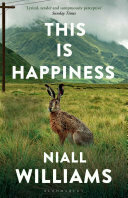
Finished reading: This Is Happiness by Niall Williams 📚
A shaggy dog story in the best possible sense. I re-read several passages to try to work out how the author achieved his almost magical prose. Friends who read it said they felt not much happened. I felt not much happened, miraculously.
What I've learned from non-linear narratives
Thoughts on how non-linear narratives have profoundly influenced my reading and writing practices, allowing for a more organic and interconnected approach to storytelling and knowledge creation.

When did you first hear about making notes the Zettelkasten way?
#pkm #zettelkasten #notetaking
Daniel Wisser’s notecards as art and archive
Daniel Wisser’s exhibition in Vienna features 60 index cards with sketches of stories displayed in a note box (Zettelkasten).
What Tim Berners-Lee Has to Teach About Effective Notes
Tim Berners-Lee’s insights on the interconnected nature of knowledge have inspired a flexible, web-like approach to note-making that mirrors my natural thinking rather than some restrictive categorization.
How I learned to make useful notes the Zettelkasten way
I encountered Niklas Luhmann’s sociological work in 1990 but only came across his Zettelkasten approach in 2007, thanks to historian Manfred Kuehn’s wonderful but sadly defunct blog Taking Note Now.
I gradually converted my existing personal wiki from then on, at first emulating Kuehn’s use of Connected Text an also sadly defunct app. So that’s 17 years and counting.
It has taken ages to get to a system that works well for me, but I think I’ve got there now. 🤞