Despite AI, the Internet is still personal
Blogging is great and it will never die. That’s why I keep coming back to it and you do too.
Dave Winer, the blogfather, once said:
“A blog is the unedited voice of a person.”
That’s a concept worth reconsidering in this age of AI ventriloquism. If I went in for tattoos, I’d have it inked in cursive writing on the back of my neck1.
Because online, in spite of everything, despite all the cynicism and exploitation, advertising and automation, I’m still looking for genuine communication. I’m seeking some kind of connection, some marker that says:
“I was here, and so were you.”
It’s the voice of a person connecting to another person. Not a machine, not an algorithm, but a person. A person with a body, not a corpus, not a pretence but a real presence.
But why keep doing it?
Here I present two good reasons that will cover many use-cases.
Publish to find your people
First, I keep coming back to it because blogging is a long-winded search query to find your tribe. It’s a calling card, many words long. The tldr; version of the message is:
Hardly anyone likes what I like, but that’s OK because now there’s two of us.
Austin Kleon drew my attention to this, so it must be true.
There might be a bit more to this, though. By publishing, you make something that never existed before. It’s not impossible that through it people might find themselves. I’m not saying every post is going to be a revelation. But in my experience the right word at the right time can work wonders. There are a few writers I feel like that about. Perhaps you know of some too.
Publish or be damned
Secondly, it’s a miracle that you can publish your unedited voice so easily. You’re a one person media company - and that’s amazing. When I think of all the functionality crammed into a blogging system like micro.blog, or Wordpress, or Substack, or even Blot or WriteAs, and how previous generations could hardly even dream of such publishing power, I almost feel a duty to make use of it. Imagine a time traveller recently arrived here from the past2 looking at us and saying, incredulously:
“So you can do all this at the press of a button, and what? Right now you can’t be bothered?”
That’s right. Sometimes I can’t be bothered.
And then the feeling passes.
A home to endangered pied oystercatchers. The city is just visible in the distance.
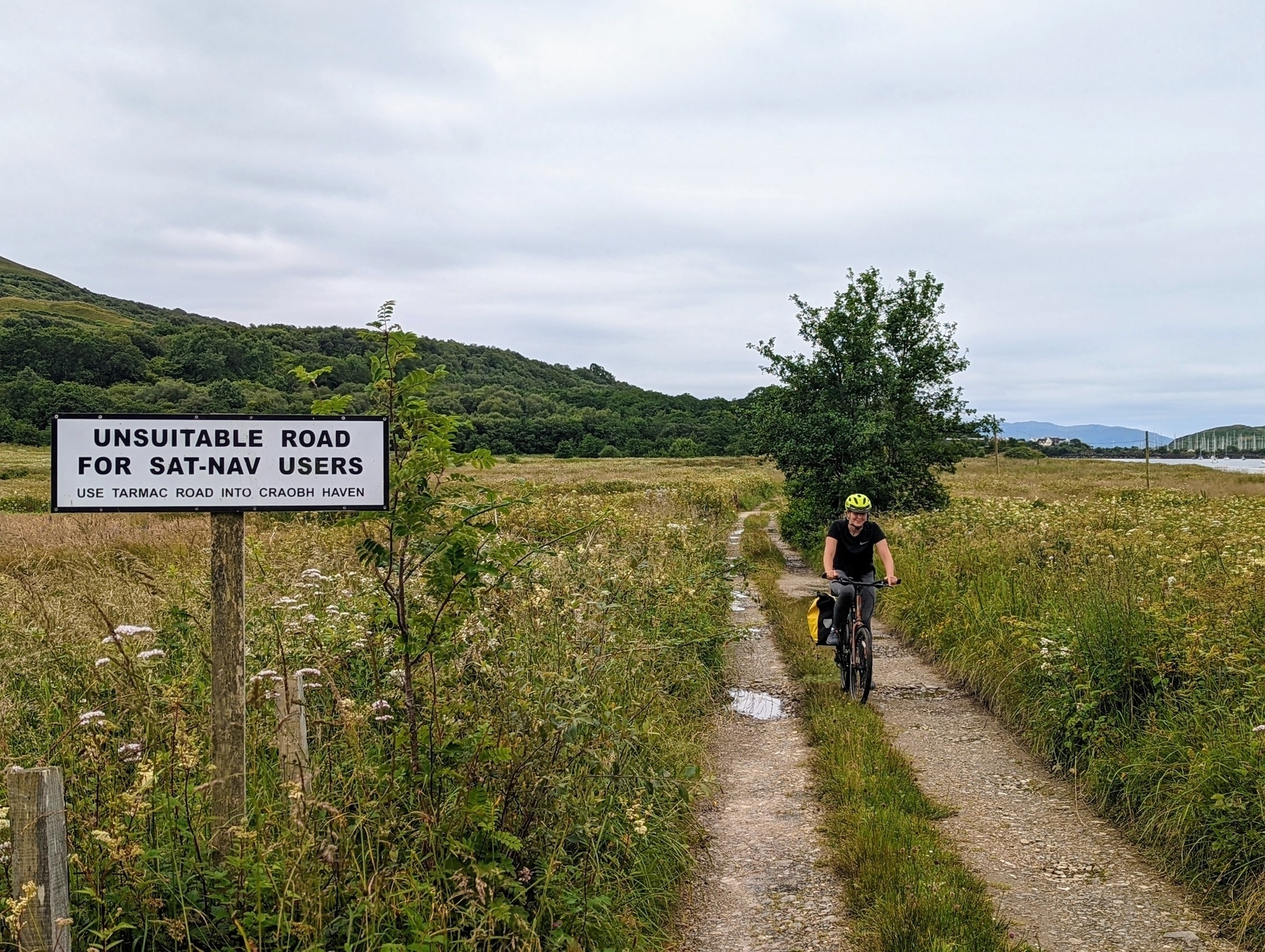
What I saw on my bike ride this moring - a view through the bird-hide window.
Footnotes
Finished reading Cold Enough for Snow
Finished reading: Cold Enough for Snow by Jessica Au 📚 This was a quite mezmerising read. It reminded me of the writing of Yasunari Kawabata, who won the Nobel Prize for Literature in 1968. He wrote a novel called Snow Country. Both these snowy books are set in an unnamed Japanese onsen resort in the winter, a train journey away from Tokyo. The Wikipedia entry for Kawabata’s work says:
Through many of Kawabata’s works the sense of distance in his life is represented. He often gives the impression that his characters have built up a wall around them that moves them into isolation… Kawabata left many of his stories apparently unfinished, sometimes to the annoyance of readers and reviewers, but this goes hand to hand with his aesthetics of art for art’s sake, leaving outside any sentimentalism, or morality, that an ending would give to any book. This was done intentionally, as Kawabata felt that vignettes of incidents along the way were far more important than conclusions.
All this qualities strongly apply to Jennifer Au’s book, too. But she writes about quite different themes, such as the relationship between mother and daughter, and the distance that accrues between second generation migrants and their parental place of origin.
I found the prose to be so understated as to be almost tedious, but then I found the narrator’s ‘vignettes of incidents along the way’ strangely engaging.
The coming ellipsis eclipse
Eclipse of the ellipsis: should you be worried?
Apparently, using an ellipsis marks you out as old-fashioned. I don’t know why. I suppose this is just the way fashions change. A newer, younger generation does things differently, and before you know it, that’s how things are done. The older people can’t keep up, or else don’t want to change, arguing that things were better in the old days.
So why not use an ellipsis? Well, what about the obvious reason: there’s no need to. Any sentence that previously would have ended with an ellipsis can now end with a full stop.
But here I should also mention that ending your sentences with a full stop is nowadays thought to be rude and abrupt, so I shouldn’t do it. Of course, all this punctuation advice is for ‘informal’ phone based writing like messaging and social media posts. Traditional writing can keep its traditional forms of punctuation. Except that people are decreasingly using anything other than phones, so traditional writing may be an endangered species.
So are we devolving into two forms of written speech? One for formal correspondence and long-form prose, the other for everything else? This may seem novel, but surely several languages have been quite successful with varying forms of writing depending on the circumstances. A famous example of a language that has multiple forms of written speech might be written Japanese, which has several different alphabets, to be used in different contexts. Another is Serbo-Croat (and maybe some other Slavic languages), which can be written in either the Cyrillic or Latin alphabets. (Or should I be referring to two distinct languages, Croatian and Serbian?) And then we rarely notice that in English we already use two fairly different character sets, depending on the context. Capital letters are written differently from minuscules, and you need to know both sets in order to write correct English. You might get away with only using capitals, but to the reader it usuallly comes across as too emphatic, or even ‘shouty’.
NO ENTRY. Works well in all-capitals.
I’M FEELING SAD. Doesn’t really work, it seems, except perhaps on Tumblr.
Nevertheless, we English speakers already use these two different forms of written speech, almost without noticing that we’re doing so. Must be horrible to learn, if this Latin script isn’t that of your first language.
Perhaps in future we’ll all become fluent in both writing and texting. Another possibility in the future, though, is that voice controlled text will become even more prevalent and writing will turn into nothing more than a transcript of spoken words. At this point, punctuation will become fully or mostly automated and we won’t need to worry about it. If this becomes the case, I expect the ellipsis to die out, and full stops at the end of sentences to continue, but automatically. When punctuation is automatic there are unanticipated consequences, though. For example, people now know whether you’re texting from the office (no automatic punctuation on the lap-top computer) or on the go (your mobile phone gives you punctuation by default).
It doesn’t bear thinking about…
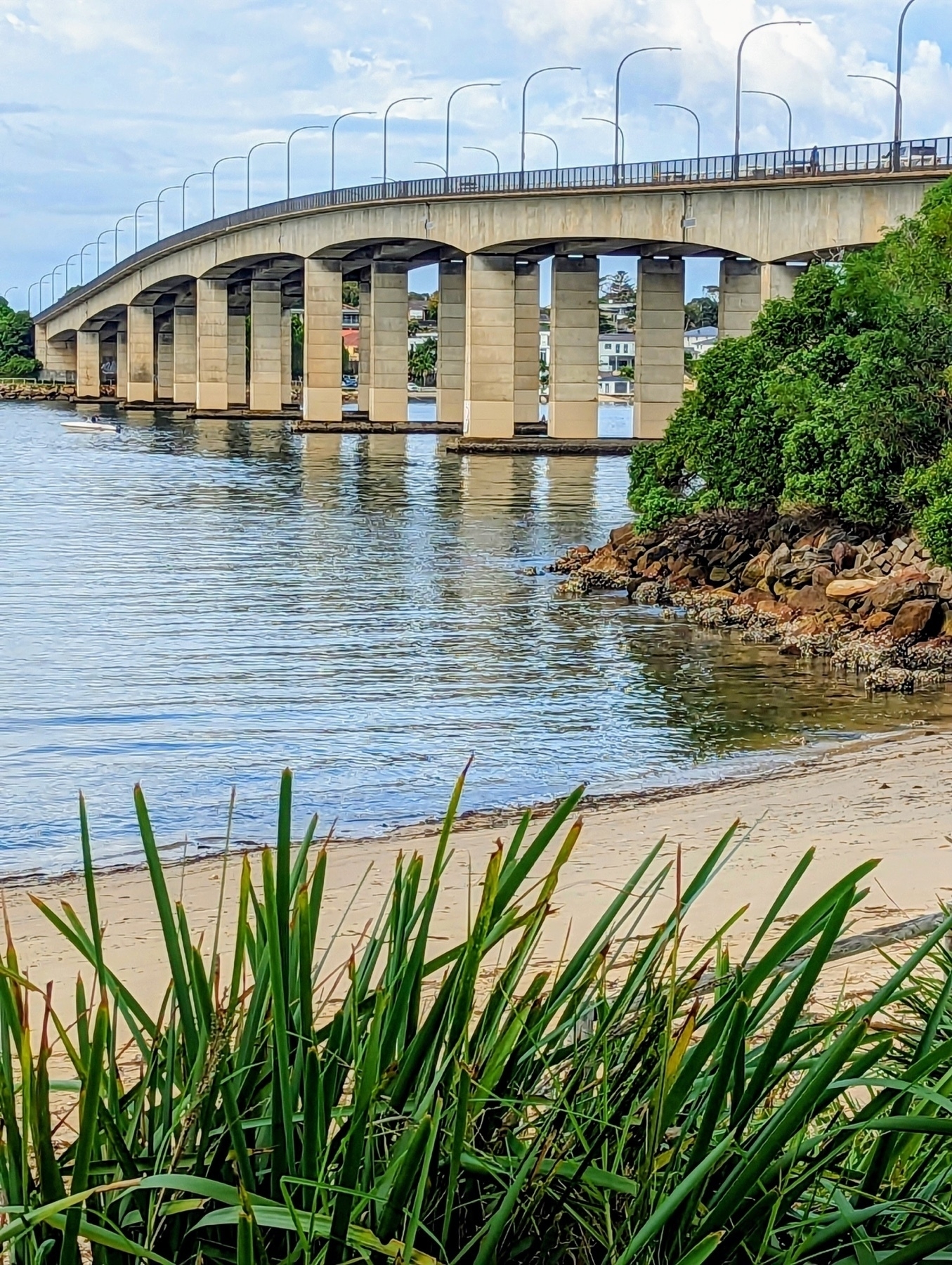
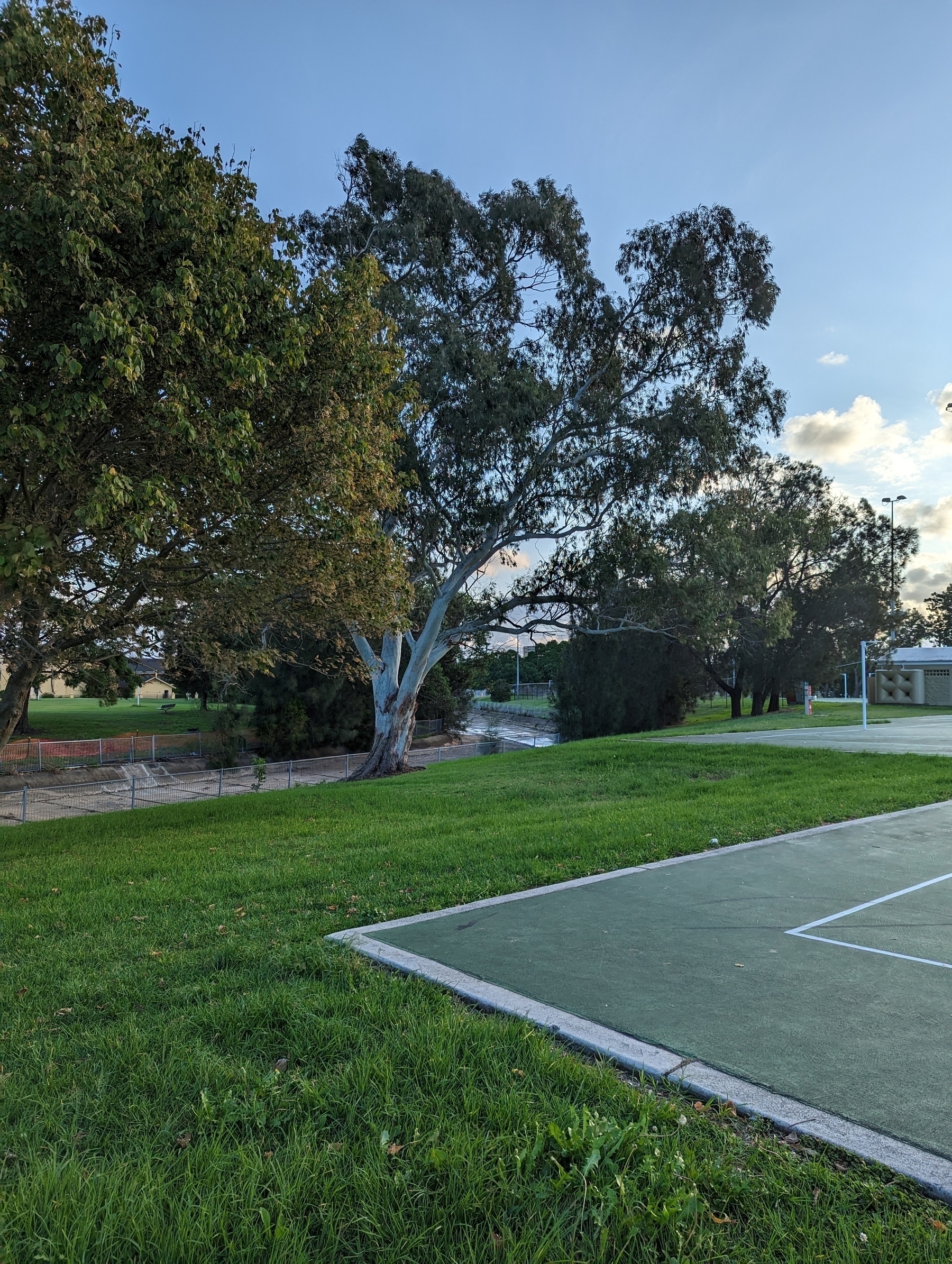
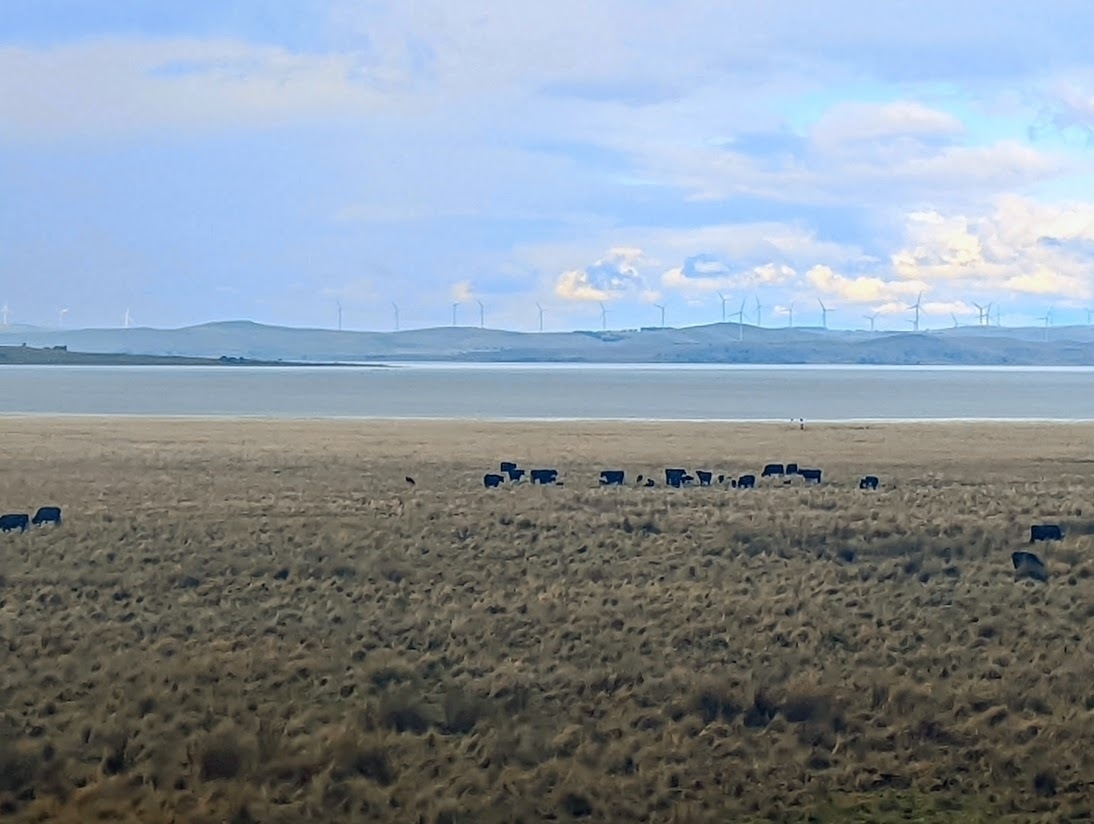
Here’s a photo of where I live. It wasn’t sunny today though. Today we had nearly 10cm of rain. In American units, that’s bucketloads.
Why I'm writing slowly
There’s an emerging movement in favour of ‘slow productivity’.
And writing is one of the best examples of the many benefits of hurrying slowly.
Successful writing doesn’t result from Herculean efforts to tally up mammoth word-counts, often at the last minute (although, if that’s your chosen path, good luck). The best and most sustainable writing takes place slowly and methodically. This is so despite the many voices telling you how you can ‘write a book in a month’, ‘write a book in a week’, or even ‘write a book in a day’. You can only do this if you write a lot, but without haste.
What works is to write slowly and consistently, so that the writing accumulates over time into larger and ever more meaningful pieces.
The English author of the Victorian age, Anthony Trollope, epitomised a slow but steady approach to writing. He produced a very significant output, including 47 novels, and is best known for a long series of novels centred upon the fictional county of Barsetshire. Yet he claimed never to write for more than three hours a day. In fact, while becoming one of the period’s most popular novelists, he maintained a full-time job with the Post Office. Because he had a workable method, he didn’t need more time.
And without developing a writing method that works, no amount of extra time will ever be enough.
If you don’t have time to keep up with all the posts on this site, why not subscribe to the weekly email digest?
Want to read: Pirate Enlightenment by David Graeber 📚
I’ve long been fascinated by the idea that piracy in the Sixteenth and Seventeenth Centuries included various forms of political experimentation. If piracy was a kind of organised crime, as Peter Leeson claims pdf, we might ask what the organisation entailed. Surely there’s more to it than a simply a series of experiments in contract theory (the ‘pirate code’). But calling piracy organised crime is a circular argument. Of course it was illegal, but very often pirates were doing what nations themselves sanctioned: comandeering enemy ships. The line between privateer and pirate was a faint one.
But for many of the poorest people, leaving home and joining up with the pirates would have been an attractive opportunity - the least bad option in some cases. Since there was nowhere in Europe that people could live free of despotic regimes, the high seas must have presented quite a few possibilites.
Certainly I’ve been suspicious of the designation ‘pirate’. It seems as much an excuse to torture and murder people who ask questions as the designation ‘witch’ has been. If you doubt that piracy might have been a convenient category to condemn your opponents, rather than an accurate description of their activities, consider this: the entire state of Texas was once condemned for piracy, having declared a republic independent from Mexico.
Besides the Republic of Texas, there were other experiments in nation-building, such as the Nassau pirate republic in the Carribean. But David Graeber writes of the fabled Liberalia, a semi-mythical location on the East coast of Madagascar, where pirates set up their own rule on land.
I think this matters because contemporary democracies are really nation states first, and only secondarily are they democratic. This priority, in my opinion, should be placed the other way round. Otherwise, state power tends to be defended, at the expense of democratic checks and balances. We need more democracy, not less. and this is difficult when the state sees itself as self-evidently right, whether or not it promotes democracy. As imprisoned Kurdish leader Abdullah Öcalan says:
“Our idea of a democratic nation is not defined by flags and borders. Our idea of a democratic nation embraces a model based on democracy instead of a model based on state structures and ethnic origins.”
The thing about advice is that people do what they want with it
Currently reading: Dancing with the Gods by Kent Nerburn 📚
I know nothing at all about Kent Nerburn, so it’s interesting to read this book of reflections on creative work.
I did notice, though, that the US version of this book has been re-named to: The Artist’s Journey: On Making Art and Being an Artist. This alternative title reminds me of the format of Rilke’s Letters to a Young Poet, in the sense that both authors offer reflections on their creative experience, having been prompted by a letter from a younger person, wondering about setting out on a career as an artist. The difference is that Rilke was rather young to be dishing out such ‘wisdom’, whereas Nerburn has lived a bit.
To be fair to Rilke, though, he didn’t seek out Franz Xaver Kappus, the nineteen year old military cadet who first wrote for advice when Rilke was only twenty seven. Nor did Rilke publish his letters of advice. They were only collected and published after his death, by Kappus. Nor finally was Rilke’s advice in any way arrogant. He said:
“Nobody can advise you and help you. Nobody. There is only one way—Go into yourself.”
Rilke’s advice didn’t make Kappus a poet. It didn’t make him abandon his military career. He was an officer for 15 years and fought in WW1. But Rilke surely helped make him a writer. Kappus wrote novels and screenplays and was a newspaper editor for many years.
That’s the thing about advice. People receive it and then they do what they want with it. Oscar Wilde said:
“I always pass on good advice. It is the only thing to do with it. It is never of any use to oneself.”
Though given his legal difficulties, perhaps he should have listened, just once.
More:
I finished Dancing with the Gods.
Can Rilke change your life?
Finished reading: Oh William! by Elizabeth Strout 📚 This was an intriguing character study. Lucy Barton, a successful but quite damaged author, really doesn’t know herself. And then just occasionally, there comes a flash of brilliant, sensitive insight. This novel builds on two previous books about Lucy and her family. It feels as though we’re circling back and learning more and more about her. The past is very present for Lucy. She’s unable to shake off the imprint of her impoverished childhood, her feelings of invisibility, and her lack of self-esteem. Throughout this novel runs the question of whether we can really make choices in our lives or whether we just ‘do things’, as Lucy’s ex-husband, William, claims. I felt William had made plenty of choices in his life, and was using philosophy to avoid taking responsibility for them. Lucy, on the other hand, struggles to make her own choices, and seems to settle for letting others make them for her. It’s all very poignant.
Can sentimental writing ever be as exact as reality?
Finished reading: The Forest of Wool and Steel by Natsu Miyashita 📚 There’s a section of the book where the narrator, an apprentice piano tuner, quotes a Japanese writer’s vision of what they’re trying to achieve:
“Bright, quiet, crystal-clear writing that evokes fond memories, that seems a touch sentimental yet is unsparing and deep, writing as lovely as a dream, yet as exact as reality.”
The piano tuner syas that this is what he wants for his own work. Of course this is implicitly what the author of the novel is seeking for their own writing, so it’s surely a little meta. Yet a sentimental style is by definition in tension with reality. If it wasn’t, it would be seen not as sentimental but as realism. The more sentimental the writing is, the less exactly it can describe the world. The great risk is that a writer who entertains sentimental writing may also forgive stereotype and cliche. There are times when this book rises above sentimentality, but not many times.
Big changes at writingslowly.com
New year, new website (backend)
It’s a new year, so it must be time for new web connections! Well, I finally decided to shift from a hosted Wordpress site to go all in on micro.blog.
It was fairly easy to migrate, just following the instructions. Things already feel easier and less complicated.
Why did I decide to make this change?
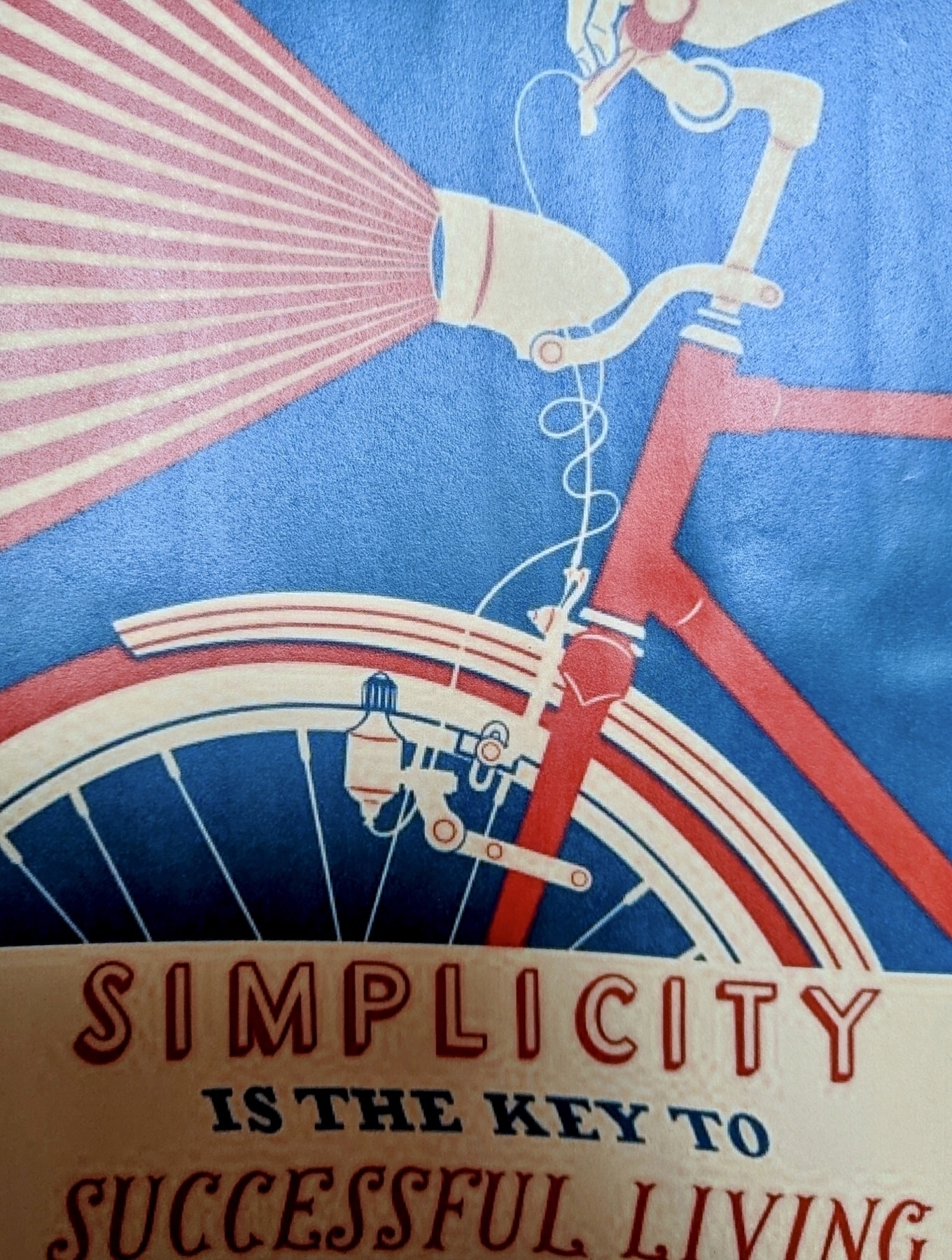
- I need a simpler system for online writing. It’s been clear for some time that Wordpress was holding me back. I know: “poor workers blame their tools”, and obviously there’s something wrong with me if I can’t just log in to Wordpress and write a line or two from time to time. But really, it felt as though the user interface was presenting a psychological barrier. Every time I logged in it seemed the WordPress UX had got more complex. Anyway, that’s my excuse. I’m hoping that a switch entirely to micro.blog hosting will help the writing to flow a bit better.
- I like the IndieWeb. Although I had some Indieweb plug-ins set up on my Wordpress site, it didn’t feel as though they were getting much use. The Musky shenanigans at Twitter have made it even clearer that independence on the web is essential and that the true social network is the web itself. Switching to micro.blog will hopefully connect me better, and if I ever change my mind, there’s no lock-in.
- Updating the app feels like a chore. When I checked my hosting dashboard it was clear that there were several insecurities caused by a lack of updating. I just hadn’t gotten around to it for ages. But really, I don’t have much interest in which version of PHP I’m supposed to be using, or what version the plug-ins are - so I’d rather not think about this side of things. If micro.blog can do this for me, I’m not complaining.
- I also quite like Mastodon. Micro.blog has a certain amount of compatability with Mastodon, through the activitypub protocol. So I plan to try that out.
- Writing in Markdown syntax has become more and more intuitive to me, despite its limitations, and I like the relative simplicity of static sites. Micro.blog uses Hugo as its site generator, so now I’m now using Markdown to create static pages.
Look, I’m not really complaining about WordPress. I like it, and Automattic isn’t Apple/Facebook/Google/Twitter/Amazon, so there’s that. If I had to choose a dictator to rule the world, Matt Mullenweg would be on my shortlist. It’s not Wordpress, it’s me. I’m ready for a change.
Writing about reading
Also, I’m making a commitment to writing about my reading in 2023.
I love reading. Each year I read about 30-40 books and this year I’ll be writing about it here. There’ll soon be a ‘reading’ category at the top of the webpage. Why am I doing this?
- for motivation, and
- to leave a record, sharing what I know and
- to encourage you, dear reader, to stop scrolling and go read a good book.
Micro.blog has a series of companion apps, one of which is Epilogue. You can set an annual reading goal and every time you blog about a title you’ve finished, your goal moves one step closer to completion.
Micro.blog also has some other great book-related features, including a handly bookshelf, and this is one of the things that made me want to switch.
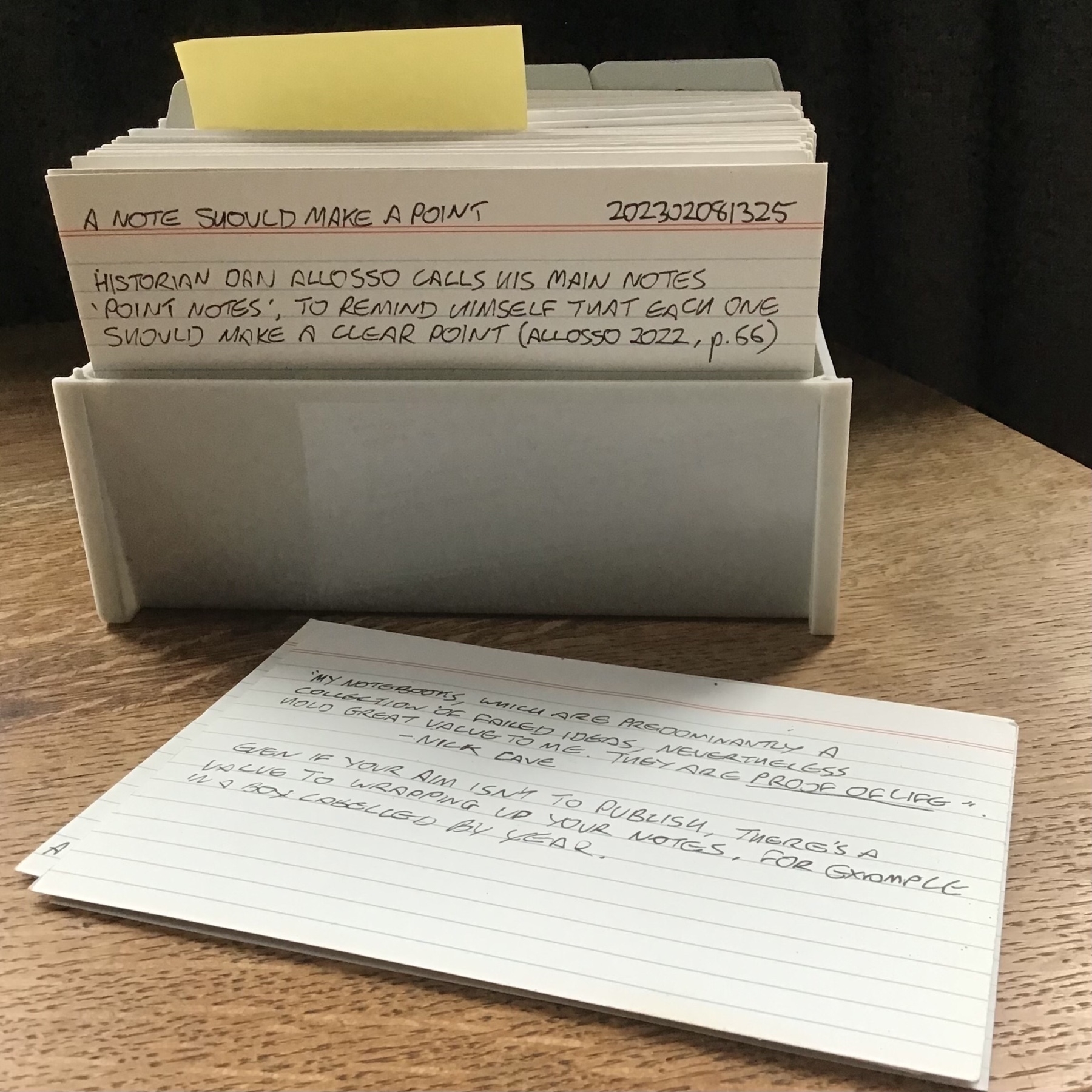
I keep a private TiddlyWiki Zettelkasten in which I already reflect on my reading, so the only real change is in making it public.
Don’t panic
So that’s what’s new. But don’t worry, whatever happens I’ll still be writing slowly.
The past is as urgent as ever
Finished reading: The War of the Poor by Eric Vuillard 📚
This incendiary novella - only 66 pages long - burns so fiercely it felt like a bomb was about to go off in my hand. With amazing economy the author, Eric Vuillard, brings to life the brief, violent career of Thomas Müntzer. He makes the past as vivid as an execution, and renders the urgency of the past fully present. The Peasants' War, so distant in time, is now.
“Müntzer is thirsty, hungry and thirsty, terribly hungry and thirsty, and nothing can sate him, nothing can slake his thirst. He’ll devour old bones, branches, stones, mud, milk, blood, fire. Everything.”
Gripping.
Visions of a utopian Middle Ages
Finished reading: Matrix by Lauren Groff 📚
I found this an intriguing, highly fictional reconstruction of the life of a medieval convent. The version of Marie de France presented here - visionary, heretical, fiercely compassionate - is certainly doing far more than just filling in the gaps in the historical record. The author makes her a really intriguing, though surely anachronistic, character. And in Lauren Groff’s Marie, there’s more than an echo of another medieval mystic, Hildegard of Bingen.
Although I fully approve of lesbian feminist seperatist utopias (which obviously hardly need my approval), I feel Groff has missed an opportunity here to present a politically pursuasive vision. In particular, why did Marie need to build a huge protective labyrinth around her convent, effectively cutting it off from the rest of the world? The medieval Beguine movement of female lay communities, was highly influential and highly urban. It’s an example of real-life utopianism that wasn’t disconnected from the rest of society at all.
Reading this novel has encouraged me to seek out the background historical research, The Care of Nuns, by Katie Bugrys.
My piano is a forest
Currently reading: The Forest of Wool and Steel by Natsu Miyashita 📚
I love the metaphor of the piano as a living forest, and I’m enjoying the journey of the diffident main character, Tomura, in his apprenticeship as a piano tuner. It’s certainly making me see my own piano in a new light.
What I learned from Austin Kleon about sharing what you know
Learning and sharing, sharing and learning. It’s a virtuous circle. That’s what I learned, and that’s what I’m sharing.
“it’s not about being credentialed or being an expert, it’s about seeing a space open up, starting to do work that needs doing, sharing your ideas, and sticking around long enough so people show up and you can interact with them in a meaningful way and build something lasting.” Austin Kleon
I think there are four levels of expertise, and everyone is potentially standing on one of these four steps:
- Learn - “Here’s what I’ve learnt.” Curator
- Share - “Here’s what I’ve found.” Expert
- Tell - “Here’s what I’ve done.” Mentor
- Be - “Here’s who I am.” Role model
When someone believes they have no expertise, that doesn’t mean they have nothing useful to say. We often learn best from those who are just one step ahead of us on the learning journey, so telling others, “Here’s what I learned today” may well be really helpful.
Without democracy, no true creativity
Finished reading: Against Creativity by Oli Mould 📚.
This is a critique of everything symbolised by Richard Florida’s Rise of the Creative Class (2002). Supposed individual flexibility, agility and dynamism are just a cover for the destruction of rights at work, leading to increased precarity. Capitalist creativity, in which everyone is supposed to see themself as a “creative”, is an attractive but empty rhetoric that increases the pressure to produce for exploitation. True creativity, on the other hand, involves “an emancipatory force of societal change” (p.46). The author points out that democratic governability is at best an afterthought, when it should be front and centre of consideration. “What if we asked one simple question before any new app, machine-learning algorithm, or smart city infrastructure were created: how can this be used and managed democratically?” (p.196).
The argument of this 2018 book is prescient in relation to the crisis of Twitter and the rise of Mastodon and the Fediverse in 2023. Could people really control their own communications channels, instead of letting petulent billionaires run everything (into the ground)? It’s too early to tell, but the signs are that there’s a new mood of discontent with “Big Social” and a search for more accountable alternatives. As Mould points out, the first step towards change is to start imagining how things could be different.
This book pairs well with Ariel Gore’s very different The Wayward Writer. Early on in this creative writing manual the author quotes Ursula Le Guin:
“We live in capitalism. Its power seems inescapable. So did the divine right of kings. Any human power can be resisted and changed by human beings. Resistance and change often begin in art, and very often in our art, the art of words.”
I'm now @Richard@mastodon.au - yes I joined Mastodon. There's an original idea. As though there aren't enough half neglected social media accounts in my life. Pretty sure my micro.blog account federates semi-automatically anyway, but haven't worked it out yet. Can someone please point me to a simple how-to article, I wonder?
Not thinking of writing a novel in November
Well, I didn't sign up to NaNoWriMo, where you undertake to write 50,000 words in a month. Partly, it's just not my way of doing things. I have recently completed a novel manuscript, which took longer than a month. But then again I also wrote a lot of other stuff while I was doing it. As previously mentioned, you can get a lot done while writing slowly.