quote
- Austin Kleon, interview on The Echoes Podcast, 10 June 2025.
What does it mean to transcend the rules?
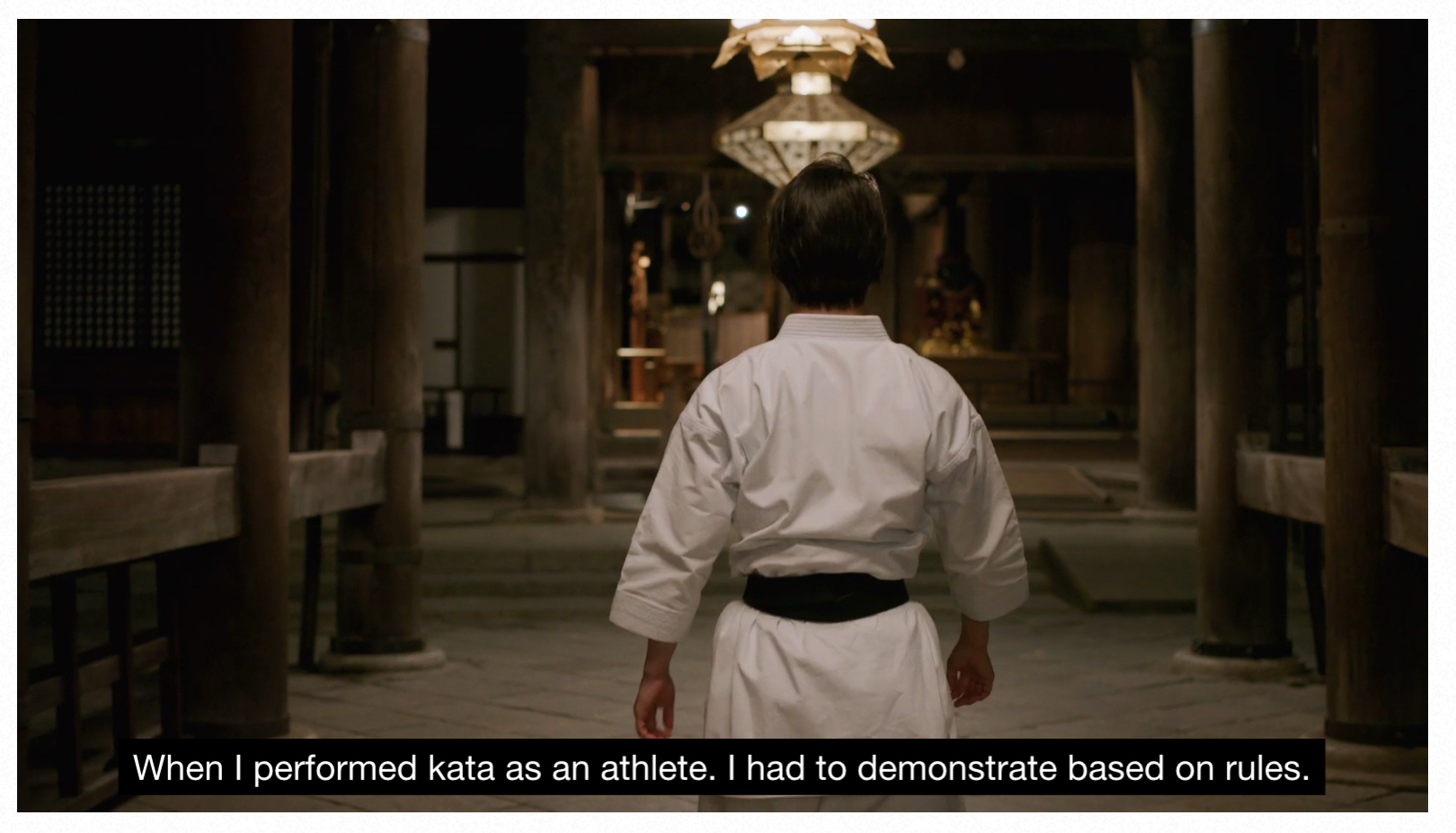
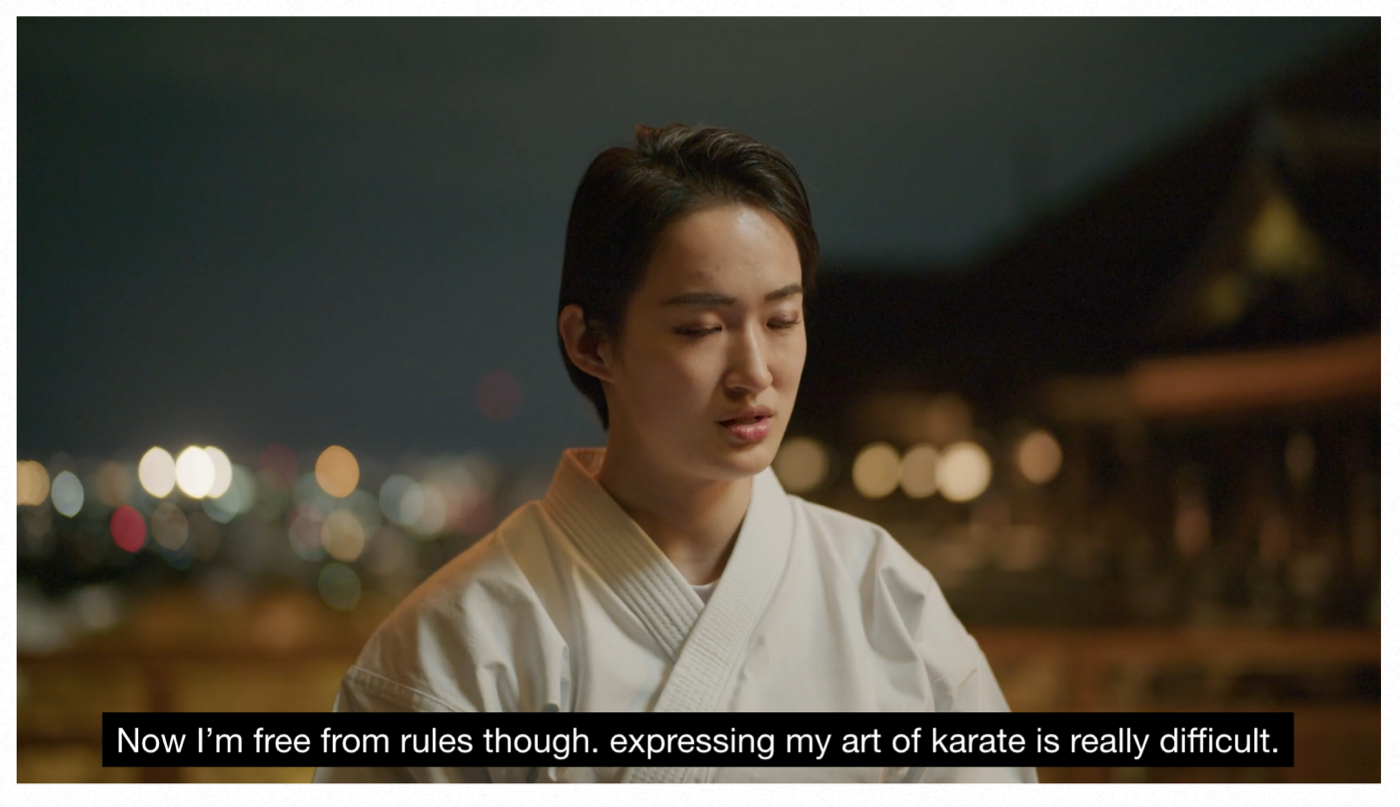
A martial arts dedication performed by Japanese karate practitioner Kiyou Shimizu at Kiyomizu-dera Temple, Kyoto.
This former world champion has retired from competitive karate, and is finding new ways to express her mastery of the discipline.
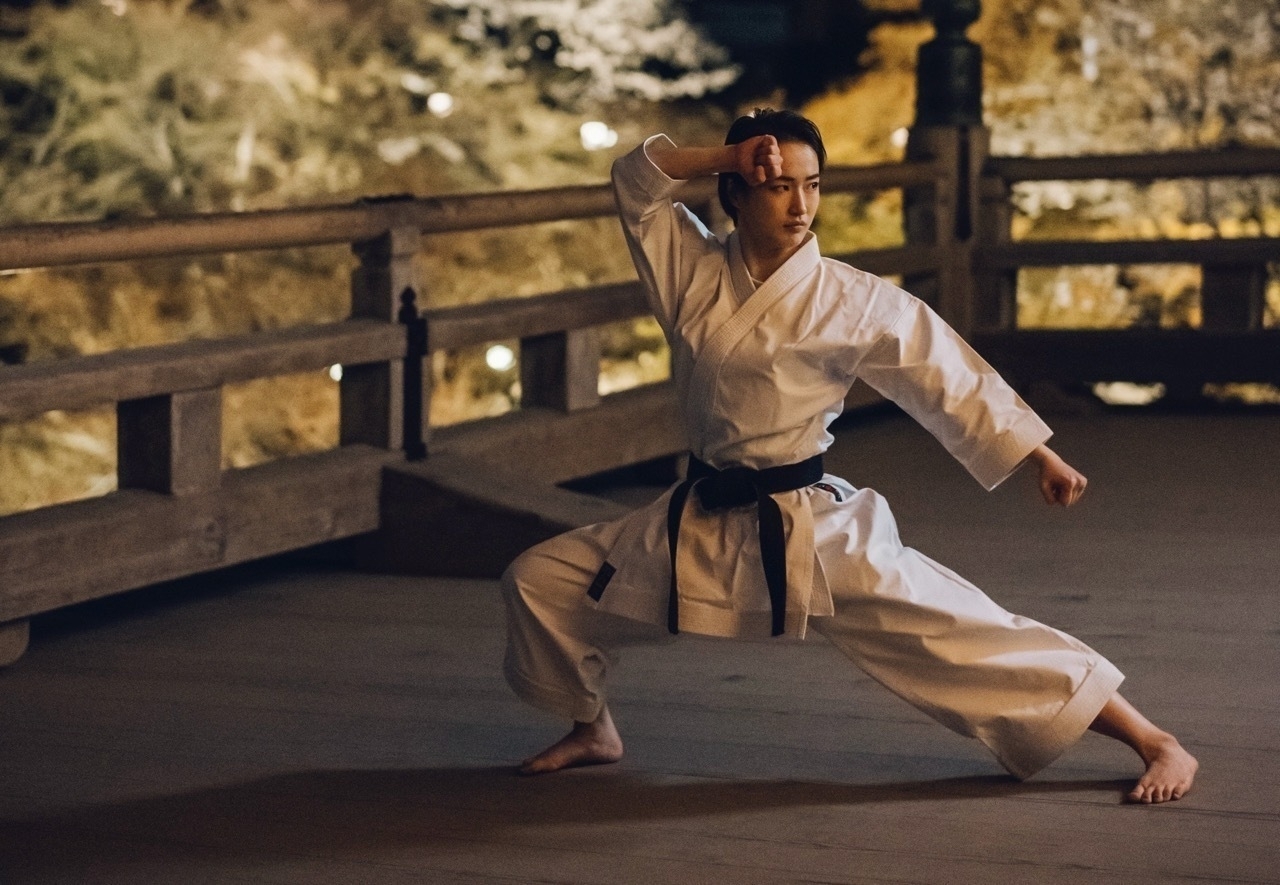
Watching this dedication reminded me of some words of the kabuke actor Nakamura Kanzaburo XVIII:
“You break the mold because there is a mold, and if there is no mold, you have no form.”1
I’m the author of Shu Ha Ri: The Japanese Way of Learning, for Artists and Fighters. It’s a short and accessible introduction to the concept, available now.
And if you liked this article, why not subscribe to the weekly Writing Slowly email digest?
#Shuhari #martialarts #karate #kyoto #kiyomizudera
“The creative life is not linear. It’s not a straight line from point A to point B. It’s more like a loop, or a spiral, in which you keep coming back to a new starting point after every project. No matter how successful you get, no matter what level of achievement you reach, you will never really “arrive.”” - Austin Kleon, Keep Going.
Is this daunting, or reassuring?
#shuhari #learning
If there's more than one way of seeing, there's more than one way of organising
💬 “Our eyes are built for two perspectives. During the daytime we rely on our cone cells, which depend on lots of light and let us see details. At night the cone cells become useless and we depend on rod cells, which are much more sensitive. The rod cells in our eyes are connected together to detect stray light; as a result they don’t register fine details. If we want to see something in bright light, we focus the image on the center of our retina (the fovea), where the cone cells are tightly packed. To see something at night, we must look off to the side of it, because staring directly at it will focus the object on the useless cone cells in the fovea. The way we see in bright light differs from the way we see in shadows. Neither is the ‘‘right’’ way. We need both.” - Gary Klein (2009) Streetlights and Shadows. Searching for the Keys to Adaptive Decision-making. Cambridge, MA: MIT Press.
On reflection, more can be said along these lines. Another way of looking at this ‘double perspective’ of human vision is to note that it constantly depends on some kind of accommodation between our two eyes working simultaneously and in concert.
So although vision is actually several processes taking place at once, we insist on perceiving it as one unified process. We can’t help it. We’re made to synthesize. But that doesn’t mean it is one process.
💬 On Notebooks and Thinking Better Thoughts
Once we’ve let our thoughts mature for a while, we’ll want to produce something for other people to look at, an artifact.
Exactly so.

As Alan Jacobs says, reading more books and reading books more - they’re not the same thing.
💬 “The things that make us different, in the right context are superpowers. You know, Saul Steinberg said the thing that we respond to in any work of art is the struggle of the artist against his or her limitations.”
This makes me feel like there’s an awful lot of wrong context lying about. I guess we all need to find a place where we can thrive, or else make it ourselves.
The original quote is from Kurt Vonnegut’s recollection of a conversation with Saul Steinberg.
#creativity #writerslife #deepthoughts #inspiration
💬 Most attempts at providing computerised tools for writers have thrown out the affordances that previous analogue systems offered, almost without noticing their loss. - writingslowly.com on Ted Nelson’s evolutionary list file.
“Sometimes it’s just nice to know there are other people out there quietly thinking things through.” - writingslowly.com
📷Photo challenge day 30: solitude.
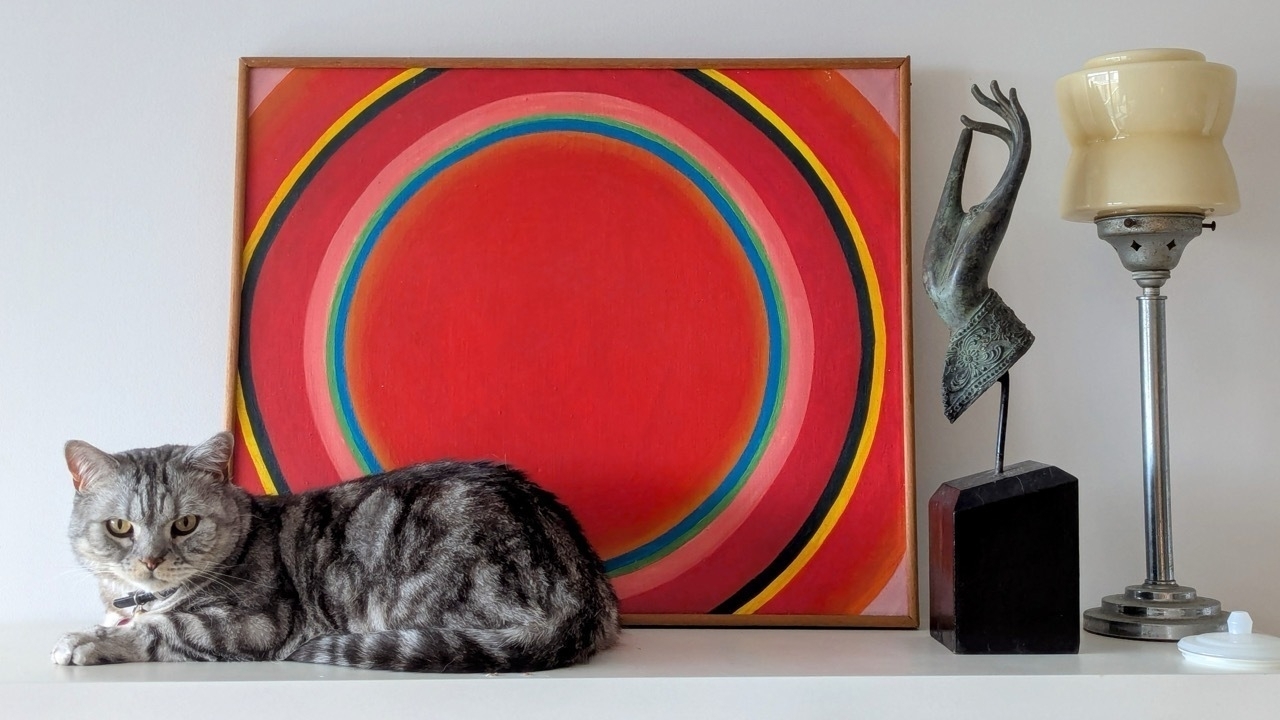
💬“I am the Cat who walks by himself, and all places are alike to me.” - Rudyard Kipling.
And there’s more solitude.
#mbjune
💬“In these unprecedented times, it’s more important than ever to find better ways to care for and love our neighbors,” - Mon Rovîa.
See also: Who says to care is to disobey?