photo
-
unless you’re actually a bot, scraping my voice to make scam adverts to send to my friends and family – in which case, my respect will be commensurately diminished. ↩︎
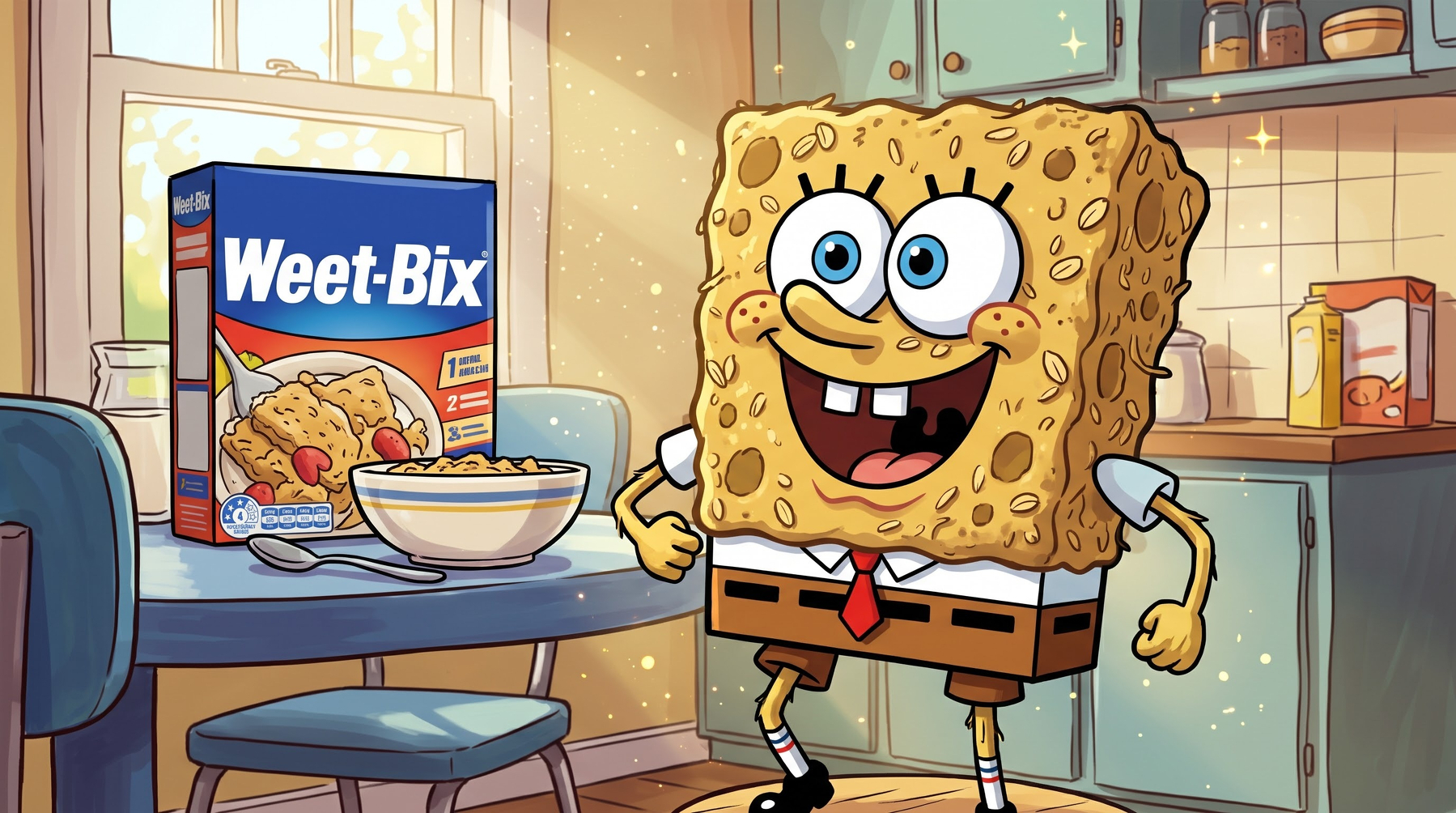
For years I thought SpongeBob was a talking Weet-bix. I couldn’t understand why he was celled SpongeBob or how he could live underwater without turning to mush. Clearly there’s something wrong with me. I bet you always just thought he was a sponge
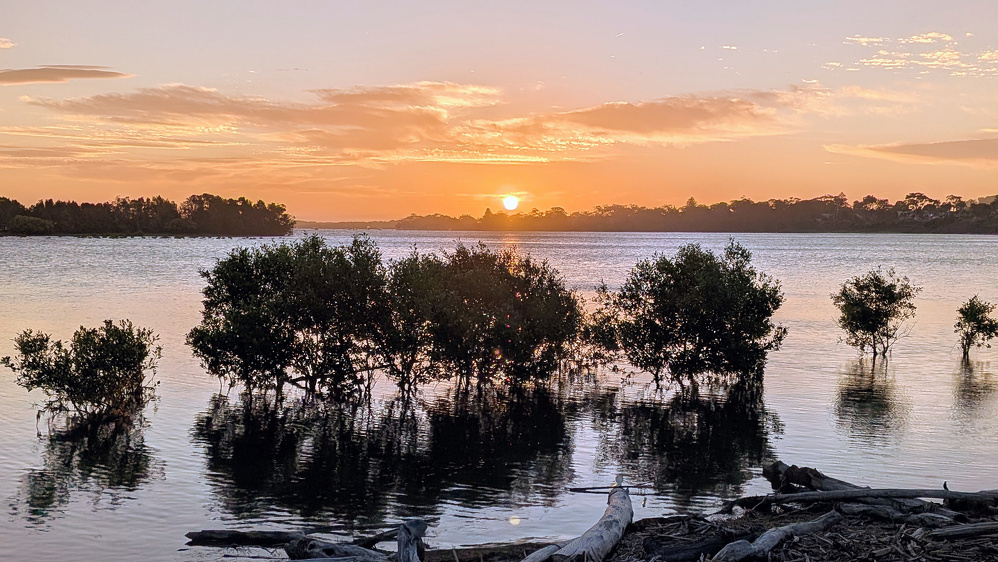
📷 Sunset at the mouth of the Shoalhaven River, NSW..
#photography #Australia #LandscapePhotography #Sunset
The swamp and the swamp monster: On seeing like a data structure
As human knowledge fragments into trillions of data-points hidden in unreadable databases, there’s a sense of something — legibility, coherence, correlation — dissolving or liquefying. In a very interesting article, [Fear of oozification], the consultant Venkatesh Rao, clarifies this process by naming it, and he charts a path to help us learn “how to stop worrying, and learn to love the ooze”.
Oozification? What are you talking about? Well, here’s Venkatash’s working definition:
“Oozification is the process of recursively replacing systems based on numerous larger building blocks, governed by many rules, with ones based on fewer, smaller building blocks, governed by fewer rules, thereby increasing the number of evolutionary possibilities and lowering the number of evolutionary certainties.”
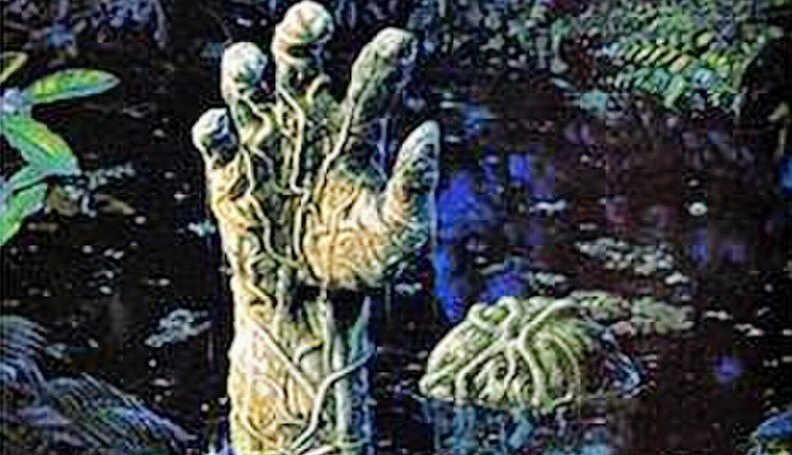
Oozification is an evocative but perhaps clumsy term. If you don’t like it, you can look at it another way: the triumph of data abstraction and indirection. The authors of another worthwhile article, ‘[Seeing like a data structure]’, offer a clear, practical illustration of the process:
Now you can listen to Writing Slowly
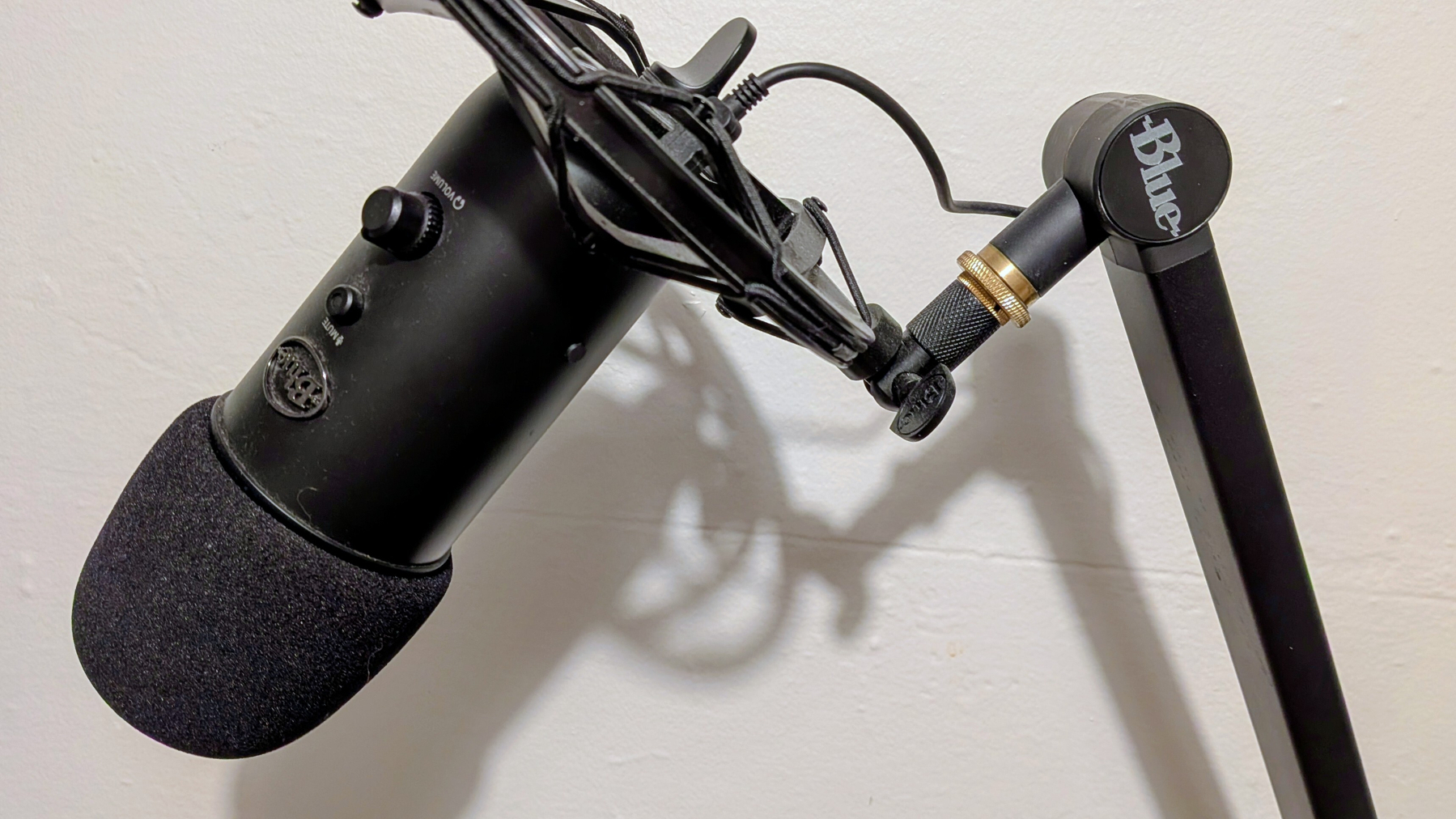
As attentive readers of this website will know, I’m happily using micro.blog as the site’s hosting platform. Micro.blog has a surprisingly wide range of features and it comes with several associated mini-apps, which provide easy access to those features. One of the apps is called Wavelength, and it has just been updated. This has inspired me, finally, to actually make use of it.
Wavelength makes it easy to edit and publish voice recordings and now with Wavelength I’ve been recording my voice, reading aloud a number of the longer articles on this site. So if you navigate to one of these posts (nearly twenty of them so far) you might find there’s now a little ’listen’ button, which will enable you to hear me speaking my own written words.
Why bother doing this? Well, so far it’s been quite fun, and you might just enjoy the opportunity to hear the person behind the writing.
I feel these days it’s more important than ever to lean into our own humanity. Sure, you can get a better, more professional experience elsewhere, enabled no doubt by AI automation and by the mimicking of human experience rather than the real thing. But as I’ve pointed out before, my range is me.
There’s an increasing amount of slop online and this is one small way to show my words are handmade and originated from a real person.
I’m celebrating the human touch and trying to respect you, dear reader, as a real person too.1
You’ll be relieved to know that while I might still insist on writing slowly, I speak at a reasonable speed.
So do let me know what you think, and whether I sound like you imagined I would. And if you’d like to subscribe to the weekly e-mail digest, there’s never been a better time to do so.
Talking of which, now would also be a pretty good time to check out my book, Shu Ha RI. The Japanese Way of Learning, for Artists and Fighters.
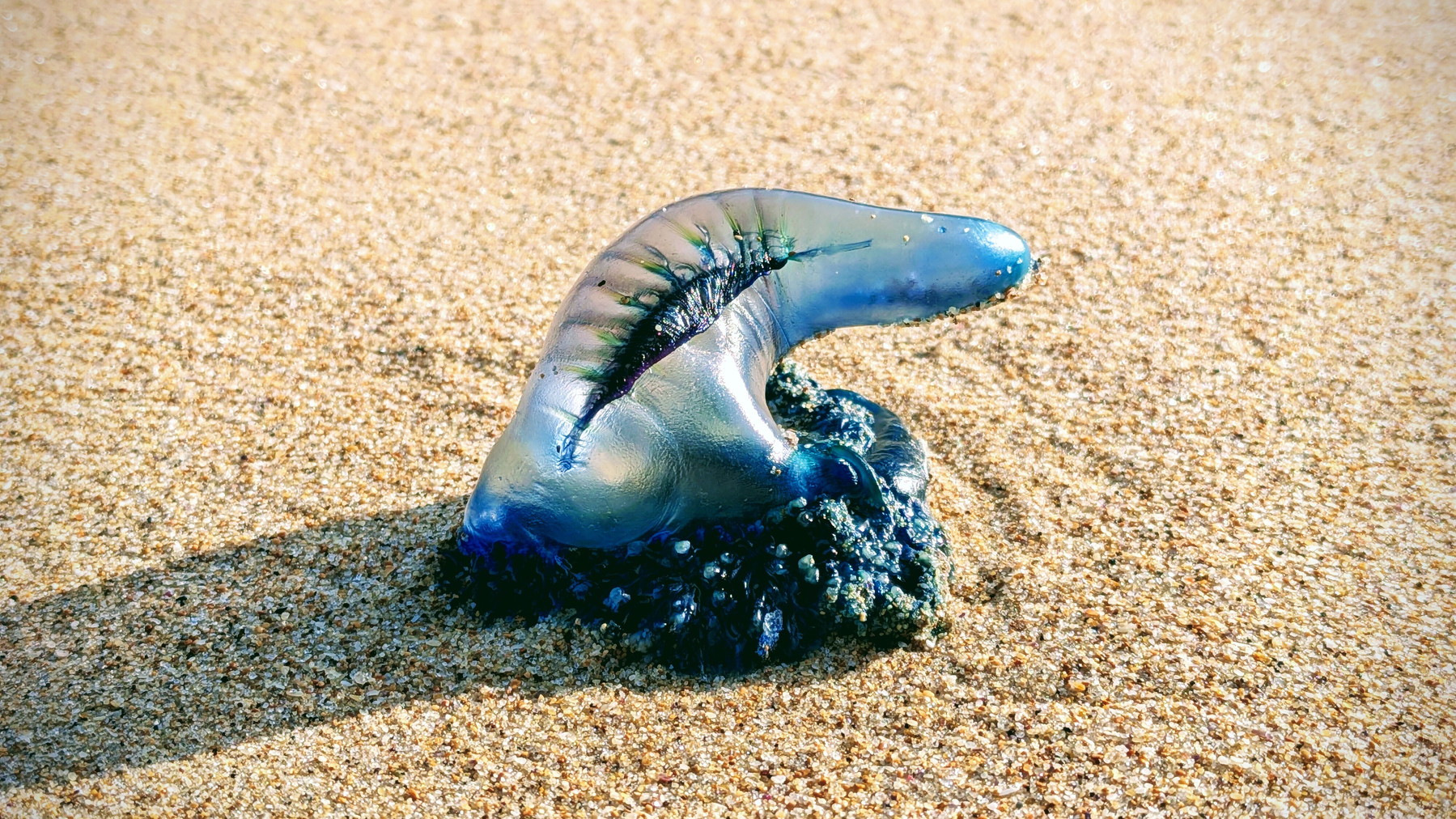
📷 A bluebottle (Physalia utriculus), washed up on the beach.
#photography #wildlife #Australia
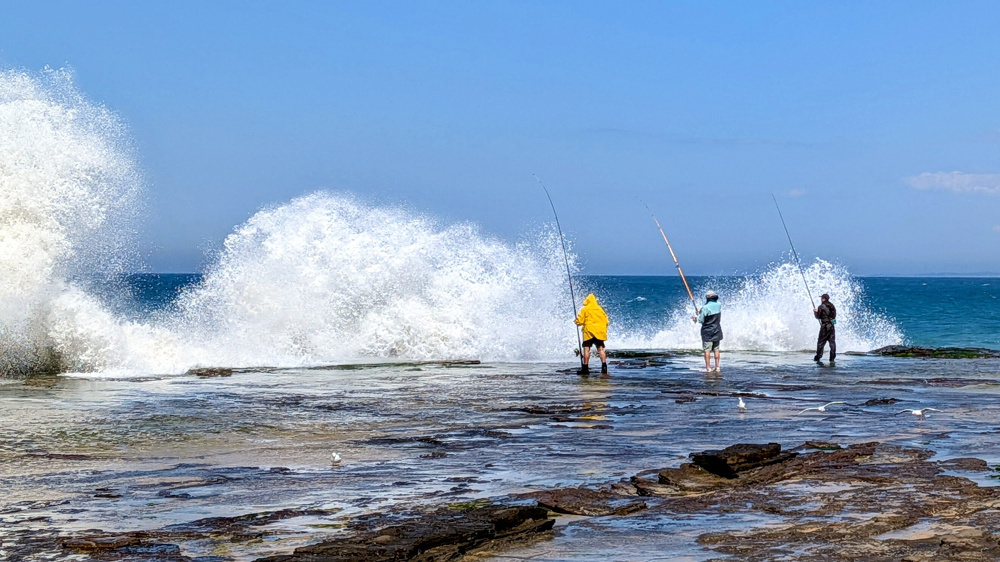
📷 Facing the wave.
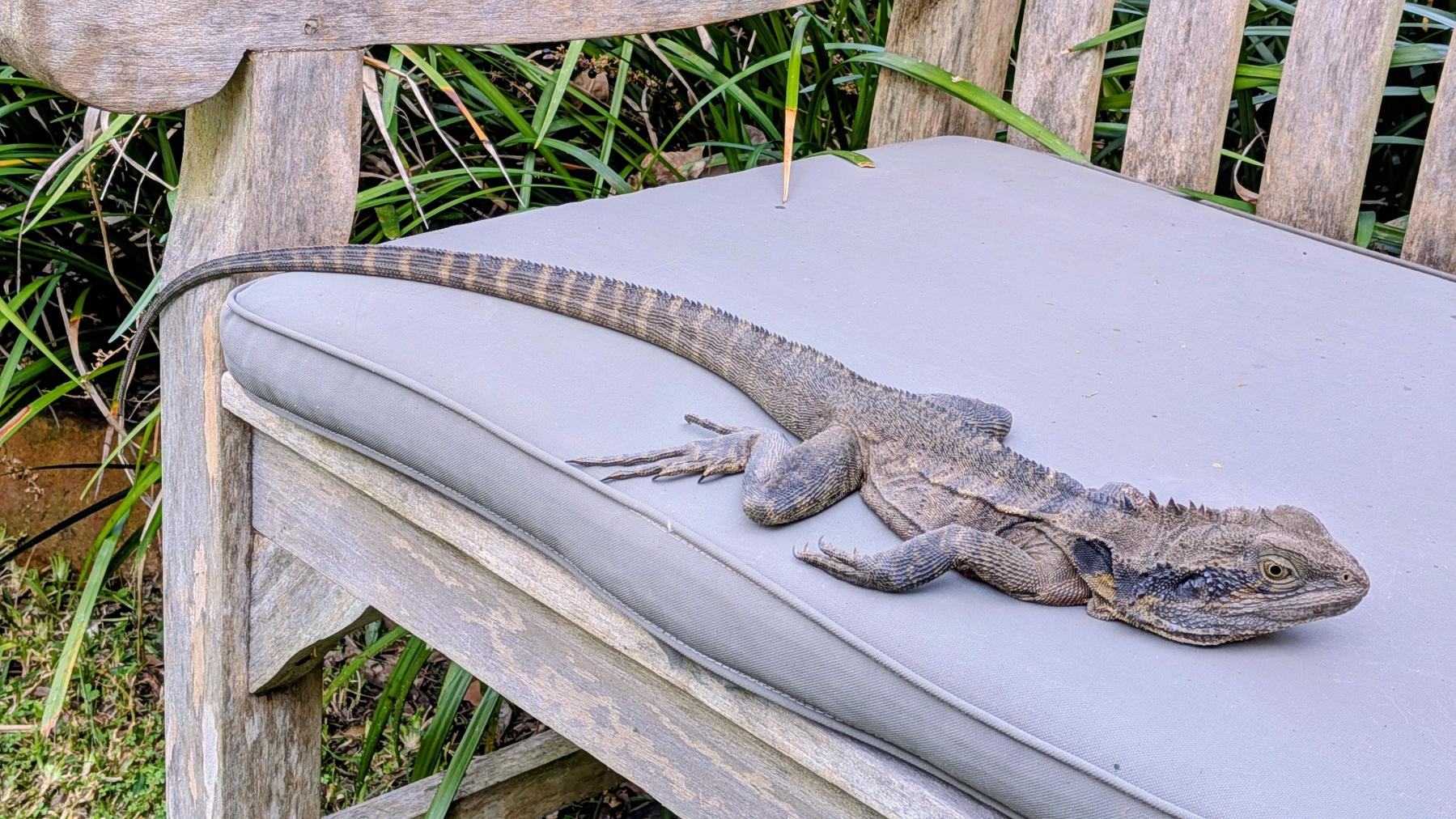
📷 Lounge lizard
📷 Late afternoon at the ocean baths.



Cockatoos? Five sulphur-crested cockatoos, foraging beneath the Norfolk Island pines of Botany Bay? Well, all right, if you insist.
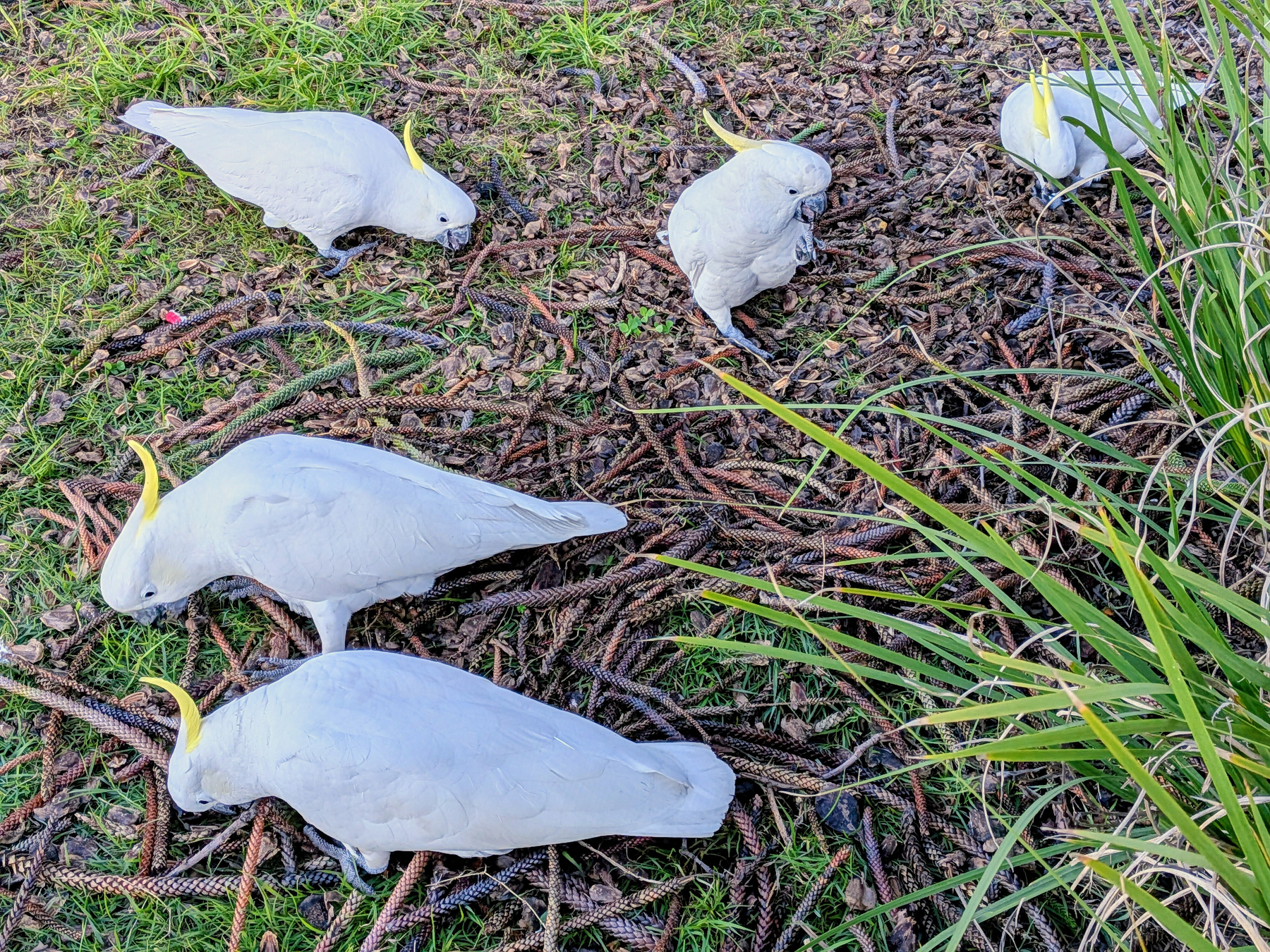
#BirdsOfAustralia #WildlifePhotography #FeatheredFriends