Atomic Notes
-
but don’t take my word for it, what do I know? Read the book and the close reading archive. ↩︎
Publishing slowly
I’m writing so slowly that you might be wondering if I’m ever going to get anything published.
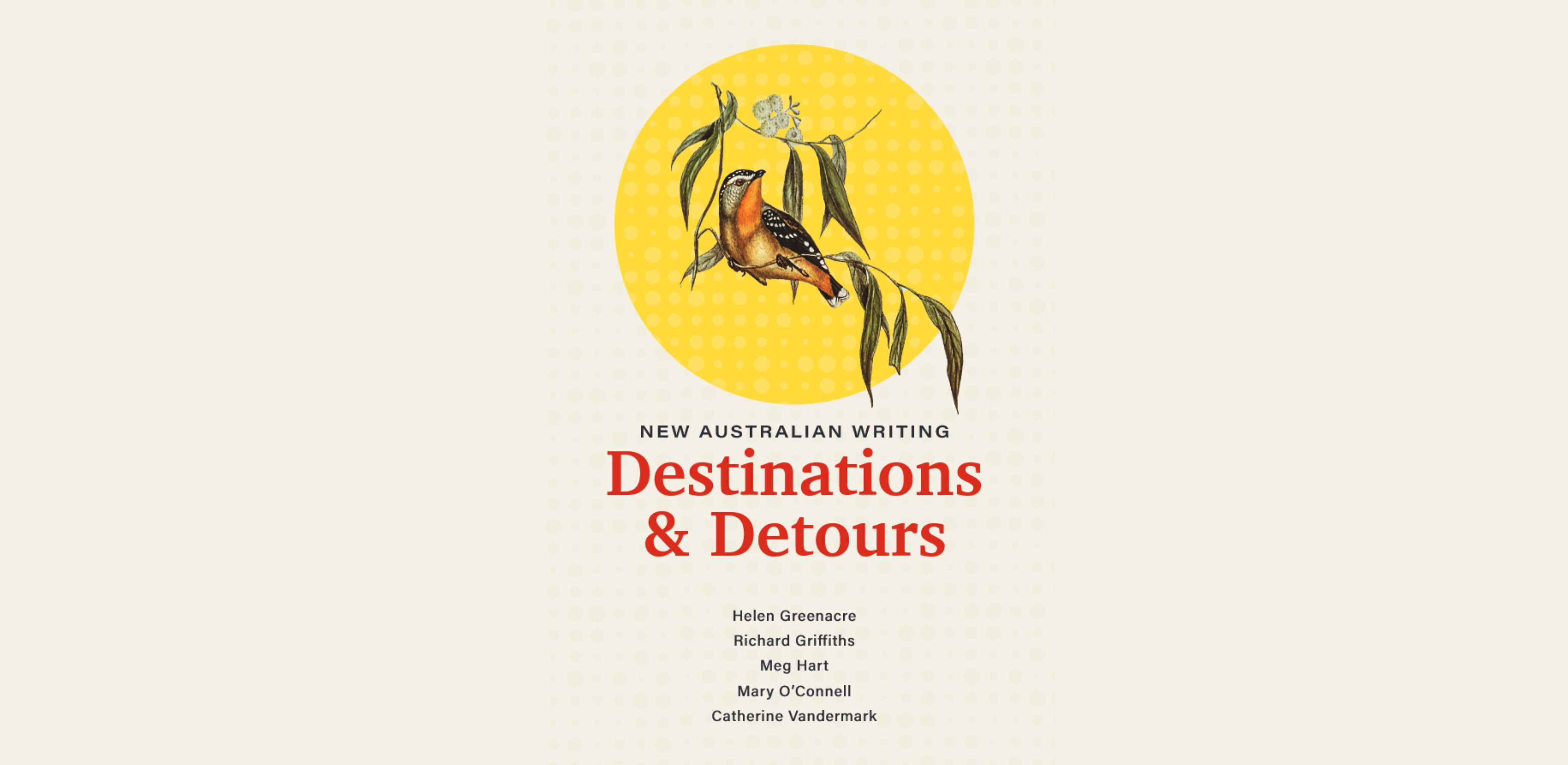
Well wonder no more. I’m happy to say extracts of my memoir, ‘The Green Island Notebook’ are published in the anthology Destinations & Detours: New Australian Writing.
Published by Detour Editions, the collection launches here in Sydney on Sunday 2nd March 2025, and if you happen to be in the vicinity, I’d be delighted to meet you in person.
Book Launch 2pm, Sunday 2nd March, at Randwick Literary Institute, 60 Clovelly Road, Randwick NSW
Watch out too for news of how you can get your hands on a copy, wherever in the world you find yourself.
And this isn’t the only news on the publishing front. I’ll be sharing details of some further publishing adventures very soon.
But don’t worry, whatever happens, I’ll still be writing slowly.
Update: Oh look, I wrote another book: Shu Ha Ri: The Japanese Way of Learning, for Artists and Fighters.
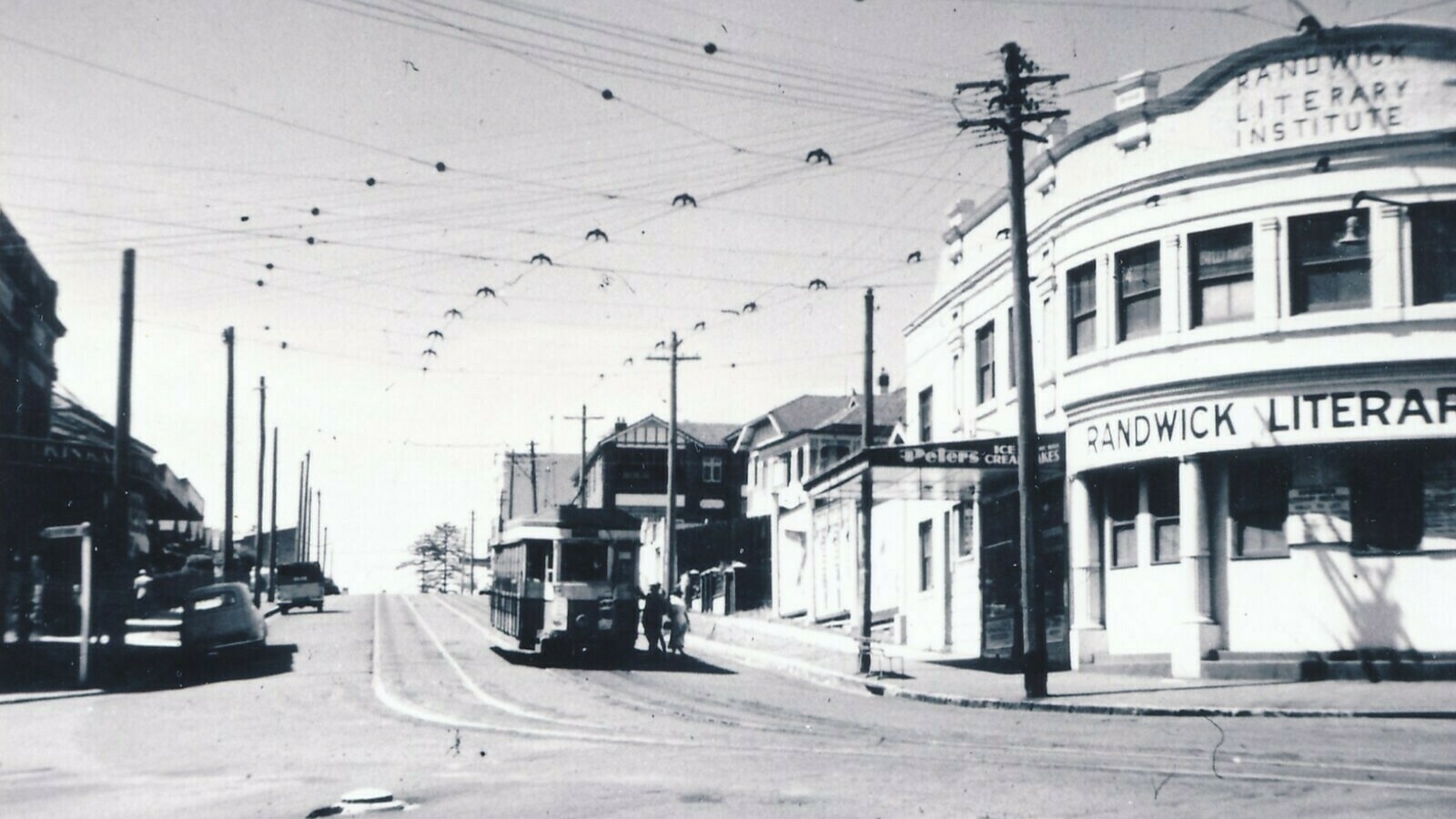
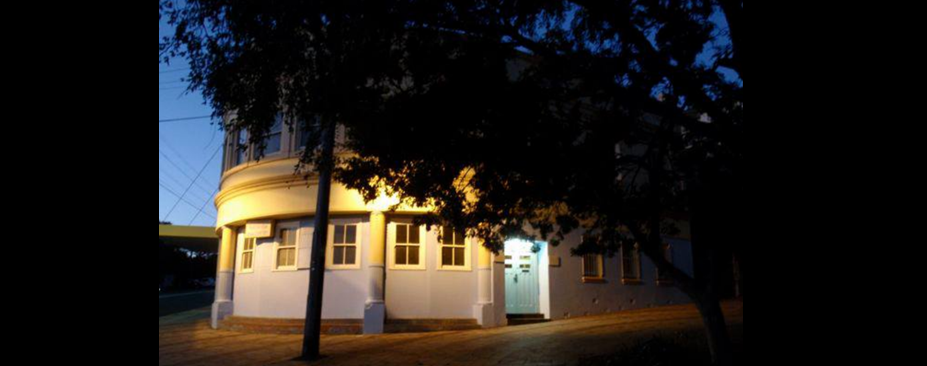
Randwick Literary Institute, the venue for our book launch, celebrates its 100th anniversary in 2025. Here it is in 1957, and it hasn’t changed much since then:
Subscribe to the Writing Slowly weekly digest (unsubscribe any time):
To care is to disobey
The book Pirate Care discusses how the act of caring for others has been criminalized, and it advocates for a grassroots political practice of solidarity against oppressive legal measures.
Making meaning where there is none
A quote by Italian author Roberto Calasso parallels the enigmatic environment of Piranesi’s world, in a novel where meaning is derived from seemingly disconnected elements.
Useful Australian software? You’re probably thinking of Canva or Atlassian. And who even knows WiFi is Australian? But my favourite Aussie tool by far is Sublime Text, also made… here in Sydney.
I use it to write my #zettelkasten notes.
James Doyle is a fan too: ohdoylerules.com, and there’s a great discussion on Hacker News.
Create a note system that indexes itself
Niklas Luhmann’s Zettelkasten system exemplifies a self-indexing record-keeping method. It allows efficient organization of notes through associative linking rather than through traditional indexing.
Semantic line breaks are a feature of Markdown, not a bug
The adoption of semantic line breaks in Markdown enhances clarity by encouraging writers to isolate each sentence while allowing for visually appealing paragraph formatting. It’s a superpower I didn’t know I had - until now.
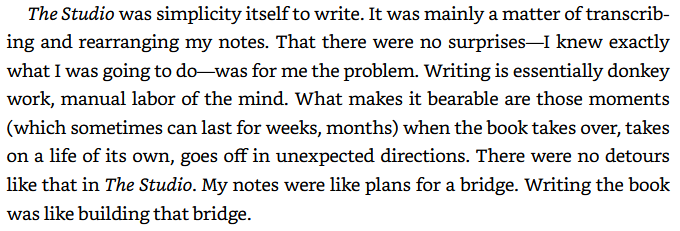
💬 “It was mainly a matter of transcribing and rearranging my notes… My notes were like plans for a bridge. Writing the book was like building that bridge.” - John Gregory Dunne, The Studio, 1968.
Maybe you can create coherent writing from a pile of notes after all. writingslowly.com

Maybe you can create coherent writing from a pile of notes after all
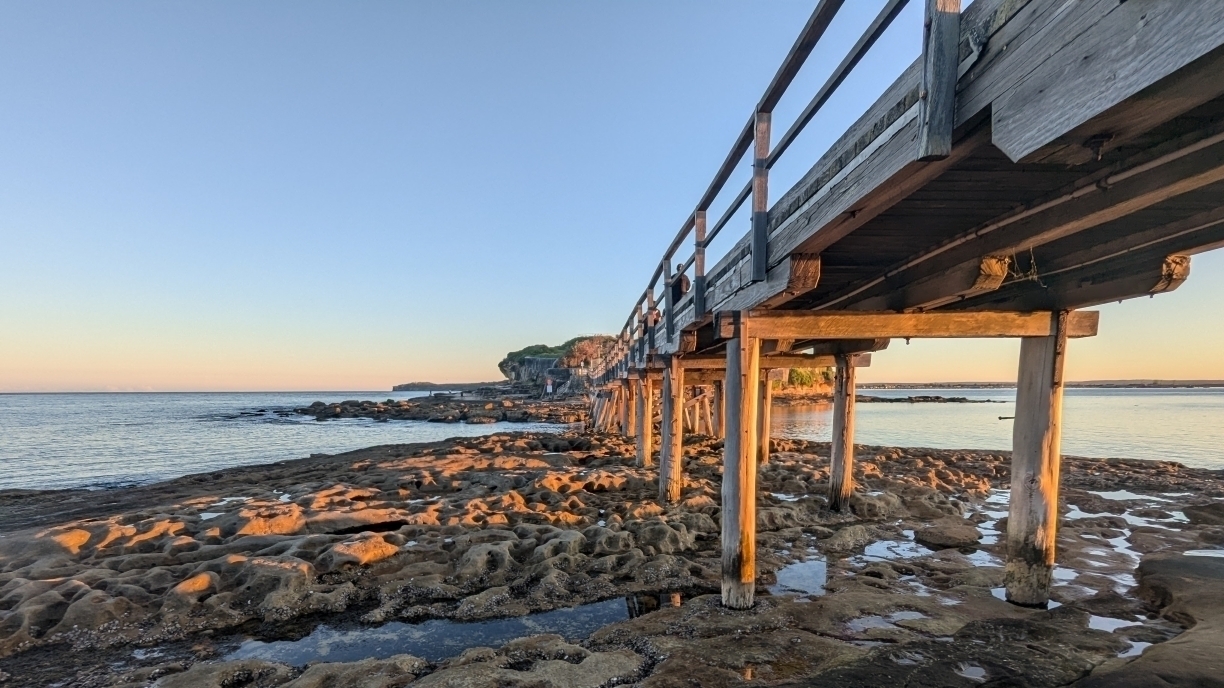
“My notes were like plans for a bridge”.
I’ve argued that you can’t create good writing just by mashing your notes together and hoping for the best. That’s the illusion of connected thought, I’ve said, because you can’t create coherent writing just from a pile of notes.
Well, maybe I was wrong.
Perhaps a strong or experienced writer can do exactly that. Here’s John Gregory Dunne, the journalist husband of Joan Didion, in the Foreword to his 1968 book on Hollywood, The Studio:
I imagine he wasn’t just a good writer, though.
Surely he was first a very good note-maker.
I’d like to hear about people’s experiences, good and bad, of using their notes to create longer pieces of writing. Was it like building a bridge, or perhaps like building a bridge out of jelly?

HT: Alan Jacobs, who draws a different but very valid lesson from the anecdote.
Stay in the Writing Slowly loop and never miss a thing (unless you don’t get round to opening your emails, in which case, yeah, you might miss a thing. Anyway:
Read better, read closer
For anyone seeking clues on better techniques for reading, Scott Newstok, author of How to Think Like Shakespeare, has created a marvelous resource: a close reading archive. Here is where all your close reading questions will be answered, including, what is it? how do you do it? what have people done with it? and does it have a future in a digital age?
Close reading is one of those two-word phrases that seem to take on a life of their own. Anyone connected to the humanities has probably heard of it, but it’s not necessarily well understood. Is it finished? Apparently not. Not at all.
Professor Newstok’s close reading archive is an openly available companion to John Guillory’s cultural history, On Close Reading, published January 2025.
Newstok is also editor of a book on Montaigne’s view of teaching, which is how I discovered Gustave Flaubert’s endorsement of what might perhaps be seen as a kind of close reading avant la lettre1:
“Read Montaigne, read him slowly, carefully! He will calm you . . . Read him from one end to the other, and, when you have finished, try again . . . But do not read, as children read, for fun, or as the ambitious read, to instruct you. No. Read to live.”
Now consider: three ways to make notes while reading.
For even more, please subscribe.