
Can you make tamagoyaki?
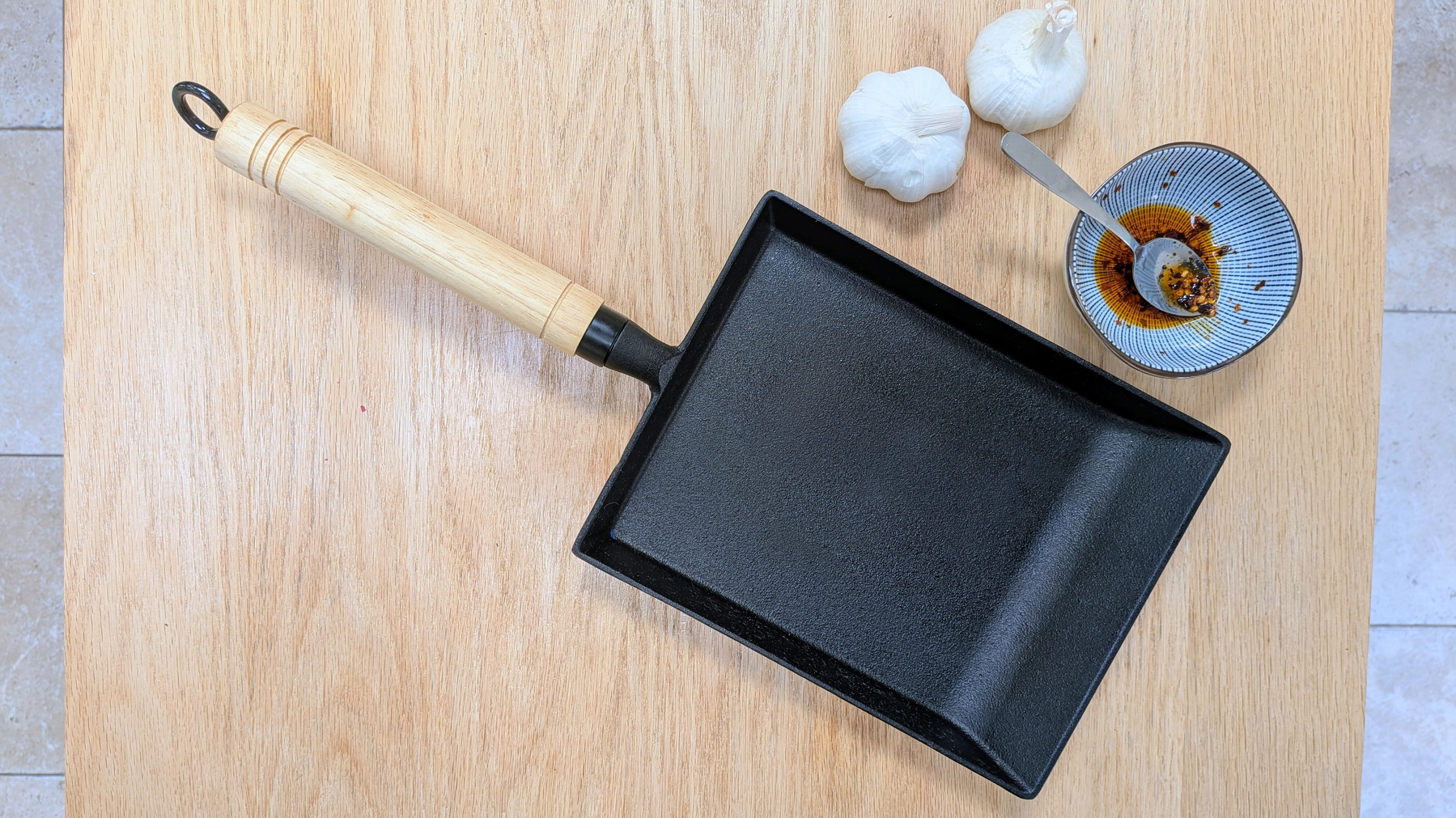
We have a rectangular Japanese-style omelette pan in our kitchen. These pans are called makiyakinabe (巻き焼き鍋), and they’re sometimes square rather than oblong, depending on which region they belong to. But just because we have one of these pans doesn’t mean we really know how to use it. This pan is typically used to make the Japanese rolled omelette, known as tamagoyaki, but you can also make dashimaki tamago with it, which is usually made with dashi stock, or usuyaki tamago, which is a thinner omelette, or iri-tamago, which is more like scrambled eggs.
There’s certainly a knack to making rolled omelette, Japanese-style. In Jiro Dreams of Sushi, the classic documentary film of a culinary obsession, Jiro’s apprentice, Daisuke Nakazawa, speaks of how he was required to make tamagoyaki two hundred times before Jiro pronounced it fit for serving to customers. He recalls how at last, after all this practising-to-make-perfect, Jiro called him ‘shokunin’, an accomplished artisan:
“When I finally did make a good one, I was so happy I cried. It was a long time before Jiro referred to me as a shokunin. I wanted to say, ‘You just called me a shokunin, didn’t you?’ I was so happy that I wanted to throw my fist into the air, but I tried not to let it show. That’s what you strive for after all these years."
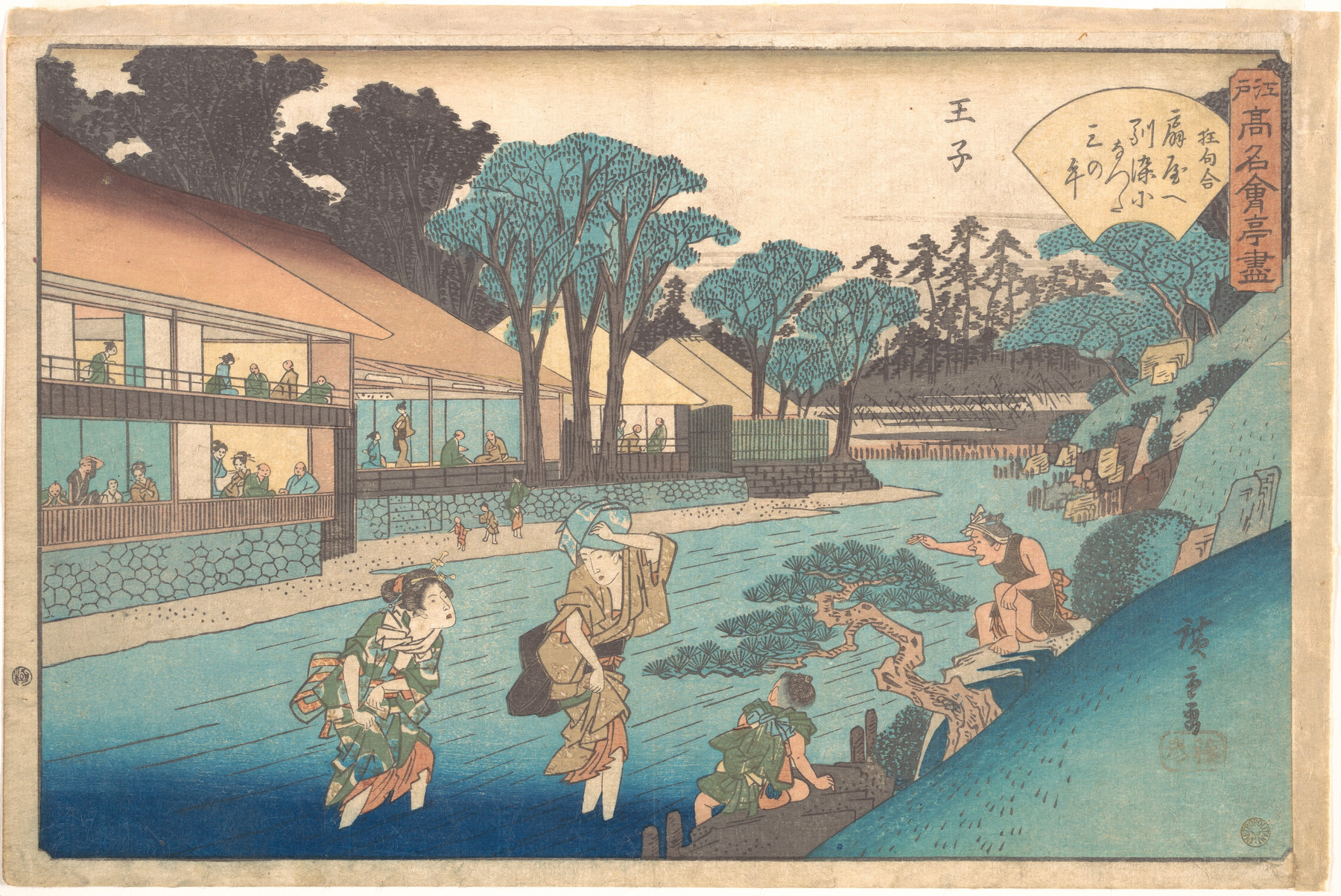
In this famous woodblock print from around 1835, Hiroshige depicted a riverside ryōtei (traditional restaurant), the Ōgiya, which was well-known for its tamagoyaki. Founded in 1648, the business still exists as a takeaway stall near Ōji Station, run by ‘15th generation owners’.
Watch a clip of Daisuke Nakazawa describing his journey to becoming a shokunin, while cooking tamagoyaki.
And here’s a short video showing how to make dashimaki tamago.
Further reading:
The heart of the craft: an encounter with the spirit of Shokunin
I’m the author of Shu Ha Ri: The Japanese Way of Learning, available now.