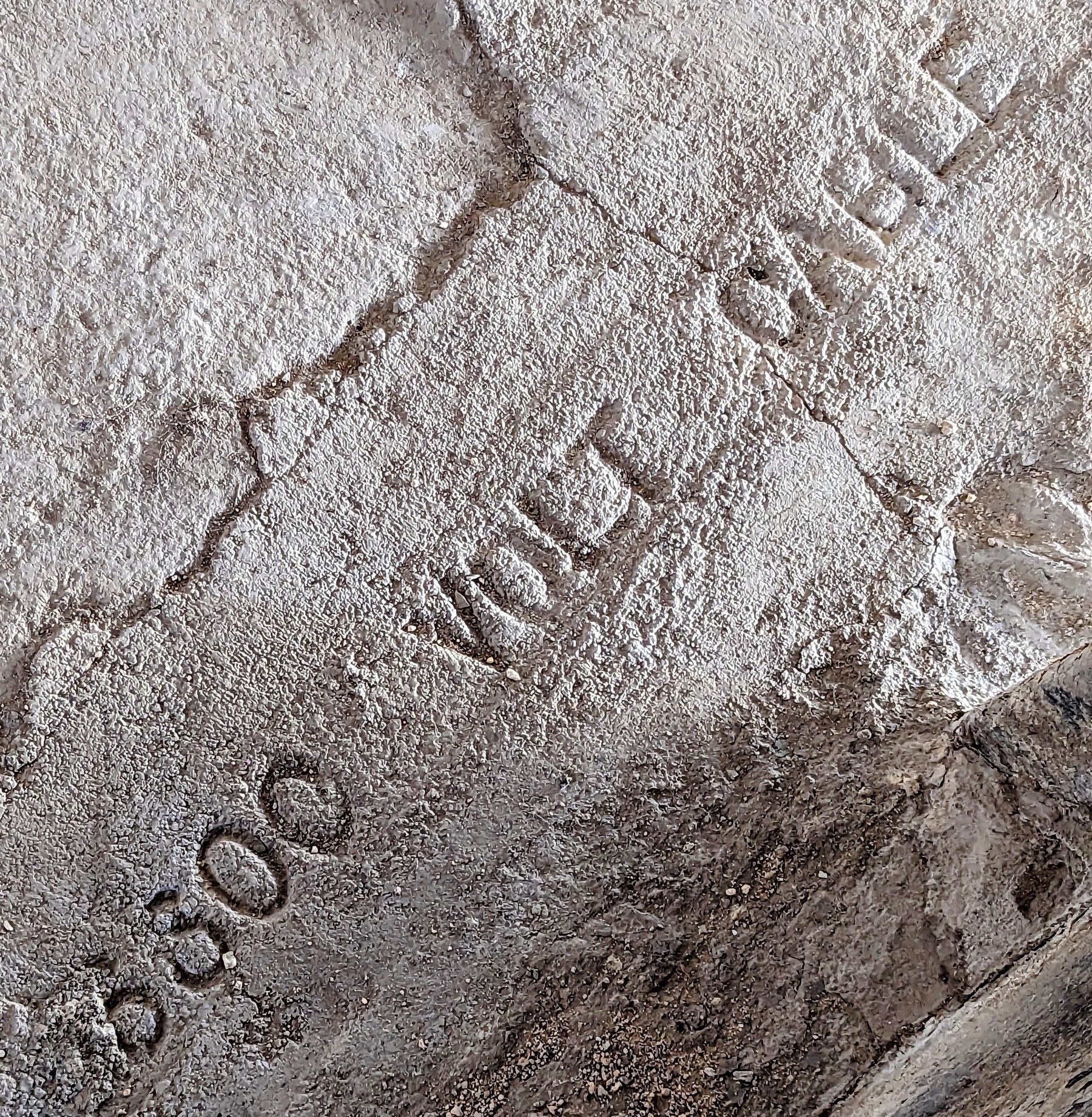
📷 Day 16: oof! #mbsept
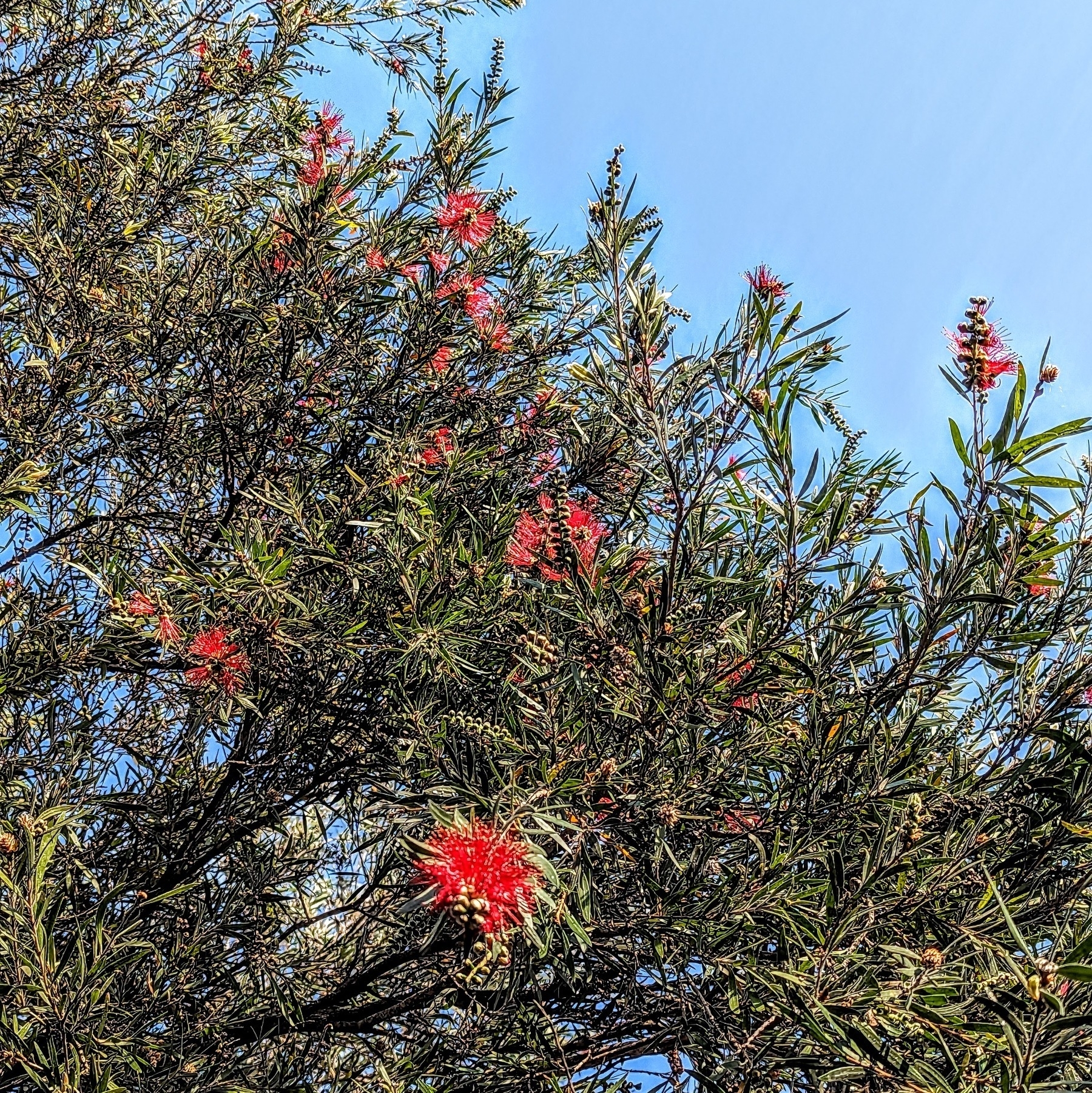
📷 Day 15: red #mbsept
The bottlebrush trees at the front of our house are just coming into bloom.
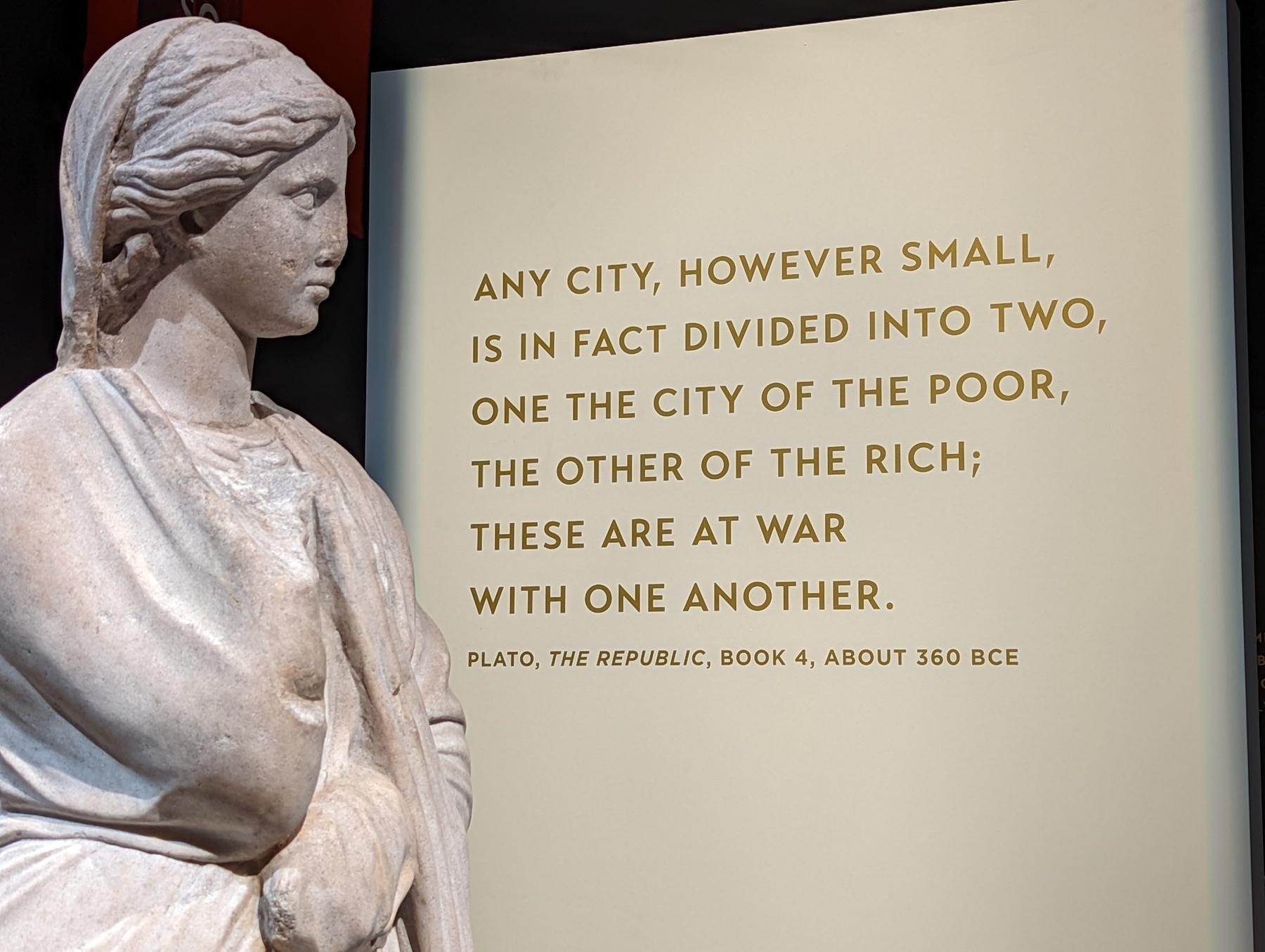
📷 Day 14| statue #mbsept
Food for thought.
As 9/11 is commemorated again it’s worth reflecting on why some people are wary of US foreign policy. This 9/11 is also the 50th anniversary of the Nixon/Kissinger coup in Chile.
If you think human rights is all ’liberal crap’, as Nixon did, that right there is why we remain wary.
“¡Nunca más!” 💬
📷 Day 13| glowing #mbsept
Sydney Airport at dusk.

📷 Day 12 | panic #mbsept

📷 Day 11 | retrospect #mbsept
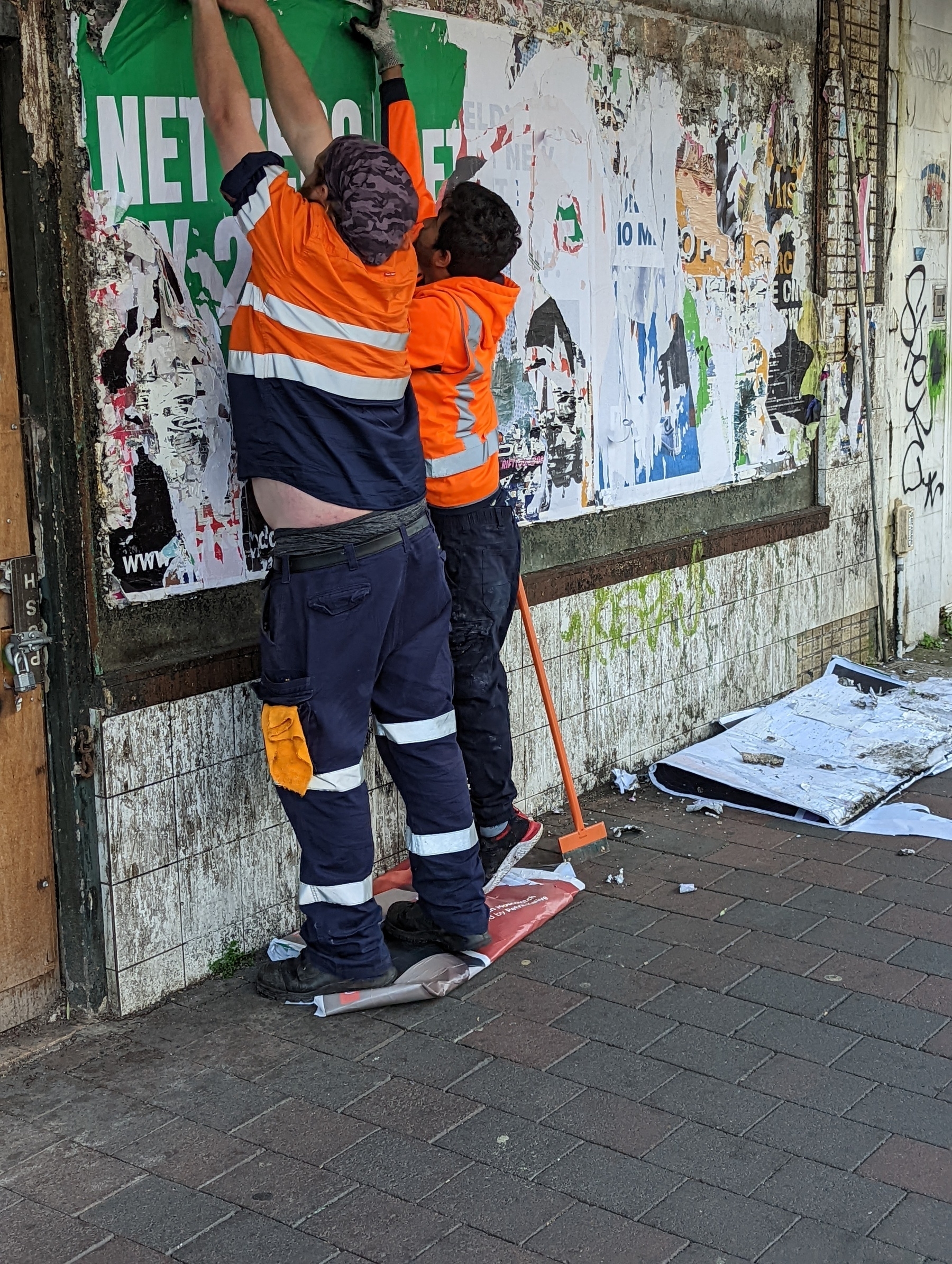
📷 Day 10 | cycle #mbsept
I’d like to put an end to these signs. Bike paths should go on forever! 🚲

A note on the craft of note-writing
An fairly new article from Brazil caught my eye, on note-writing as an intellectual craft. It highlights the German sociologist Niklas Luhmann’s note-making process (he put his many linked notes in a Zettelkasten - an index box).
Cruz, Robson Nascimento da Cruz, and Junio Rezende. “Note-writing as an intellectual craft: Niklas Luhmann and academic writing as a process.” Pro-Posições 34 (2023).
<doi.org/10.1590/1…>
https://www.scielo.br/j/pp/a/L7gmq6W7bvzgn984hSJ94
Abstract: "Despite numerous indications that academic writing is a means toward intellectual discovery and not just a representation of thought, in Brazil, it is seen more as a product of studies and subjects than an integral part of university education. This article presents note-taking, an apparently simple and supposedly archaic activity, as a way through which academic writing is eminently oriented towards constructing an authorial thought. To this end, we discuss recent findings in the historiography of writing that show note-taking as an essential practice in the development of modern intellectuality. We also present an emblematic case, in the 20th century, of the fruitful use of a note-taking system created by German sociologist Niklas Luhmann. Finally, we point out that the value of note-taking goes beyond mere historical curiosity, constituting an additional tool for a daily life in which satisfaction and a sense of intellectual development are at the center of academic life."